
What is the best diet to lower LDL cholesterol?
Introduction
If you are concerned about high cholesterol, especially elevated LDL (Low-Density Lipoprotein) cholesterol, making the right dietary changes can have a significant impact on your heart health. Research shows that following a proper diet to lower LDL cholesterol can reduce LDL levels by up to 30% in some individuals. While genetics play a role, food choices remain one of the most effective ways to improve cholesterol levels naturally.
This guide explores nine scientifically proven dietary and lifestyle strategies that can help lower LDL cholesterol and reduce cardiovascular disease risk.
Understanding Different Types of Dietary Fats
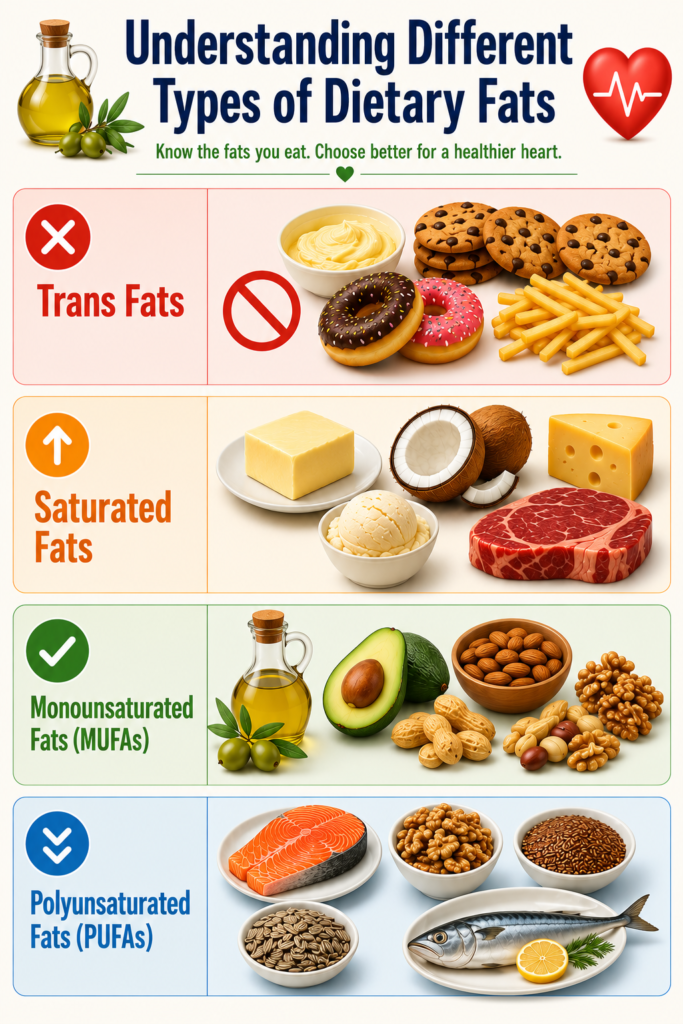
Before discussing specific strategies, it is important to understand how different dietary fats affect cholesterol levels.
Trans Fats
Trans fats were previously common in hydrogenated oils and processed foods. Due to their harmful effects on heart health, they have been banned or heavily restricted in many countries. Trans fats significantly increase LDL cholesterol while lowering beneficial HDL cholesterol.
Saturated Fats
Saturated fats are found in foods such as butter, coconut oil, full-fat dairy products, ice cream, and fatty cuts of meat. Excessive intake of saturated fat is strongly associated with increased LDL cholesterol levels.
Monounsaturated Fats (MUFAs)
Monounsaturated fats are heart-healthy fats found in olive oil, avocados, almonds, peanuts, and various nuts. Replacing saturated fats with MUFAs can help improve cholesterol levels.
Polyunsaturated Fats (PUFAs)
Polyunsaturated fats include omega-3 and omega-6 fatty acids. Excellent sources include salmon, walnuts, flaxseeds, sunflower seeds, and other fatty fish. Among all fat replacements, PUFAs have the strongest cholesterol-lowering effect.
1. Replace Saturated Fats with Healthier Fats
One of the most effective dietary changes for lowering LDL cholesterol is reducing saturated fat intake and replacing it with healthier fats.
Research suggests that replacing approximately 100 calories of saturated fat can lower LDL cholesterol by 6.5 to 10.5 mg/dL, depending on the replacement food. Polyunsaturated fats provide the greatest benefit, while monounsaturated fats and healthy carbohydrates also contribute positively.
Instead of butter, choose olive oil. Replace processed snacks with walnuts, almonds, sunflower seeds, or flaxseeds. These simple substitutions can significantly improve cholesterol levels over time.
Replacing saturated fats with healthier fats can help lower LDL (bad) cholesterol and support heart health. Good sources of healthy fats include olive oil, avocados, almonds, walnuts, pistachios, peanuts, flaxseeds, chia seeds, sunflower seeds, pumpkin seeds, soy foods, and fatty fish such as salmon and sardines.
Simple swaps—such as using olive oil instead of butter or choosing nuts and seeds instead of processed snacks—can improve cholesterol levels and promote long-term cardiovascular health.
Hidden Sources of Saturated Fat
Many people focus only on fatty meats and dairy products. However, sugary beverages, desserts, pastries, and processed snacks often contain surprisingly high amounts of saturated fat.
Large coffee beverages, specialty drinks, and processed desserts may contain saturated fat levels comparable to multiple slices of bacon. Coconut oil, often marketed as a health food, actually contains more saturated fat than butter gram for gram.
2. Use Filtered Coffee Instead of Unfiltered Coffee
Coffee naturally contains compounds called cafestol and kahweol, which can interfere with the liver’s ability to remove LDL cholesterol from the bloodstream.
The highest amounts are found in:
- Turkish coffee
- Boiled coffee
- French press coffee
- Espresso
Using a paper filter removes much of these compounds. Studies have shown that switching to paper-filtered coffee may lower LDL cholesterol by approximately 15 mg/dL.
For coffee lovers, this small adjustment can provide meaningful benefits without giving up coffee entirely.
3. Monitor Dietary Cholesterol Intake
Dietary cholesterol is found in foods such as egg yolks, shellfish, and organ meats. However, its impact varies greatly among individuals.
Some people absorb almost no dietary cholesterol, while others absorb up to 90%. Because of this genetic variability, cholesterol-rich foods affect LDL levels differently from person to person.
Studies indicate that eating one egg daily may increase LDL cholesterol by approximately 5 mg/dL on average. While this increase is relatively small, individuals with elevated LDL cholesterol may benefit from limiting dietary cholesterol intake.
The key point is that foods free from cholesterol are not automatically healthy. Saturated fat content generally has a greater impact on LDL cholesterol than dietary cholesterol itself.
How to Keep Track of Dietary Cholesterol ?
Managing dietary cholesterol begins with understanding where it comes from and monitoring your eating habits consistently.
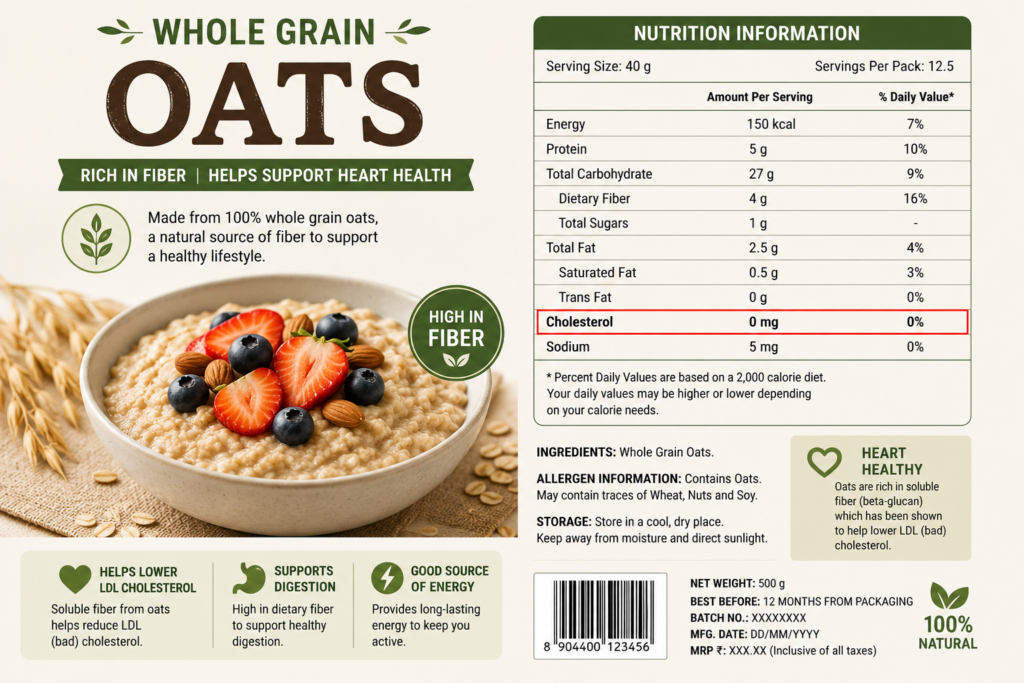
- Check Food Labels Carefully
Nutrition labels often provide the amount of cholesterol contained in each serving. Reviewing this information can help you make informed choices, particularly if you are trying to improve your cholesterol levels.
- Know the Main Food Sources
Foods that typically contain higher amounts of cholesterol include egg yolks, organ meats such as liver and kidney, shellfish, full-fat dairy products, and processed meat products. Being aware of these foods can help you balance your intake.
- Track Your Daily Intake
Nutrition-tracking tools and mobile applications can simplify the process of recording meals and estimating daily cholesterol consumption. Consistent tracking can reveal patterns and areas for improvement.
- Monitor Your Cholesterol Levels
Food tracking should be supported by periodic blood testing. A complete lipid profile measures total cholesterol, LDL cholesterol, HDL cholesterol, and triglycerides. Regular testing, as recommended by a healthcare professional, provides valuable insight into how your body responds to dietary choices and helps guide future nutrition decisions.
.
4. Increase Soluble Fiber Intake
Soluble fiber is one of the most powerful tools in a diet to lower LDL cholesterol.
How Soluble Fiber Works
The liver removes LDL cholesterol from the bloodstream and releases it into the digestive tract through bile. Normally, a portion of this cholesterol is reabsorbed.
Soluble fiber forms a gel-like substance that traps cholesterol and carries it out of the body through stool, reducing cholesterol absorption.
Best Sources of Soluble Fiber
- Oats
- Barley
- Lentils
- Beans
- Chia seeds
- Psyllium husk
- Apples
- Citrus fruits
- Vegetables
Research suggests that each gram of soluble fiber may reduce LDL cholesterol by approximately 2 mg/dL.
Psyllium Supplementation
Psyllium fiber supplements can significantly increase soluble fiber intake. Taking approximately one tablespoon twice daily has been shown to lower LDL cholesterol by about 13 mg/dL.
5. Consider Plant Sterols and Stanols
Plant sterols and stanols are natural compounds found in plants that resemble cholesterol structurally.
They compete with cholesterol for absorption in the intestines, reducing the amount of cholesterol entering the bloodstream.
A daily intake of about 2 grams may lower LDL cholesterol by 5–10%.
Natural sources include:
- Nuts
- Seeds
Vegetable oils
- Whole grains
However, achieving therapeutic amounts through food alone is difficult, which is why many products are fortified with sterols and stanols.
6. Replace Animal Protein with Plant Protein
Replacing animal-based proteins with plant-based proteins can help lower LDL cholesterol while providing additional health benefits.
Excellent plant protein sources include:
- Beans
- Lentils
- Chickpeas
- Soy products
- Nuts
- Seeds
Research involving more than 100 clinical trials found that replacing animal protein with plant protein lowered LDL cholesterol by approximately 6 mg/dL.
Plant proteins are naturally free from cholesterol and generally lower in saturated fat while providing fiber, phytosterols, and healthy fats.
7. Exercise Regularly
Although exercise may not lower LDL cholesterol as dramatically as dietary changes, it remains essential for cardiovascular health.
Research suggests:
- Aerobic exercise performed four times weekly may lower LDL by 5–6 mg/dL.
- Combining aerobic exercise with resistance training may reduce LDL by up to 11 mg/dL.
Exercise also improves blood pressure, insulin sensitivity, weight management, and overall heart health.
8. Achieve Sustainable Weight Loss
For individuals who are overweight or obese, weight loss can significantly improve cholesterol levels.
Studies show that maintaining weight loss for at least 12 months can lower LDL cholesterol by approximately 1.3 mg/dL per kilogram of body weight lost.
Even modest weight reduction can improve cholesterol profiles and decrease cardiovascular risk.
9. Include Probiotic-Rich Foods
Emerging research suggests that probiotics may help reduce LDL cholesterol.
Some studies have reported reductions of approximately 8 mg/dL after regular probiotic consumption.
Healthy probiotic-rich foods include:
- Yogurt
- Kefir
- Kimchi
- Sauerkraut
- Miso
While more research is needed, incorporating these foods can support digestive and overall health.
Best Eating Patterns for Lowering LDL Cholesterol
When following a diet to lower LDL cholesterol, focusing on an overall healthy eating pattern is often more effective than obsessing over individual nutrients. This approach makes it easier to maintain healthy habits long-term while naturally balancing your intake of healthy fats, fibre, and essential nutrients. Three diet to lower LDL cholesterol consistently recommended by health experts are the Mediterranean diet, DASH diet, and plant-based diet.
The Mediterranean diet is widely recognized for its heart-health benefits and its ability to lower LDL cholesterol levels. It emphasizes eating plenty of fruits, vegetables, whole grains, olive oil, nuts, seeds, and fish while limiting processed foods and saturated fats. Numerous studies have shown that this dietary pattern can reduce LDL cholesterol and significantly lower the risk of cardiovascular disease.
Another effective eating pattern is the DASH (Dietary Approaches to Stop Hypertension) diet. Although originally developed to help control blood pressure, the DASH diet also supports healthy cholesterol levels. It focuses on vegetables, fruits, whole grains, lean proteins, and low-fat dairy products while limiting foods high in sodium, saturated fat, and added sugars. This balanced approach promotes overall heart health and helps manage cholesterol naturally.
Plant-based diets are also highly beneficial for lowering LDL cholesterol. These diets emphasize vegetables, fruits, legumes, whole grains, nuts, and seeds while minimizing or eliminating animal products. Plant-based foods are naturally rich in soluble fiber, healthy fats, and phytosterols, all of which help reduce LDL cholesterol levels. Additionally, they tend to be lower in saturated fat, making them an excellent choice for cardiovascular health.
Supplements to Avoid for Cholesterol Reduction
While many supplements claim to lower cholesterol naturally, some may pose significant health risks. One example is red yeast rice. Although it can reduce LDL cholesterol, it contains compounds similar to prescription statin medications and may also contain harmful contaminants. Reports of severe kidney injury and hospitalization have raised concerns about its safety, making it a less reliable option than prescribed cholesterol-lowering medications.
Another supplement to approach with caution is green tea extract. Unlike drinking regular green tea, concentrated green tea extracts contain high levels of active compounds that have been linked to serious liver damage in some individuals. For this reason, green tea extract should not be used as a diet to lower LDL cholesterol supplement without medical supervision.