
What is best diet for high cholesterol ?
Maintaining healthy cholesterol levels is essential for protecting the heart and reducing the risk of cardiovascular disease. Many people focus only on laboratory numbers, but true cholesterol control involves a broader approach that includes nutrition, physical activity, sleep, stress management, and other lifestyle habits. While statins for high cholesterol are commonly prescribed and can be very effective, dietary and lifestyle changes remain a fundamental part of long-term heart health.
A growing body of research shows that the best diet for high cholesterol is one that emphasizes whole, minimally processed foods rich in fiber, healthy fats, plant protein, and antioxidants. This type of eating pattern can help lower LDL (“bad”) cholesterol, support HDL (“good”) cholesterol, reduce inflammation, and improve overall cardiovascular function.
A Heart-Healthy Eating Pattern Matters More Than One Superfood
There is no single food that can instantly fix high cholesterol. Instead, the overall dietary pattern has the greatest impact. One well-researched approach is the Portfolio Diet, a plant-focused eating plan that combines foods known to support healthy cholesterol levels. Studies suggest that consistently following this type of diet can lead to meaningful reductions in LDL cholesterol.
The goal is not only to improve cholesterol numbers but also to lower the long-term risk of heart attacks, stroke, and other cardiovascular complications. A balanced eating pattern rich in vegetables, fruits, legumes, whole grains, nuts, seeds, and soy foods provides nutrients that work together to support heart health.
Download the pdf about Portfolio Diet –Portfolio Diet Scroll editable
Whole Grains Help Lower Cholesterol Naturally
Refined grains such as white bread, white rice, and sugary cereals can contribute to poor metabolic health. Replacing them with whole grains is one of the simplest and most effective dietary changes for cholesterol control.
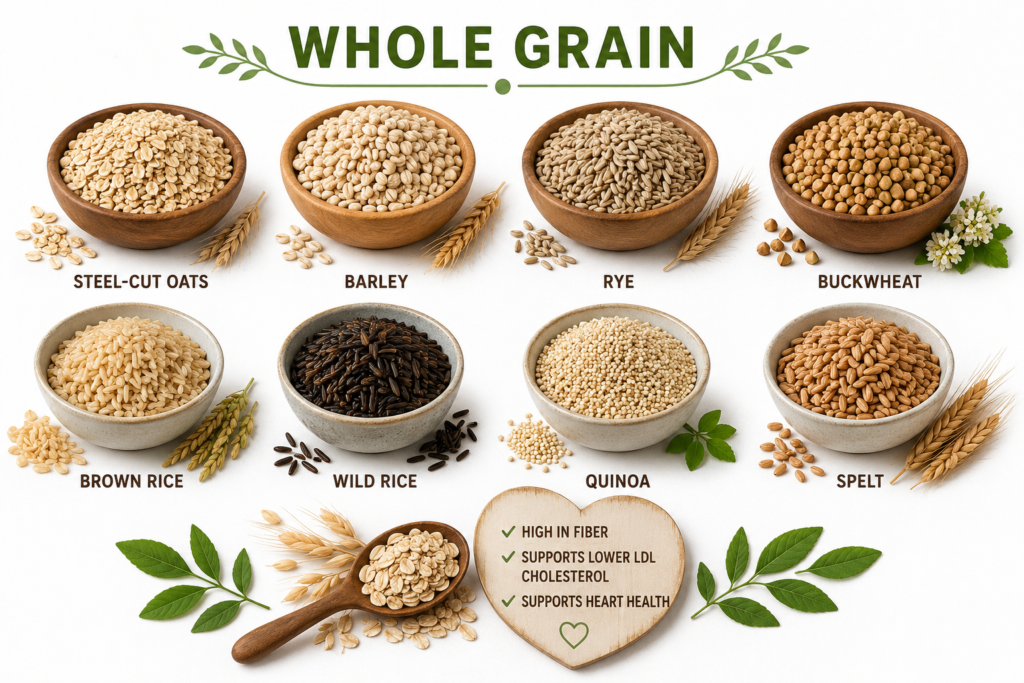
Whole grains retain the bran and germ, which contain fiber, vitamins, minerals, and beneficial plant compounds. Foods such as steel-cut oats, barley, rye, buckwheat, brown rice, wild rice, quinoa, and spelt are excellent choices.
Oats and barley are particularly valuable because they contain beta-glucan, a type of soluble fiber that helps reduce cholesterol absorption in the digestive system. Regular intake of whole grains can support lower LDL cholesterol and improve overall heart health.
Nuts and Seeds Support Healthy Cholesterol Levels
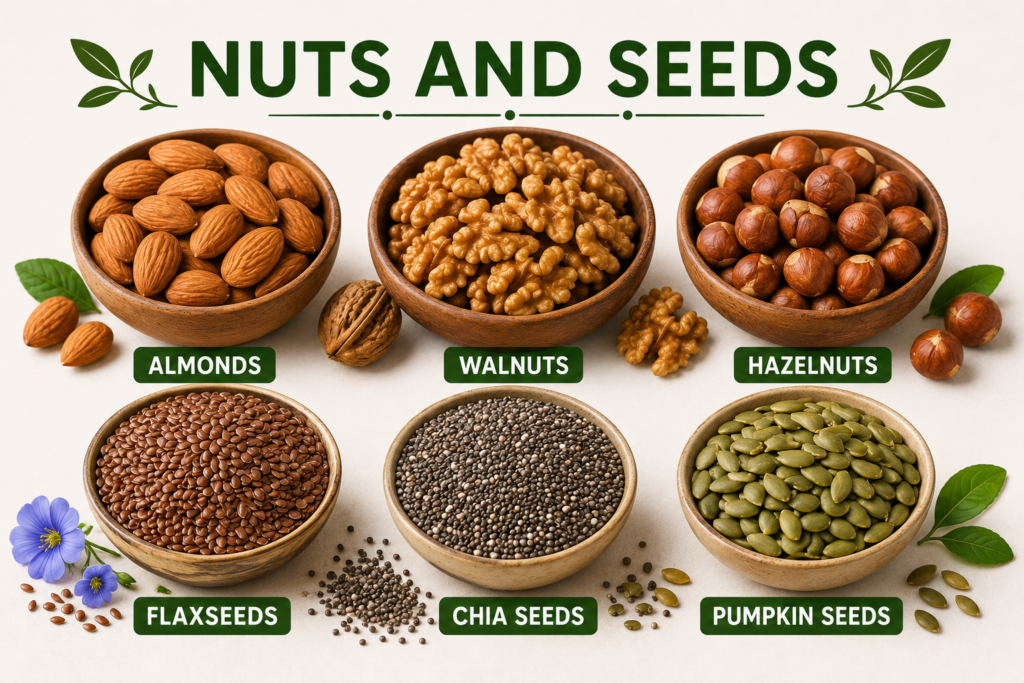
Nuts and seeds are packed with heart-friendly nutrients, including unsaturated fats, plant protein, fiber, vitamin E, magnesium, and antioxidants. Research consistently links regular nut consumption with improved cholesterol profiles and reduced cardiovascular risk.
Flaxseeds, almonds, hazelnuts, walnuts, and chia seeds are especially beneficial. Flaxseeds and chia seeds provide omega-3 fatty acids and soluble fiber, while almonds and hazelnuts contain monounsaturated fats that can help lower LDL cholesterol.
A practical target is about one small handful (around 30 grams) per day. Some people find that soaking nuts and seeds improves digestibility and texture, though this is optional.
Legumes
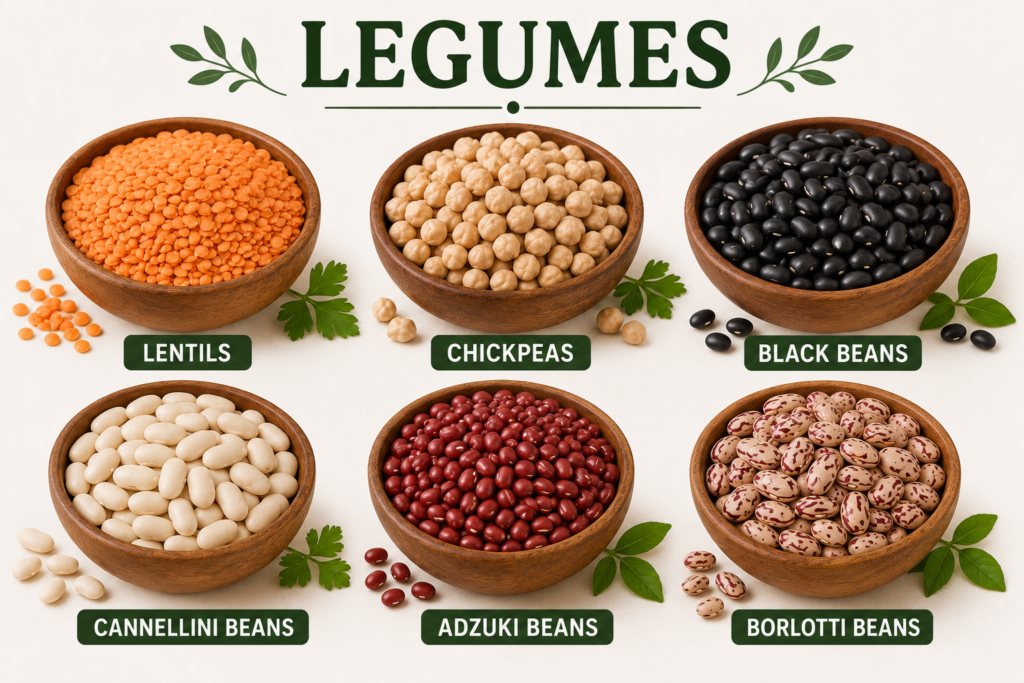
Legumes are nutritional powerhouses that deserve a regular place in the best diet for high cholesterol. Lentils, chickpeas, black beans, cannellini beans, adzuki beans, and borlotti beans are rich in fiber, plant protein, and beneficial phytochemicals.
The soluble fiber in legumes helps reduce cholesterol reabsorption in the intestine, while their fermentable fibers support healthy gut bacteria. A healthier gut microbiome may contribute to improved cholesterol metabolism and reduced inflammation.
Including roughly 130 grams of cooked legumes daily can provide measurable benefits for heart health and cholesterol management.
Soy Foods Can Improve Heart Health
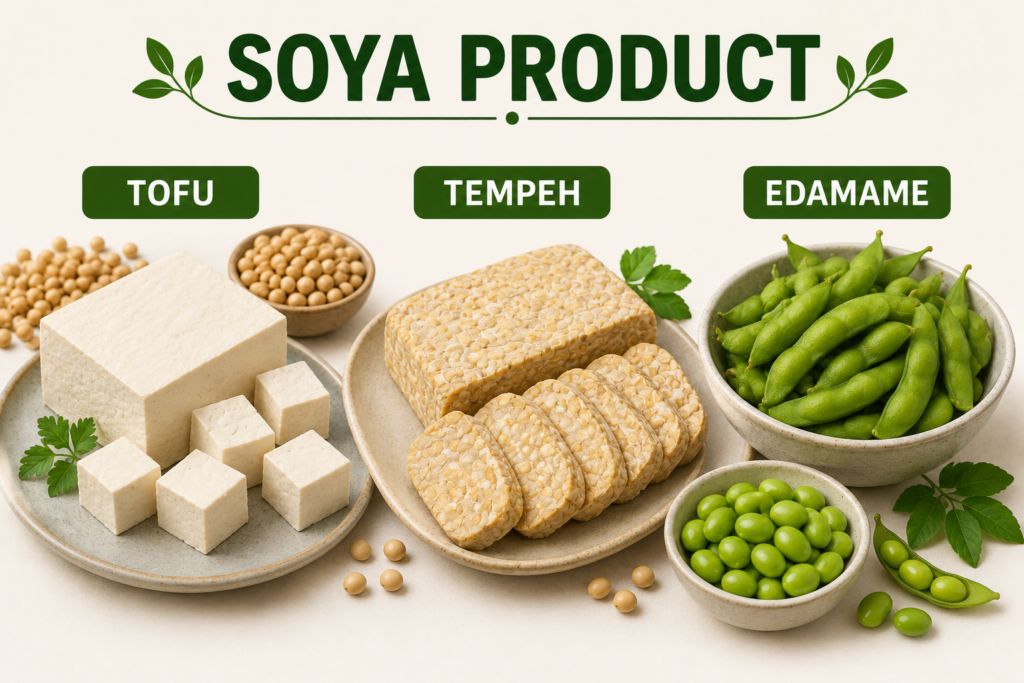
Soy-based foods are another valuable addition to a heart-healthy diet. Tofu, tempeh, and edamame provide high-quality protein, fiber, and naturally occurring compounds called isoflavones, which may support cardiovascular wellness.
Research indicates that regular soy protein intake can modestly reduce LDL cholesterol. Soy foods can also serve as nutritious alternatives to processed meats and other high-saturated-fat protein sources.
Fruits Rich in Fiber and Antioxidants Protect the Heart
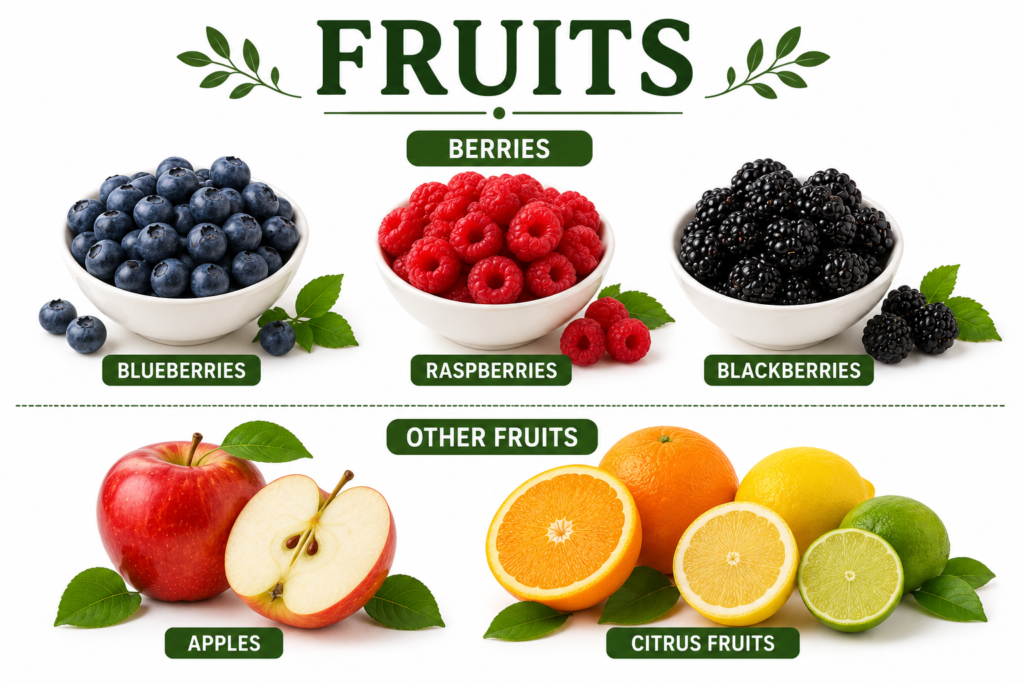
Colorful fruits supply antioxidants and plant compounds that help fight oxidative stress and inflammation. Berries such as blueberries, raspberries, and blackberries are rich in polyphenols, while apples and citrus fruits provide pectin, a type of soluble fiber linked to improved cholesterol levels.
Regular fruit consumption supports overall cardiovascular health, improves dietary quality, and can help reduce the risk of chronic disease.
Fiber Is Essential for Cholesterol Management
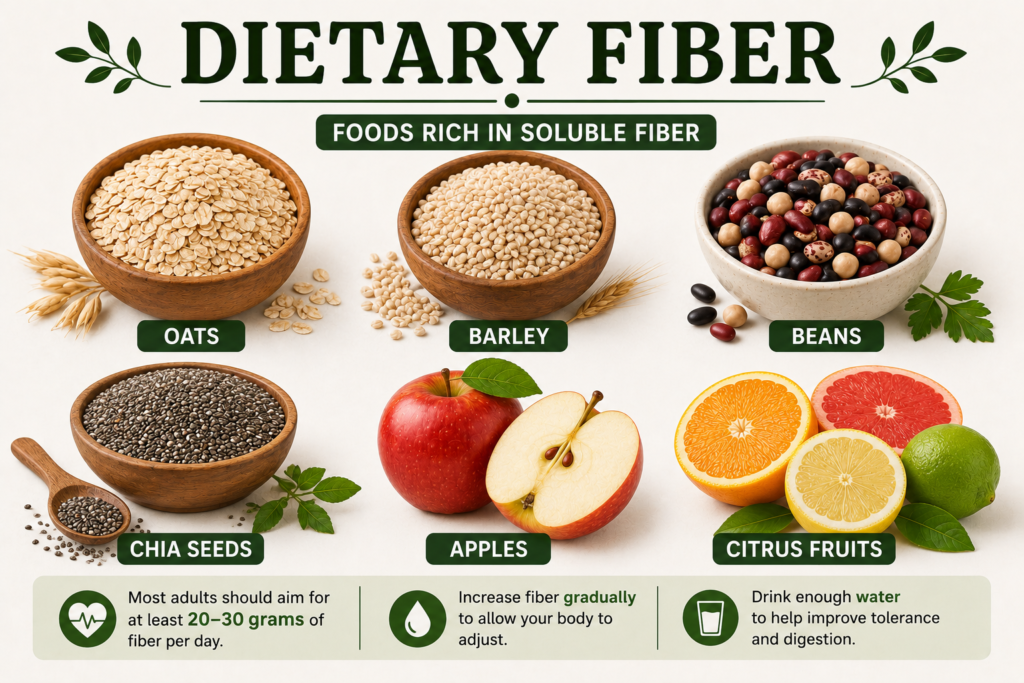
Dietary fiber plays a central role in cholesterol control. Soluble fiber binds cholesterol in the digestive tract and helps remove it from the body, while insoluble fiber supports digestive health and satiety.
Foods especially high in soluble fiber include oats, barley, beans, chia seeds, apples, and citrus fruits. Most adults should aim for at least 20–30 grams of fiber per day to support heart health.
Increasing fiber gradually and drinking enough water can help improve tolerance and digestion.
Choose More Plant-Based Proteins
Shifting some protein intake from animal sources to plant-based options can improve the overall quality of the diet. Lentils, beans, soy foods, nuts, and seeds provide protein without the higher saturated fat content found in many processed meats and fatty cuts of meat.
This does not mean everyone must become vegetarian, but incorporating more plant proteins can support healthier cholesterol levels and cardiovascular function.
Physical Activity Complements the Best Diet for High Cholesterol
Nutrition works best when combined with regular movement. Exercise can raise HDL cholesterol, improve blood vessel function, help manage weight, and reduce cardiovascular risk factors.
Aim for about 30 minutes of moderate-intensity activity on most days of the week. Brisk walking, cycling, swimming, dancing, and other enjoyable activities are all effective options.
Simple Meal Ideas for Better Cholesterol Control
A heart-healthy eating pattern can be practical and satisfying.
Breakfast
Start the day with overnight oats made from whole oats, berries, chia seeds, flaxseeds, and a small handful of nuts. This combination provides soluble fiber, antioxidants, and healthy fats.
Lunch
A balanced lunch could include leafy greens, chickpeas or lentils, quinoa or brown rice, colorful vegetables, and a protein source such as tofu, tempeh, fish, or eggs.
Dinner
Dinner may center around vegetables, whole grains, legumes, herbs, spices, and lean or plant-based proteins. Meals such as lentil curry with brown rice, vegetable stir-fry with tofu, or barley soup with beans are nourishing and heart-friendly.
What is the role of Statins for High Cholesterol ?
For some individuals, lifestyle changes alone may not be enough to achieve healthy cholesterol levels. In these cases, doctors may prescribe statins for high cholesterol. Statins work by reducing the liver’s production of cholesterol and can significantly lower LDL levels and cardiovascular risk.
However, medication is often most effective when combined with healthy habits. Even if you are taking statins, following the best diet for high cholesterol, staying active, and maintaining a healthy lifestyle remain important for long-term heart health.