
8 best pain killers for muscle pain
Pain is one of the most common health complaints worldwide, and pain killers are often the first solution people turn to for quick pain relief. Whether it’s a headache, joint discomfort, fever, or muscle pain relief, medications like Ibuprofen, Acetaminophen, Naproxen, and Aspirin are widely used.
In addition to oral medications, topical pain relief options—such as gels and creams—are becoming increasingly popular for targeted treatment.
But an important question remains:
What is the best pain reliever for muscle pain, and how do these options differ?
The most commonly used medications include ibuprofen, naproxen, acetaminophen (paracetamol), aspirin, and natural compounds like turmeric (curcumin). Each works differently in the body and is suited for specific types of pain.
This research-based guide will help you understand how these medications work, their benefits and risks, what the pain scale is, and how to choose the best pain reliever for muscle pain or other conditions.

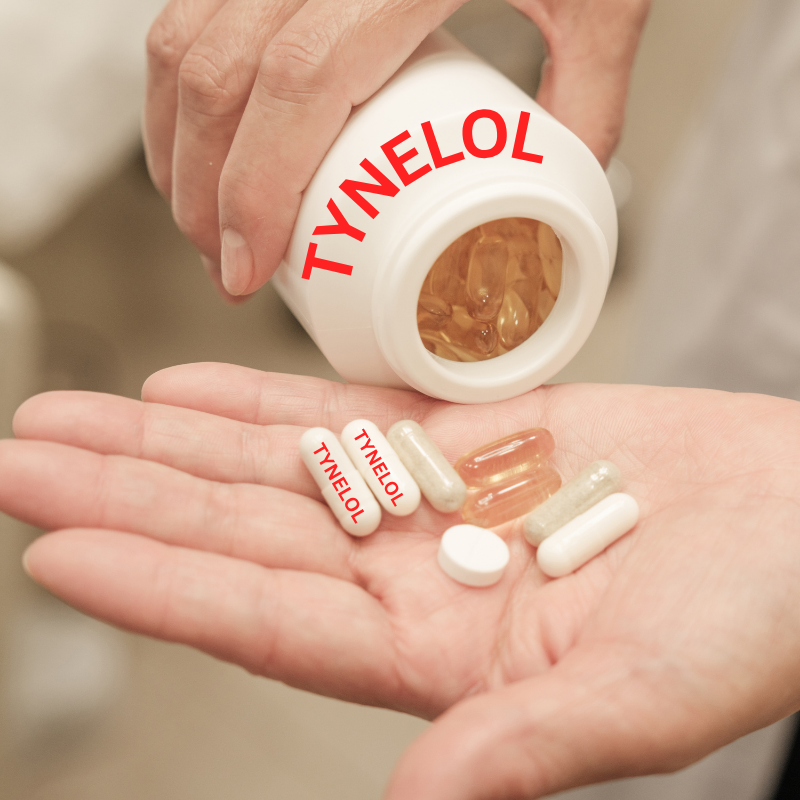
Acetaminophen (Tylenol)
Pain Relief Without Inflammation Control. Acetaminophen works differently from other options—it relieves pain and reduces fever but does not reduce inflammation. This is the safest option among all NSAIDs and the most fast acting pain killers.
Risks To take Considerations
- High doses can cause serious liver damage
- Easy to overdose if not careful
- Must follow strict daily limits
- Take 1-2 capsule in a gap of 4-7 hours.
Must consult if you want to increase dose of medication.
Best Use
- Headaches and fever
- For any kind of dental pain
- Knee pain
- In any child fever you can give this
- When Pain is their without any external or internal swelling .
- Safer option for those with stomach sensitivity
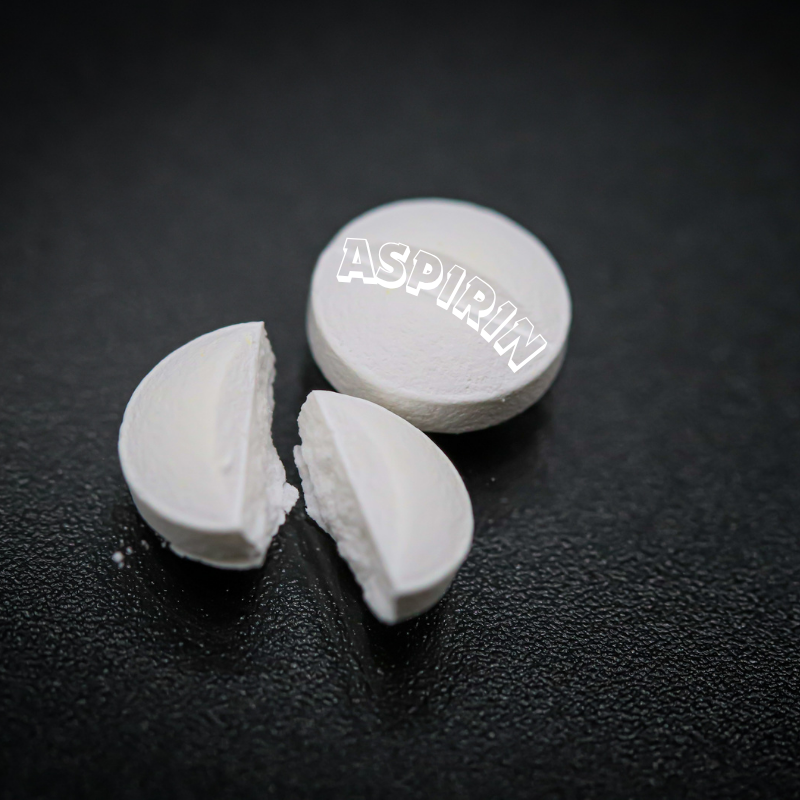
Aspirin: A Classic Pain Killers with Specific Uses
Aspirin has been used for centuries and remains one of the most recognised pain killers. It reduces inflammation, fever, and pain by blocking enzymes responsible for inflammatory responses. Aspirin is widely used in heart disease mainly because it helps prevent blood clots, which are a major cause of heart attacks and strokes.
Risk to take into consideration
- It can increase the risk of bleeding because of its blood-thinning properties
- It may irritate the stomach lining
- It leads to discomfort or ulcers with prolonged use.
Additionally, it is not considered safe for children, as it has been linked to a rare but serious condition known as Reye’s syndrome. Despite these risks, aspirin can be beneficial for adults who need anti-inflammatory pain relief. It is also sometimes recommended for certain heart-related conditions, but only under the guidance and supervision of a healthcare professional.
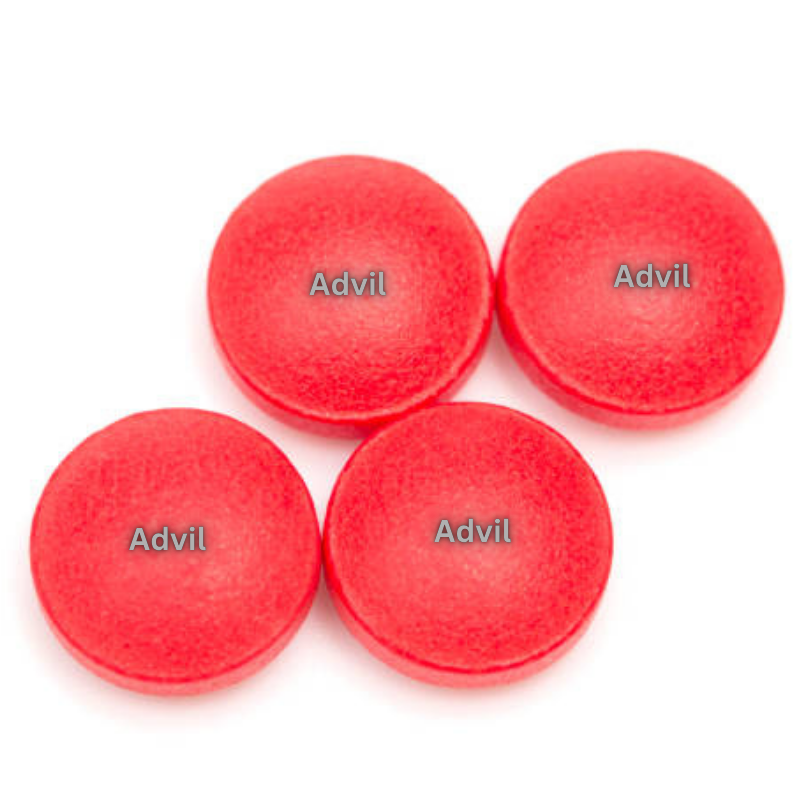
Ibuprofen( Advil and Motrin)
Ibuprofen is one of the most commonly used pain killers, especially for inflammation-related pain. It blocks inflammatory chemicals, making it highly effective for muscle pain relief and swelling. The most commonly used medications are Advil and Motrin. Both contain ibuprofen, a nonsteroidal anti-inflammatory drug (NSAID).
Risk To Take into Consideration
- May cause stomach irritation (best taken with food)
- Long-term use can affect the kidneys
- Be cautious and consult your physician if you are on blood pressure and diabetic medication.
- If you want to take then 1-2 tablets in a gap of 4-7 hours.
Best Use
- Sprains, strains, and workout-related soreness
- Best for gym trainers, athletes.
- Headaches(migran) and general pain relief
- Toothaches
- Muscle aches
- Menstrual cramps
- Fever
- Minor arthritis pain
Naproxen (Aleve): Long-Lasting Pain killers
Naproxen, commonly known as Aleve, provides extended pain relief compared to ibuprofen. It reduces inflammation over a longer period, making it suitable for ongoing discomfort. The effect of this pain killers is longer up to 12 hours so you need to take fewer doses throughout the day.
Risks to take Considerations
- Higher chance of stomach irritation
- Similar risks as other NSAIDs (kidney, heart concerns)
- Should always be taken with meals
Best Use
- Persistent muscle or joint pain
- It helps if you want prolonged pain relief
- Effective for chronic muscle pain relief
- Best in soft tissue injury

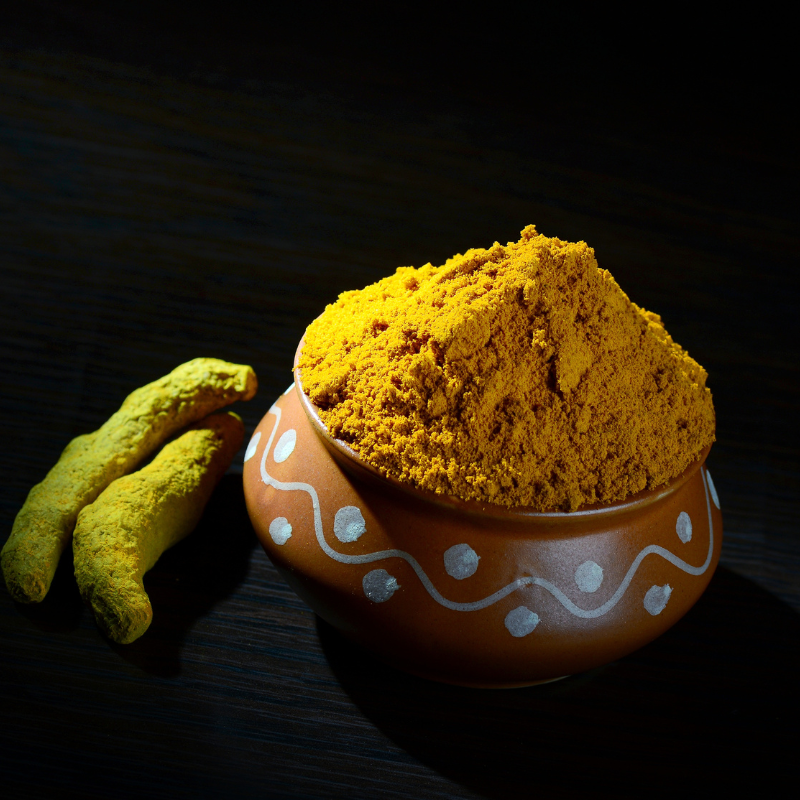
Turmeric (Curcumin): Natural Anti-Inflammatory
Turmeric is a natural spice known for its active compound, curcumin, which has anti-inflammatory properties. It works as a natural alternative to traditional medications. Popular for long-term use in conditions like osteoarthritis. May help with inflammation and joint pain.
Risks To take Considerations
- Can still increase bleeding risk
- May cause stomach issues in higher doses
- Needs proper formulation (with piperine or special coating) for better absorption
- Supplements should be from reputable sources
Best Use
- Long-term inflammation management
- Natural supplement approach (with medical guidance)
When we think of turmeric we think about the one most used in kitchen but that turmeric has very less anti – inflammatory factor . So here the turmeric is the most Raw form of turmeric, which is cut and if eaten after boiling in normal water works best as an natural anti – inflammatory.
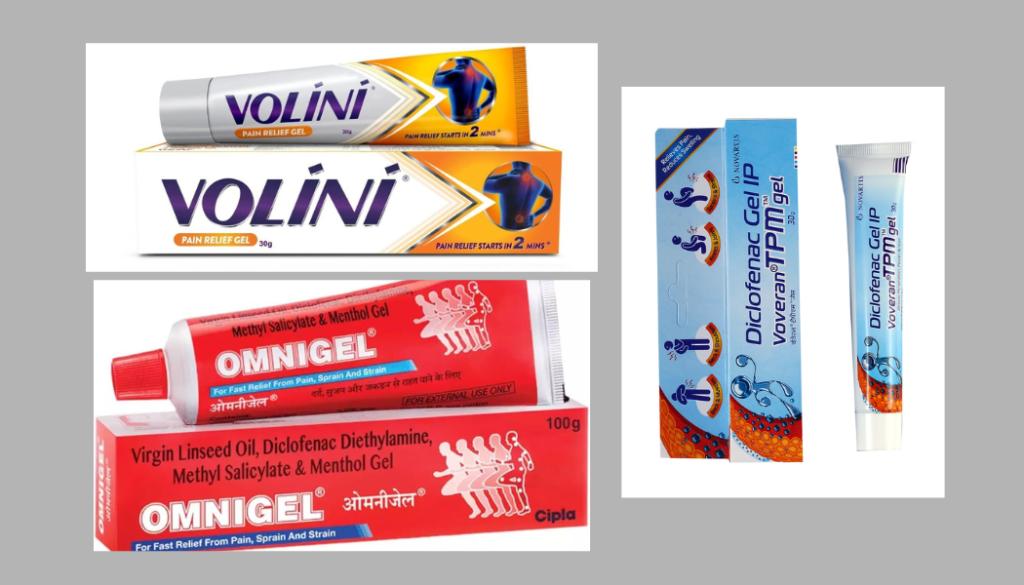
Topical pain relief
Some of the best topical cream or gel you can use are as follows :
Voltaren Emulgel 50g
It is Best for:
- Arthritis pain
- Knee pain
- Back pain
- Tendonitis and sprains
Volini Gel Fast Relief Pain
It is Good for:
- Gym soreness
- Neck stiffness
- Shoulder pain
- Daily muscle aches
Cipla Omnigel Pain Relief Gel
Combination gel useful for sprains, strains, and muscular inflammation with fast cooling relief.
Combining Medications
In some cases, combining medications can improve pain relief. For example:
- Ibuprofen + acetaminophen can provide stronger relief when used correctly
However:
- Combining multiple anti-inflammatories (like ibuprofen + naproxen + aspirin) is risky
- Overuse can lead to serious side effects
Always consult a healthcare professional before combining medications.