
Normal Diet Plan
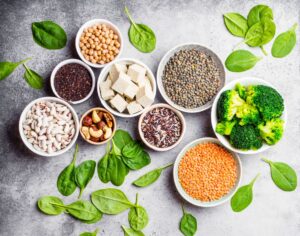
Normal diet plan is modified to feed young children, elderly members and sick members of family. The diet plan whether normal, soft or liquid has the same basic objective—to maintain, or restore good health of person through a proper diet. Normal Diet forms basis of all modifications of diets for age and sickness; but due attention must be paid to nutritional needs of individual. Normal diet is planned according to recommended daily dietary intakes, which are designed to meet the needs of all healthy persons and may not meet needs of sick persons.
Modifications of Normal Diet Plan:
The normal diet may be modified to Plan:
- Provide changes in consistency, e.g., soft and fluid diets;
- Provide foods bland in flavour;
- Modify intervals of feeding
- Increase or decrease energy content;
- Increase or decrease other nutrients, e.g., protein;
- Increase or decrease fibre.
Liquid and Soft Diets plan
Mechanical Soft Diet: Many people, including infants, need soft diet because they have no teeth. Therefore, the only change made is in consistency of the foods served. No restriction is
placed on food selection. This diet is sometime described as mechanically soft diet.
The following changes in normal diet will meet needs of individuals without teeth
- Rice and other cereal to be served soft-cooked
- Chapati/roti/bread—soft bread are substituted for hard, crusty preparations
- Dal and whole pulse must be cooked thoroughly
- Eggs—boiled or scrambled
- Meat/fish should be ground or minced finely.
- Cooked vegetables may be used.
- Most raw vegetables are omitted, except tomatoes, finely chopped cucumber, lettuce,
coriander, and mint (pudina). Chutney may be acceptable. - Raw fruits, which are juicy and soft can be includes—banana, mango (non-fibrous varieties), oranges, musambi, grape fruit, soft berries, jack fruit (soft variety), all melons, grapes, with
soft skins, peaches, soft pear, apricots, plums (minus skins), etc. - Apples may be served after cooking or baking.
- Tough skins, stones, fibres should be removed from fruits and vegetables, e.g., apple skin,
potato skin, etc. - Nuts and dried fruits need to be finely ground, when used
Soft Diet plan :
The soft diet plan includes:
- Soft cooked rice, soft chapati and bread—6 servings or more
- Milk, dahi (curd), buttermilk, soft cheese, paneer,—2-3 servings
- Dals, well-cooked—2-3 servings
- Eggs poached, trader ground meat, boiled, fish and poultry—2-3 servings
- Vegetables and fruits made up of
- Green leafy vegetables cooked and strained—2-3 servings
- Citrus fruits or mango or juice (non-fibrous varieties)—2-3 servings
- Other vegetables and fruits, not mentioned above, such as:
- Other vegetables—tender, chopped and cooked—2-3 servings
- Other fruits—banana or cooked fruits without skin or seed—2-3 servings
The following foods are avoided:
- Legumes (whole)
- Egg (fried)
- Meat, tough, salted, smoked fish or meat.
- Vegetables and fruits raw, except those mentioned above; strongly flavoured one.
- Bread and cereals coarse, with bran, whole-grain preparations and fatty recipes.
- Soups—fatty or highly seasoned.
- Fats—fried foods, e.g., potato chips.
- Miscellaneous: hot spices, pickles, nuts, etc
Liquid Diets plan
Liquid Diets or full fluid diets are prepared for person suffering from fevers, persons who have just undergone an operation or whenever a person is unable to tolerate solid foods. The adequacy of such a diet will depend on types of liquids permitted.
Full fluid diet plan
Full fluid diet is served to person, who are very ill and cannot chew or swallow solid food. It includes all foods, which are liquid at 37°C. To avoid difficulty in swallowing, fibrous food and irritating spices are not included in this diet.
The following foods can be included in full fluid diet plan :
- Milk—1 litre
- Eggs—2 (in custard or in eggnog )
- Dal, well-cooked—25–50 g
- Meat/fish cooked and strained—25-50 g
- Cereal strained—1/2 cup (100 g) cooked as gruel
- Vegetables—1/4 cup cooked, strained or puree for soups
- Fruit juices—1 cup, citrus and other strained juice
- Tomato or vegetable juices—1/2 cup
- Butter
- Sugar
- Kheer, ice cream, gelatin dessert, custard
- Soups—broth
- Tea, coffee, soft
- Flavourings, salt.
Clear fluid diet plan
Clear fluid diet is given when person is unable to tolerate food, due to nausea, vomiting, gas formation, diarrhoea, or extreme lack of appetite. This diet is given for a day or two, until the patient is able to take a more liberal liquid diet . As the name indicates the diet consists of clear liquids such as tea with lemon and sugar, coffee, cereal extracts (extract of puffed cereals also), strained fruit juices, carbonated beverages, dal extract, fat-free broth, etc. The amount is restricted to 30 to 60 ml per hour in beginning and gradually increased. This diet replaces fluids lost by body, thus preventing dehydration.