
Epilepsy
Table of Contents
What is Epilepsy ?
Epilepsy is the tendency to have unprovoked seizures. A seizure can be defined as occurrence of signs and/or symptoms due to abnormal, excessive or synchronous neuronal activity in the brain.
What are the Cause of Epilepsy ?
The major cause in Adolescence to adulthood age group for epilepsy are
• Juvenile absence epilepsy (JAE)
• Juvenile myoclonic epilepsy (JME)
• Epilepsy with generalized tonic–clonic seizures alone
• Progressive myoclonus epilepsies (PMEs)
• Autosomal dominant epilepsy with auditory features (ADEAF)
• Other familial temporal lobe epilepsies
There are Epilepsies patient who have history of metabolic disease occurring due to organism , structural malformations etc. , such as ,
• Malformations of cortical development (hemimegaloencephaly,
heterotopias etc.)
• Neurocutaneous syndromes (tuberous sclerosis complex,
Sturge–Weber etc.)
• Tumor
• Infection
• Trauma
• Angioma
• Perinatal insults
• Stroke etc.
These epileptic seizures conditions does not need long-term treatment such as :
• Benign neonatal seizures (BNS)
• Febrile seizures
What are sign and symptoms of Epilepsy ?
- Sensitivity to sleep deprivation, hyperventilation, alcohol and photic stimulation
- Patients can experience more than one type of seizure attack.
How to Diagnose?
Epilepsy treatment option ?
Immediate care
If you see any epileptic patient with recurrent seizure episodes then immediately call for ambulance.
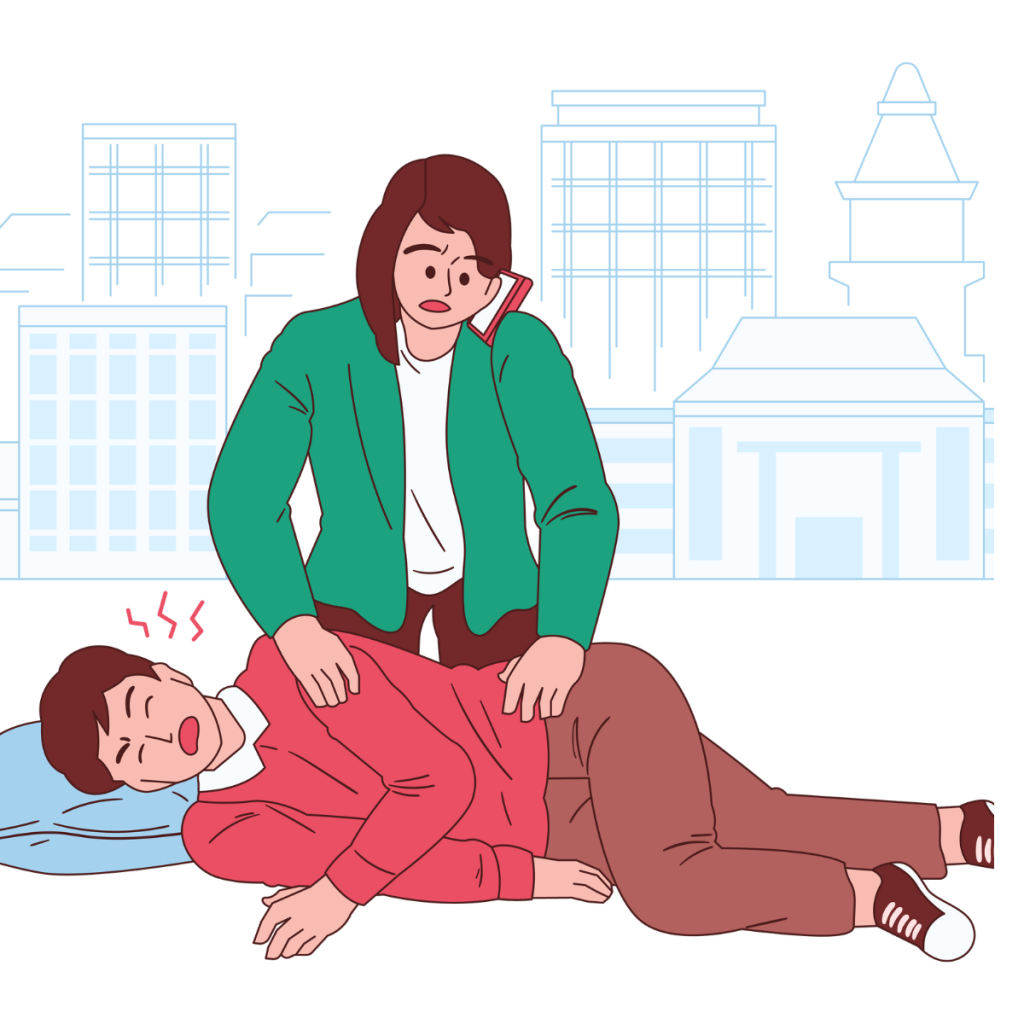
The Initial phase when the epileptic patient arrive in hospital :
- Ensure airway is patent; give oxygen to the prevent cerebral hypoxia
- Check pulse, blood pressure (BP), BM Stix and respiratory rate
- Secure intravenous access
- Send blood for: Glucose, urea and electrolyte, calcium and magnesium, liver
function, antiepileptic drug levels ,Full blood count and coagulation screen
Storing a sample for future analysis (e.g. drug misuse) - If seizures continue for > 5 mins: give midazolam 10 mg buccally
or nasally or lorazepam 4 mg IV if access available or diazepam
10 mg rectally or IV if necessary; repeat once only after 15 mins - Correct any metabolic trigger, e.g. hypoglycemia
If the patient seizures continue after 30 mins then give,
- IV infusion (with cardiac monitoring) with one of: Phenytoin: 15 mg/kg at 50 mg/min
- Sodium valproate: 20–30 mg/kg IV at 40 mg/mi Phenobarbital: 10 mg/kg at 100 mg/min
- Cardiac monitor and pulse oximetry: Monitor neurological condition, blood pressure (BP), respiration; check blood gases
If seizures still continue after 30–60 mins then Transfer to intensive care and start treatment for refractory status with intubation, ventilation and general anesthesia using Propofol or thiopental EEG monitor.
The long-term antiepileptic medication with one of:
- Sodium valproate 10mg/kg IV over 3–5 min, then 800–
2000 mg/day - Phenytoin: give loading dose (if not already used as above) of 15mg/kg, infuse at < 50 mg/min, then 300 mg/day
- Carbamazepine 400mg by nasogastric tube, then 400–
1200 mg/day
We as physiobia community does not recommend any medication without the consultation of doctor . If any patient with epilepsy or similar symptoms take advise doctors before usage .
Lifestyle advice
- At home, only shallow bath (or showers) should be taken. Prolonged cycle journeys should be discouraged until reasonable freedom from the seizures has been achieved.
- Certain occupations, such as firefighter or airline pilot, are not open to those with a previous or active diagnosis of epilepsy; further information is available from epilepsy support organisations.
- . Activities involving prolonged proximity to water (swimming, fishing or boating) should always be carried out in the company of someone who is aware of the risks and the potential need for rescue measures.
Antiepileptic drugs
Antiepileptic drugs (AEDs) should be considered where risk of seizure recurrence is high. Unclassified or genetic generalized epilepsies respond best to valproate, although pregnancy-related problems mean that valproate should not be used in women of reproductive age unless the benefits outweigh the risks.
Monitoring therapy
Blood levels need to be interpreted carefully and dose changes made to treat the patient rather than to bring a serum level into the ‘therapeutic range’.
Epilepsy surgery
Some patients with drug-resistant epilepsy benefit from surgical resection of epileptogenic brain tissue. Less invasive treatments, including vagal nerve stimulation or deep brain stimulation, may also be helpful in some patient. All those who continue to
experience seizures despite appropriate drug treatment should be considered for surgical treatment.
Withdrawing antiepileptic therapy
Withdrawal of medication may be considered after patient has been seizure-free for more than 2 years. Childhood-onset epilepsy, particularly classical absence seizures, carries the best prognosis for successful drug withdrawal.
Pregnancy and reproduction
Seizures may become more frequent during pregnancy, particularly if pharmacokinetic changes decrease serum levels of AEDs. Menstrual irregularities and reduced fertility are more common in women with the epilepsy, and are also increased by sodium valproate. Patients with epilepsy are at greater risk of osteoporosis, apparently independently of the drug used. Some centers advocate vitamin D supplementation in any patient with epilepsy but the higher female risk of osteoporosis makes this most important in women.
Recent Post