Foot Drop: Understanding the Causes, Symptoms, and Recovery
Walking may seem effortless for most of us, but for someone with foot drop, every step can feel like a challenge. Foot drop happens when the muscles that lift the front part of the foot become weak or paralyzed. This makes it hard to raise the toes while walking, often causing the foot to drag or slap the ground. Over time, this not only affects mobility but also increases the risk of tripping and falling.
What Exactly is Foot Drop?
Unlike conditions that are diseases by themselves, foot drop is a symptom of another underlying problem. It can appear in one foot (unilateral) or, less commonly, in both feet (bilateral).
Unilateral foot drop is usually caused by a problem with peripheral nerves—commonly the L5 nerve root, the sciatic nerve, or branches of the peroneal nerve.
Bilateral foot drop, though rarer, often signals something more serious such as spinal cord damage, neuromuscular disorders, or widespread nerve disease. In these cases, seeing a neurologist quickly is critical.
Why Does Foot Drop Happen?
The leading culprit is compression of the common peroneal nerve around the knee, especially at the fibular head where the nerve sits just beneath the skin. Because it’s so exposed, even tight casts, braces, or prolonged leg-crossing can trigger nerve damage here.
But that’s not the only reason. Other causes include:
- L5 nerve root compression (radiculopathy)
- Polyneuropathy, often linked to diabetes or chronic illnesses
- Injuries to the sciatic nerve
- Lumbar plexus problems
- Inflammatory nerve disorders (mononeuritis multiplex)
- Muscle conditions like muscular dystrophy
- Stroke or brain ischemia
- Motor neuron diseases (e.g., ALS)
- Spinal cord compression or cauda equina syndrom
Each of these conditions interferes with how signals travel from the brain to the foot, leading to the characteristic weakness of dorsiflexion.
Spotting the Symptoms of Foot Drop
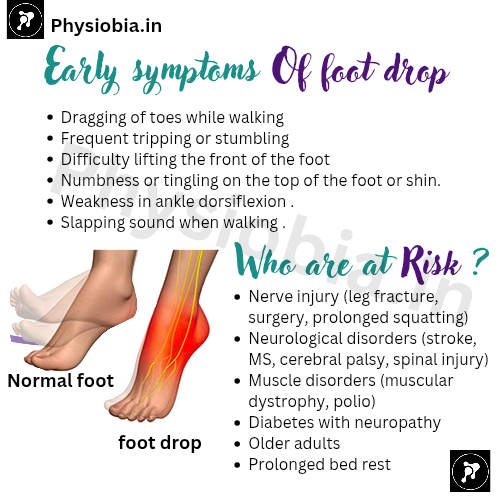
The most obvious clue is the way a person walks. To prevent their toes from dragging, people with foot drop often use a “high steppage gait”, lifting the knee higher than usual. This unusual walking style may be the first thing family or friends notice.
Other symptoms include:
- Foot slap – the front of the foot hits the ground suddenly when walking
- Toe drag – toes scrape the floor during each step
- Difficulty with stairs or uneven surfaces
- Wasting of shin muscles from disuse
- Numbness or tingling over the top of the foot and toes
- Reduced ankle reflexes if a spinal nerve is involved
- Frequent tripping or falling
- Compensatory movements, such as swinging the leg outward or hiking the hip up to clear the toes
Left unmanaged, these issues can make daily tasks exhausting and frustrating.
Who is at Risk?
Foot drop can develop in many situations. Some common risk factors include:
- Complications after back or spine surgery
- Hip replacement operations, especially in women
- Road accidents or sports injuries
- Long bed rest or being positioned awkwardly under anesthesia
- Wearing tight splints, casts, or compression devices
- Drug or alcohol misuse
- Direct trauma or violence affecting nerves
Understanding these risks helps in both prevention and early recognition.
Diagnosis and Physiotherapy Assessment
Doctors and physiotherapists use a combination of history-taking, observation, and clinical testing to confirm foot drop.
- Functional tasks such as walking on toes, heels, or bending knees are observed.
- Manual Muscle Testing (MMT) rates muscle strength on a 0–5 scale.
- Pinprick sensory checks reveal nerve-related sensory loss.
- Measuring muscle bulk with a inche tape helps track wasting or recovery.
- The ASIA scoring system (used for spinal cord injuries) provides a standardized way for professionals to record findings.
FREE PDF CLICK HERE – for ASIA score system sheet American spinal injury association
This thorough assessment helps determine whether the problem stems from nerves, muscles, or the spine.
Treatment Options for Foot Drop
The ultimate aim is to improve walking ability, prevent falls, and correct any abnormal postures. Treatment varies depending on the cause and severity.
Surgical Approaches
- Early nerve repair or grafting may be attempted after traumatic injury.
- Decompression surgery for trapped nerves can restore function in most patients.
- Muscle transfer surgery may be considered for permanent weakness.
- Botulinum toxin injections sometimes help when spasticity is the main issue.
Medications
- Pain management with topical gels, nerve-stabilizing drugs, or opioids
- Anti-inflammatory drugs (NSAIDs)
- Steroids for nerve inflammation
- Neuropathic pain drugs such as gabapentin, pregabalin, or duloxetine
- Vitamin B-complex and B12 if nerve damage is linked to deficiencies
- Antivirals or immunotherapy if infections or autoimmune conditions are responsible
Role of Physiotherapy in Recovery
Physiotherapy is often the most important part of managing foot drop. The goals are to strengthen muscles, improve walking safety, and prevent long-term complications like joint stiffness.
A good physiotherapy plan usually includes:
- Strengthening and stretching exercises for affected muscles
- Electrical stimulation to activate weak dorsiflexors
- Balance and gait training to build safer walking habits
- Home exercise programs to encourage daily practice
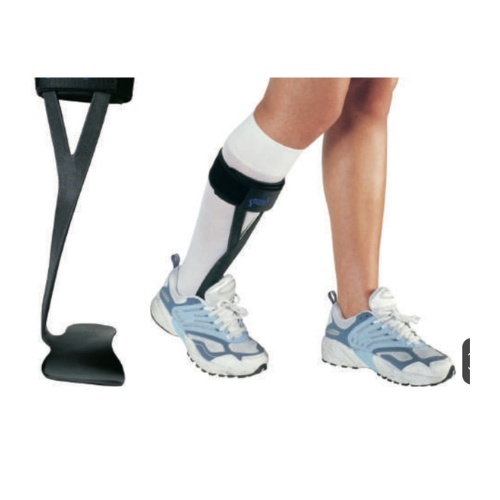
- Orthotic devices, most commonly an ankle-foot orthosis (AFO), which prevents the foot from dropping and helps restore a smoother gait
With regular physiotherapy, many people can regain confidence, independence, and freedom in daily activities.
Final Thoughts
Foot drop may sound like a simple issue, but it often points to something deeper—whether it’s nerve injury, spinal problems, or muscle disease. While it’s not a condition on its own, its impact on walking and daily life can be profound.
The good news? With early diagnosis, appropriate medical care, and consistent physiotherapy, most people with foot drop can see significant improvement. Modern treatments—from nerve decompression surgery to advanced orthoses—give patients the chance to walk more confidently and reduce the risk of accidents.
If you or someone you know is struggling with foot drop, don’t ignore it. Seek medical advice, explore treatment options, and take advantage of physiotherapy support. A timely intervention can make all the difference between ongoing disability and a return to active, independent living.
Best walking Aid used by foot drop Patients.
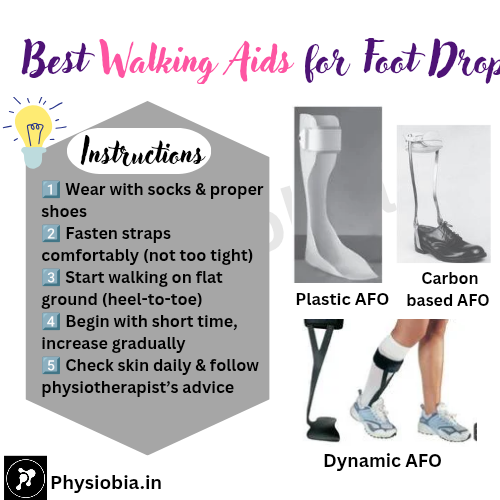
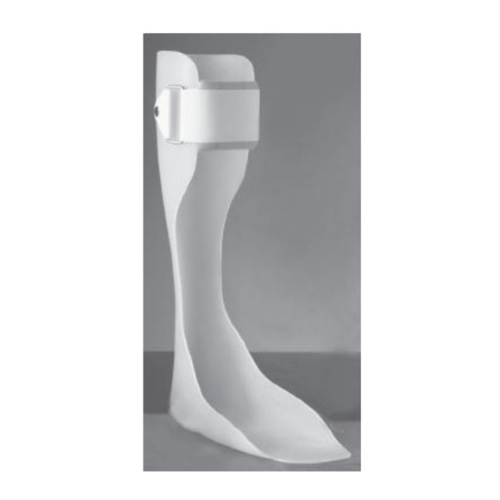
Plastic AFO (Posterior Leaf Spring)
Plastic AFO is made up of Thermoplastic.
Function: Holds the ankle in a neutral position and prevents the toes from dropping during the swing phase of walking.
Advantages:
- Affordable and easily available.
- Strong yet lightweight.
- Useful in mild to moderate cases.
Limitations:
- Restricts ankle flexibility.
- May feel bulky with certain shoes.
It is commonly used in: Peroneal nerve palsy and stroke recovery a common cause of foot drop .
Carbon Fiber AFO
Carbon Fiber AFO is made up of Carbon composite (ultra-light).
Function: Provides support while also storing and releasing energy for a smoother step.
Advantages:
- Extremely lightweight.
- Improves walking speed and efficiency.
- Long-lasting.
Limitations:
- Costly compared to plastic braces.
- Less customizable.
- Ideal for: Active individuals and athletes.
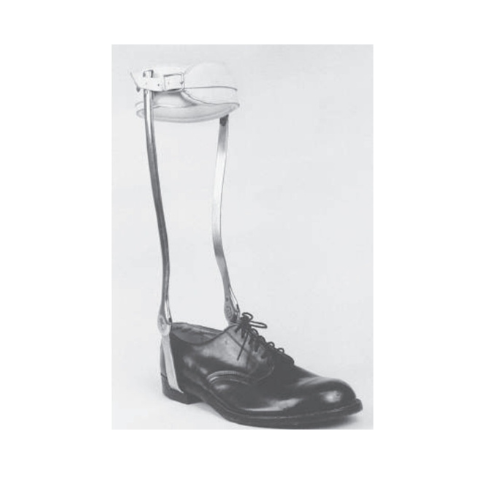
Dynamic AFO (DAFO)
Dynamic AFO is made up of Thin, flexible plastic.
Function: Supports alignment while still allowing some ankle and foot mobility.
Advantages:
- Enhances posture and balance.
- Comfortable for daily activities.
- Widely used in children with neurological disorders.
Limitations:
- Not suitable for severe paralysis.
It is Ideal in patient with Cerebral palsy, mild weakness, and pediatric rehabilitation.
TO LEARN MORE CLICK HERE – Walkaide for foot drop