
Peptic ulcer results from imbalance between acid-pepsin secretion and mucosal defense The factors that protect mucosa are its ability to secrete mucous, bicarbonate and prostaglandins .Gastric acid secretion is controlled by three pathways—vagus(ACh), gastrin and local release of histamine— each acting through it is own receptors
Classification of peptic ulcer
1. Drugs that neutralize gastric acid:
Antacids—MgOH2, Al(OH)3
2. Drugs that reduce gastric acid secretion
- H2 receptor blockers—Cimetidine, ranitidine, famotidine, roxatidine, nizatidine.
- . Proton pump inhibitors (PPIs)— Omeprazole, lansoprazole, pantoprazole, rabeprazole
- Muscarinic antagonists—Pirenzepine.
3. Ulcer protectives:
Sucralfate, bismuth compounds.
4. Other drugs:
Carbenoxolone, cisapride , prostaglandins.
ANTACIDS
- Aluminium hydroxide
- Sodium bicarbonate
- Magnesium salts
- Calcium carbonate
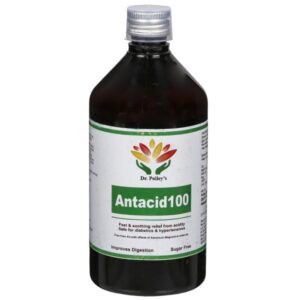
Some antacid combination preparations
GELUSIL liquid, tablet – Aluminium hydroxide gel +Magnesium trisilicate
DIGENE gel, tablet – Magnesium hydroxide +Aluminium hydroxide gel + carboxymethy cellulose sodium + Methylpolysiloxane
H2 receptor blockers:
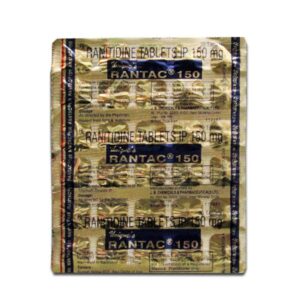
Ranitidine
Ranitidine is more potent, longer acting, has no antiandrogenic effect, no CNS effects as it does not cross BBB and does not inhibit microsomal enzymes significantly.
Adverse effects
headache and dizziness.
Famotidine
Famotidine is similar to but more the potent than ranitidine. Headache and rashes can occur.
Roxatidine
Roxatidine is similar to the ranitidine but is more potent and longer-acting.
Uses of H2 Blockers
- Peptic ulcer—H2 blockers bring about rapid relief from pain and ulcers heal in 6-8 weeks of treatment.
- Gastritis and non ulcer dyspepsia—respond to H2 blockers.
- GERD—H2 blockers are alternatives to PPIs.
- Preanesthetic medication—to reduce gastric acid secretion and prevent damage to the respiratory mucosa if aspiration occurs during surgery
- Zollinger Ellison syndrome—High doses of H2 blockers are used as alternatives to PPIs
Proton Pump Inhibitors
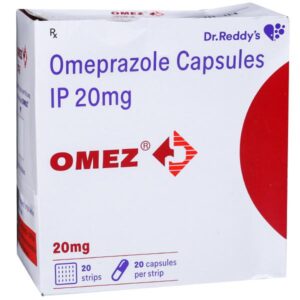
Omeprazole
Omeprazole is most commonly used proton pump (PP) inhibitor.
Adverse effects:
Omeprazole is well-tolerated. Prolonged acid suppression may allow bacterial over growth in stomach. Dizziness, headache, arthralgia, nausea and rashes are rare. Long term administration may result in:
- Vitamin B12 deficiency due to it’s reduced absorption.
- ↑ gastrin levels
- Atrophic changes in the stomach—have been
noticed after 3-4 years of use.
Uses:
Omeprazole is used in peptic ulcers (20-40 mg daily) and severe gastroesophageal reflux
(GERD) that is not responding to H2 blockers. Ulcers heal fast and pain is relieved. It is given for 4-8 weeks. It’s also used in H.pylori treatment regimen and in Zollinger Ellison syndrome.
Lansoprazole
Lansoprazole is similar to omeprazole but is longer-acting.
Pantoprazole
Pantoprazole is more acid stable and an I.V. formulation is also available.
Rabeprazole
Rabeprazole has the fastest onset of action but is short acting
Ulcer Protectives
Sucralfate
One tablet is given 1 hr before each meal and one at bed time for 4-8 weeks and then it is continued for 6 months to prevent recurrence.
Bismuth salts
Colloidal bismuth sub citrate on oral administration forms complexes with proteins in the ulcer base and forms a protective coating over the gastric mucosa. It also inhibits the growth of H. pylori on gastric mucosa and stimulates mucus production and PG synthesis. By these actions it promotes ulcer healing in 4-8 weeks. It may cause the constipation and black stools.
Treatment of H. pylori Infection
Infection with H. pylori is associated with the gastroduodenal disease including gastritis and peptic ulcer. It’s also thought to be responsible for recurrence of peptic ulcer disease. Eradication of H. pylori along with reduction of acid secretion has shown to reduce relapse rate.
Various combination regimens are tried with clarithromycin, amoxicillin or tetracycline; metronidazole and omeprazole for 1-2 weeks
One regimen: Clarithromycin 250 mg BD + metronidazole 400 mg BD + omeprazole 20 mg BD—for one week.