
Why my heel hurts when i walk : Possible Reasons and Fixes
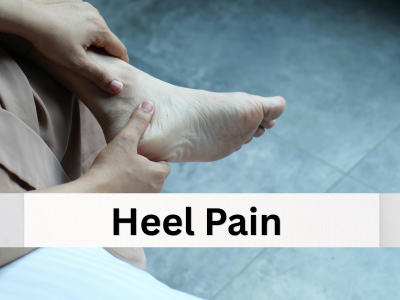
Heel pain can make everyday activities difficult. Many people notice discomfort while getting out of bed, walking long distances, or standing for extended periods. If you often think, “my heel hurts when I walk,” the pain may be connected to strain in the muscles, tendons, or bones of the foot.
In some cases, the pain improves with rest, while other people experience ongoing discomfort that slowly worsens over time. Along with heel pain, many people also say:
- my feet hurt after walking
- my heel hurts in the morning
- the bottom of the foot hurt after standing too long
Understanding the possible causes can help you choose the right treatment and prevent the pain from getting worse. Must read till the end we provide various method to treat you pain.
What Is Sever’s Disease?
Sever’s Disease is a common cause of heel pain in children between the ages of 8 and 14. It develops because the growth plate in the heel becomes irritated during periods of rapid growth.
Symptoms of Sever’s Disease
- Heel pain during sports or running
- Tenderness at the back of the heel
- Limping after activity
- Pain that improves with rest
The condition is usually temporary and often improves within a few months with reduced activity and proper support.
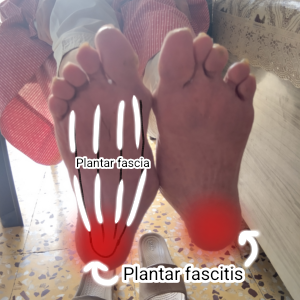
What Is Plantar Fasciitis?
Plantar fasciitis happens when the plantar fascia, the thick tissue running along the bottom of the foot, becomes irritated or inflamed.
It is one of the most common reasons people say, “my heel hurts when I walk.”
Common Symptoms
- Sharp pain under the heel
- Severe discomfort during the first steps in the morning
- Tightness in the bottom of the foot
- Pain scale after standing for long periods
- Aching that may spread across the sole
Many people notice that the pain eases slightly after moving around for a few minutes.
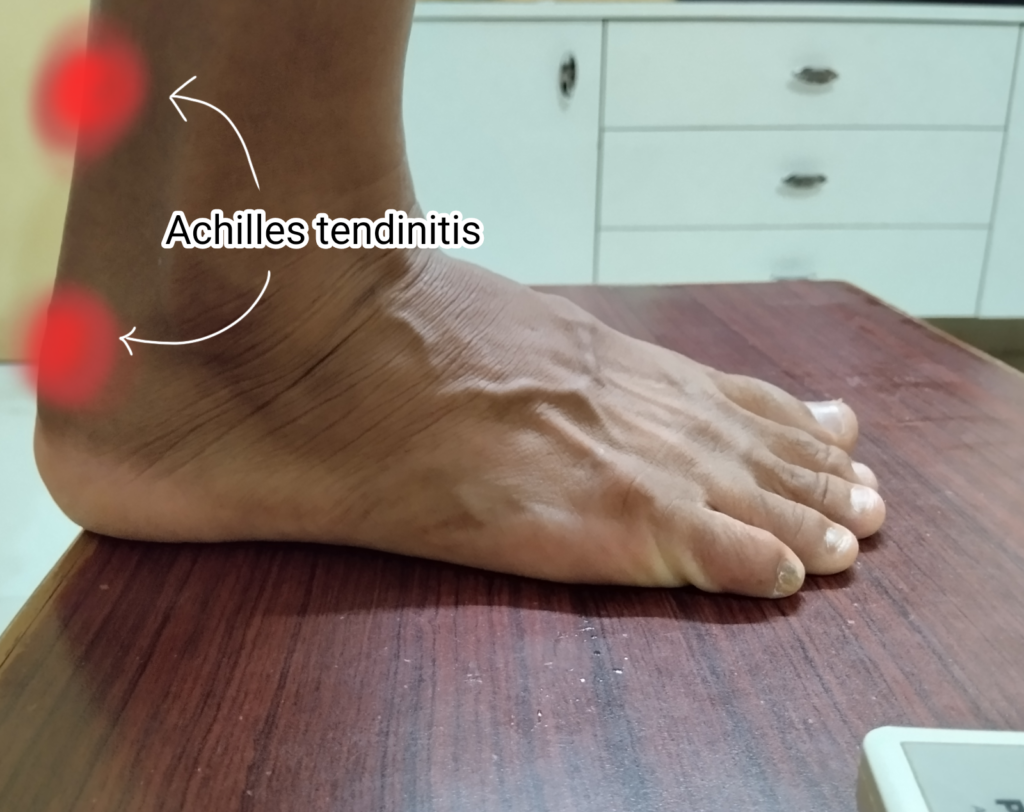
What Is Achilles Tendinitis?
This condition affects the Achilles tendon located at the back of the ankle above the heel.
Symptoms
- Pain behind the heel
- Tightness in the calf muscles
- Tenderness while walking uphill or climbing stairs
- Swelling near the tendon
- Stiffness after exercise
People with this condition often feel that my heel hurts more after physical activity or long walks.
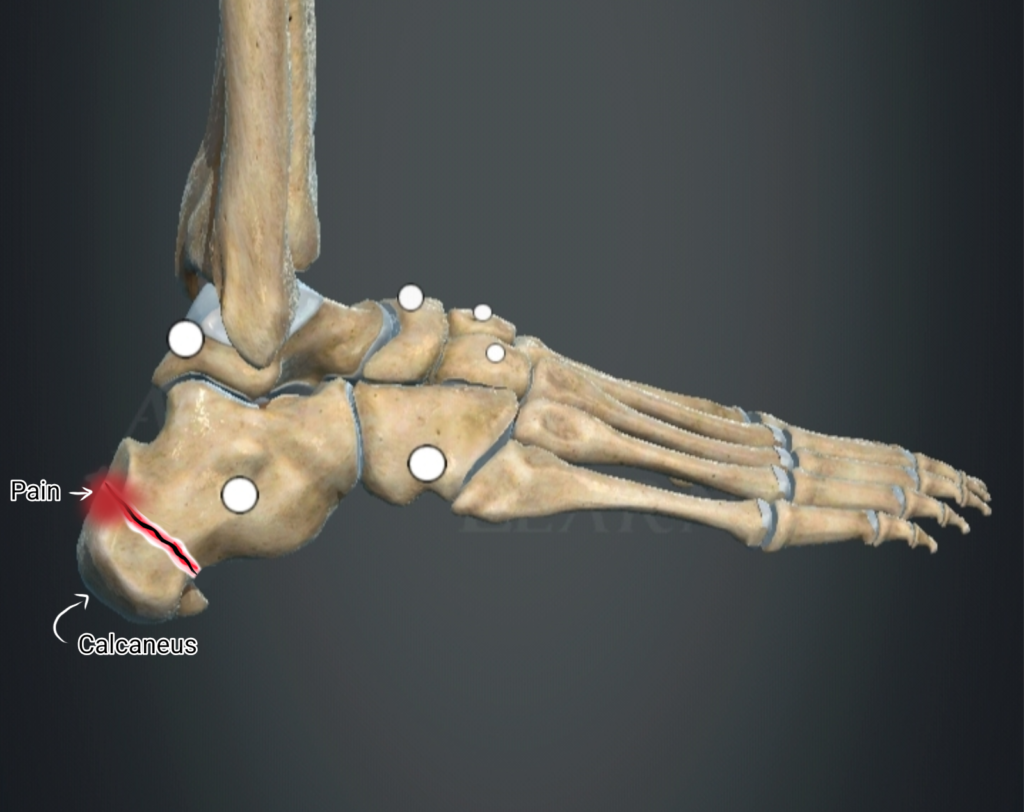
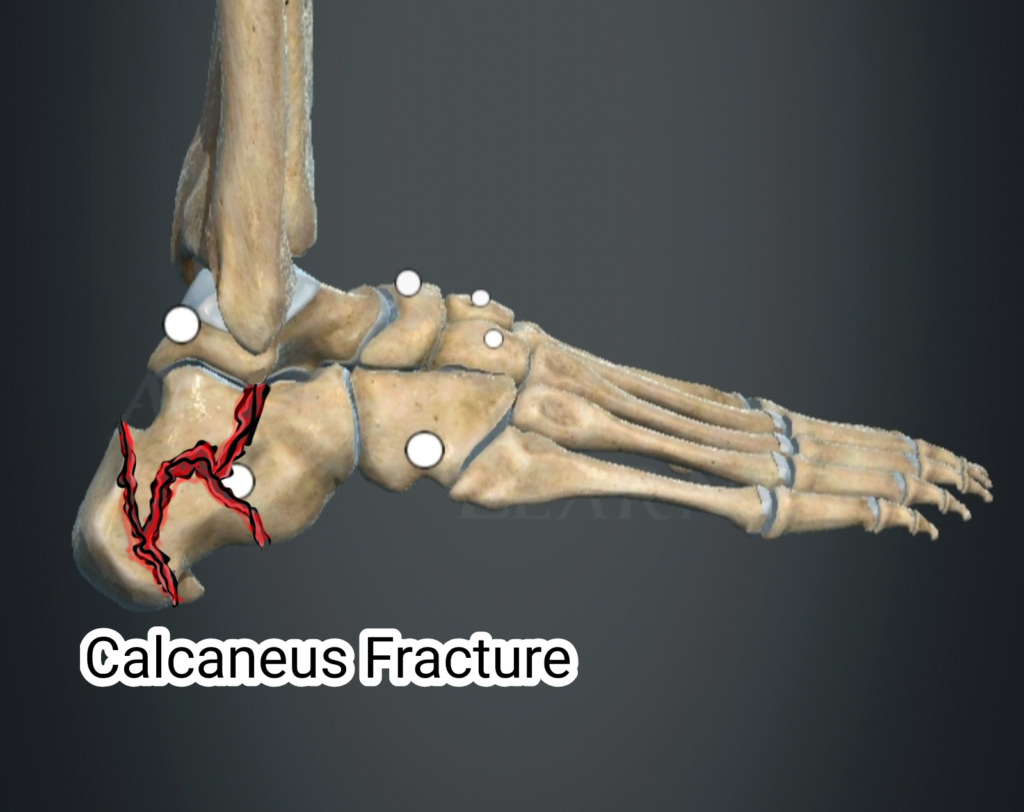
What Is a Calcaneal Stress Fracture?
A calcaneal stress fracture involves tiny cracks inside the heel bone caused by repetitive stress or impact.
Common Symptoms
- Deep pain throughout the heel
- Difficulty standing or walking
- Pain during running or jumping
- Tenderness when pressure is applied
- Swelling around the heel
This type of injury may happen after sudden increases in exercise, repetitive running, or high-impact sports.
If my heel hurts when I walk and becomes severe and does not improve with rest, medical evaluation may be necessary.
Why Heel Pain Happens
Several everyday factors can increase pressure on the heel:
- Tight calf muscles
- Poor footwear
- Long hours of standing
- Repetitive movement
- Sudden increase in physical activity
- Walking on hard surfaces
Sometimes people simply wake up feeling that my feet hurt without noticing a clear cause beforehand.
What can we do in pain ?
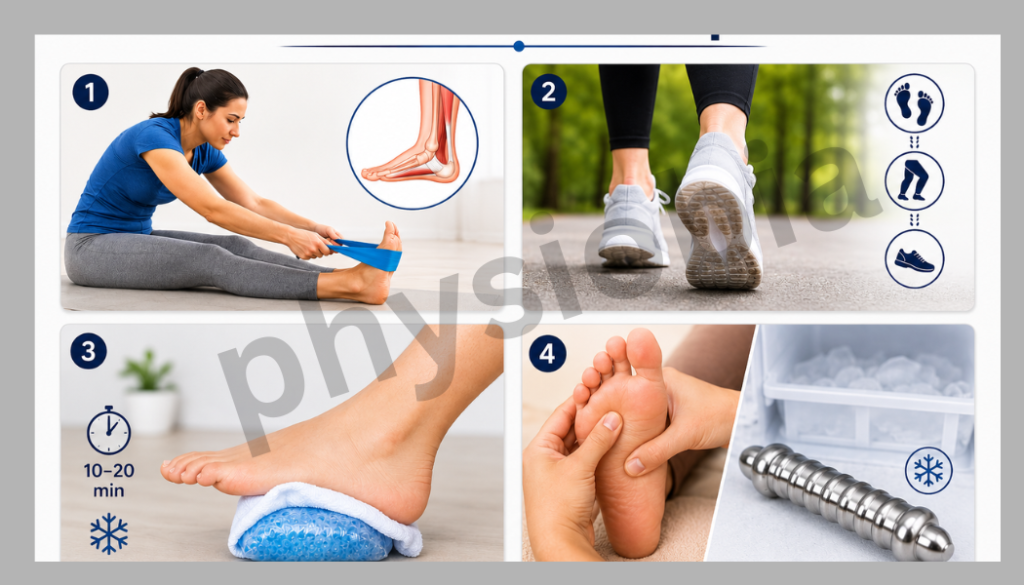
There are various home remedies which help to treat heel pain.
Stretch the Foot and Calf Muscles
Stretching can reduce tension connected to the heel and improve flexibility.
Simple Morning Stretch
Before getting out of bed:
- Sit comfortably
- Pull the toes gently toward the shin
- Hold for 10–30 seconds
- Repeat several times
This helps stretch:
- Plantar fascia
- Achilles tendon
- Calf muscles
Improve Walking Technique
Heavy heel striking while walking increases pressure on the heel.
Better Walking Tips
- Take shorter steps
- Keep the knees slightly bent
- Walk with softer foot placement
- Avoid slamming the heel into the ground
These changes may help reduce discomfort if my heel hurts when I walk throughout the day.
Ice Therapy for Heel Pain
Applying cold therapy after activity may help reduce soreness.
How to Use Ice
- Place a soft cold pack under the heel
- Keep it there for 10–20 minutes
- Repeat after long periods of walking or standing
Cold therapy may help reduce:
- Swelling
- Inflammation
- Pain after activity
Manual Foot Massage
Gentle massage can help relax tight tissues in the foot.
Massage Tips
- Use the thumbs to massage the bottom of the foot
- Apply steady but comfortable pressure
- Avoid pressing directly on painful spots
- Move slowly along the arch toward the heel
You can combine both cold therapy and massage .Let me tell you how ? – The equipment used for massage should be kept inside the freezer and then use it on foot . The equipment should be a metal or any other elemental made.
Why a Tennis Ball Exercise May Help
Research and clinical experience suggest that gentle foot rolling exercises in the morning may help reduce stiffness and improve flexibility in people with heel pain, especially those with Plantar Fasciitis.
Many people who say “my heel hurts when I walk” notice that the first few morning steps are the most painful. A tennis ball exercise may help loosen the plantar fascia before putting full pressure on the foot.
How to Do the Tennis Ball Exercise?
Before standing up in the morning:
- Sit comfortably on a chair or the edge of the bed
- Place a tennis ball under the foot
- Slowly roll the ball from the heel to the toes
- Apply gentle pressure only
- Continue for 1–2 minutes on each foot
This simple exercise may help:
- Reduce morning stiffness
- Improve blood circulation
- Relax tight foot muscles
- Decrease tension in the plantar fascia
Some people also prefer using a frozen water bottle instead of a tennis ball because it combines massage with cold therapy.
What you should avoid doing?
If an activity increases pain, reduce or avoid it temporarily.
Common aggravating activities include:
- Running
- Jumping
- Long walks on hard surfaces
- High-impact exercise
Rest combined with stretching and proper foot support often helps recovery.