
Cardiovascular System

Table of Contents

Introduction

The cardiovascular system includesย heart and blood vesselย . The heart pumps blood into blood vessels. Blood vessels circulate the blood throughout body. Bloodย transport nutrient and oxygenย to the tissues and remove carbon dioxide and waste products from tissues.
There are two types of circulatory pattern

  • Open circulatory
  • Closed circulatory

Humans have a closed circulatory which meansย blood pumped by the heart is circulated by blood vessels.

Heart

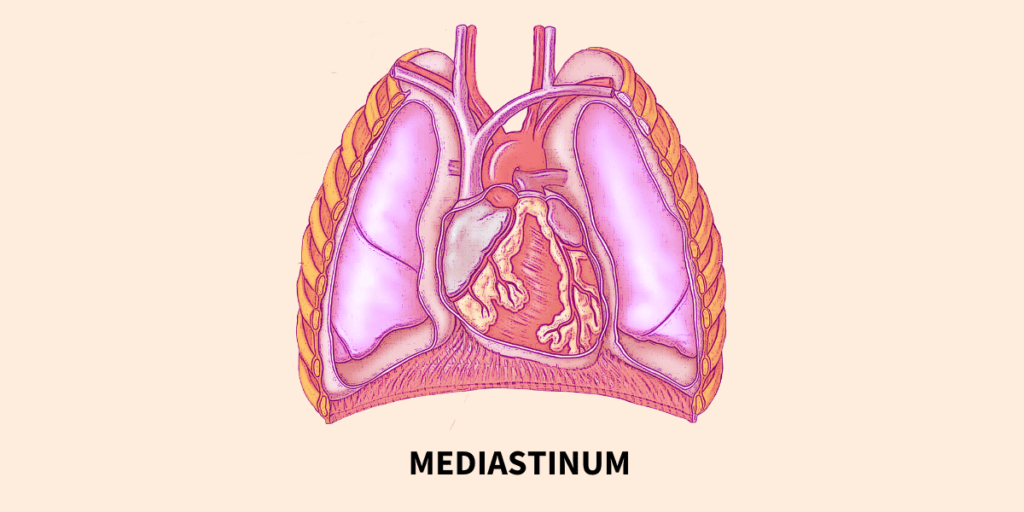
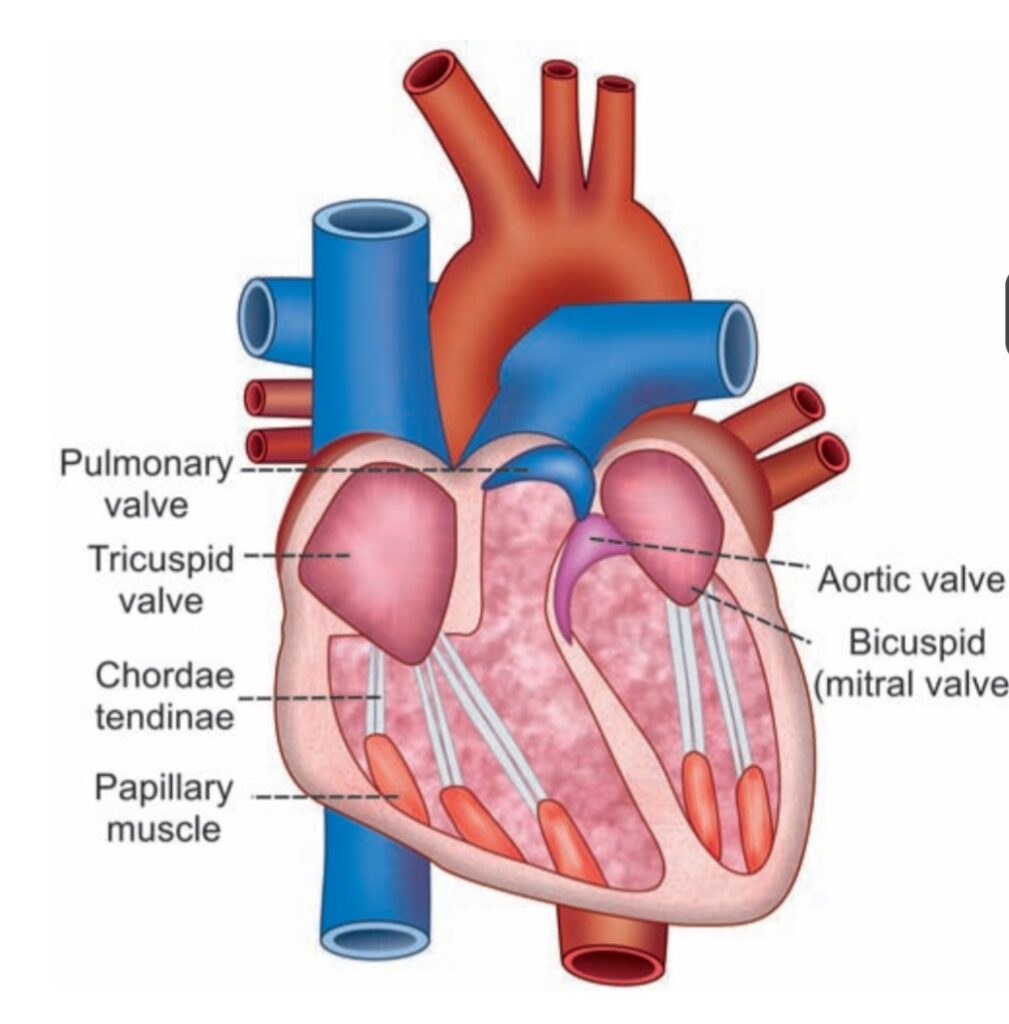
The heart is a muscular organ that pumpsย blood throughout circulatory system. It is situated between two lungs in mediastinum. It is made up ofย four chambers, two atria, and two ventricles. The musculature of the ventricles is thicker than that of the atria. The force of contraction of heart depends upon the muscles.

Morphological features of the heart

  1. Hollow muscular organ ( mesodermal in origin )
  2. Clenched fist shaped
  3. 12 cm long, 9 cm wide, 6cm thickness
  4. 250gm in female and 300gm in male
  1. ย 

Location

Between two lungs, rest on Diaphagram near the midline of the thoracic cavity. The heart is situated in the middle mediastinum( inside its fibrous and serous pericardial covering), moved more toward the left so that its apex is situated behind the left 5th intercostal space of about 9cm

Wall of heart

  • Epicardium

      1. It confines the heart to its position in mediastinum
      2. It is protecting the layer
      3. Allow free movement during vigorous and rapid contraction

There are two layar presents in the epicardium

        • Fibrous Pericardium

It is challenging, inelastic, dense irregular connective tissue. It prevents stretching from the heart.

        • Serous pericardium

It has two layer , Viceral serous layar and Parietal serous layar.

      1. ย 
  • Myocardium

It makes up 95% of the heart wall and is responsible for pumping the action of the heart. These cardiac muscle fibers are made up of muscular tissue forming conducting systems.

  • Endocardium

    1. Thin transport outer layer of the heart
    2. It is composed of the mesothelium
    3. The mesothelium is a delicate fibroblastic tissue or adipose tissue.
  1. ย 

What is mediastinum ?

  • It isย space between both lungs inside chest cavity.
  • It is an anatomical region that extends from sternum to the vertebral column from the first rib to diaphragm.
cardiovascular system

Septa of Heart

The right and left atria are separated from one another by a fibrous septum called the interatrial septum. The right and left ventricles are separated from one another by interventricular septum.

Valves of the heart

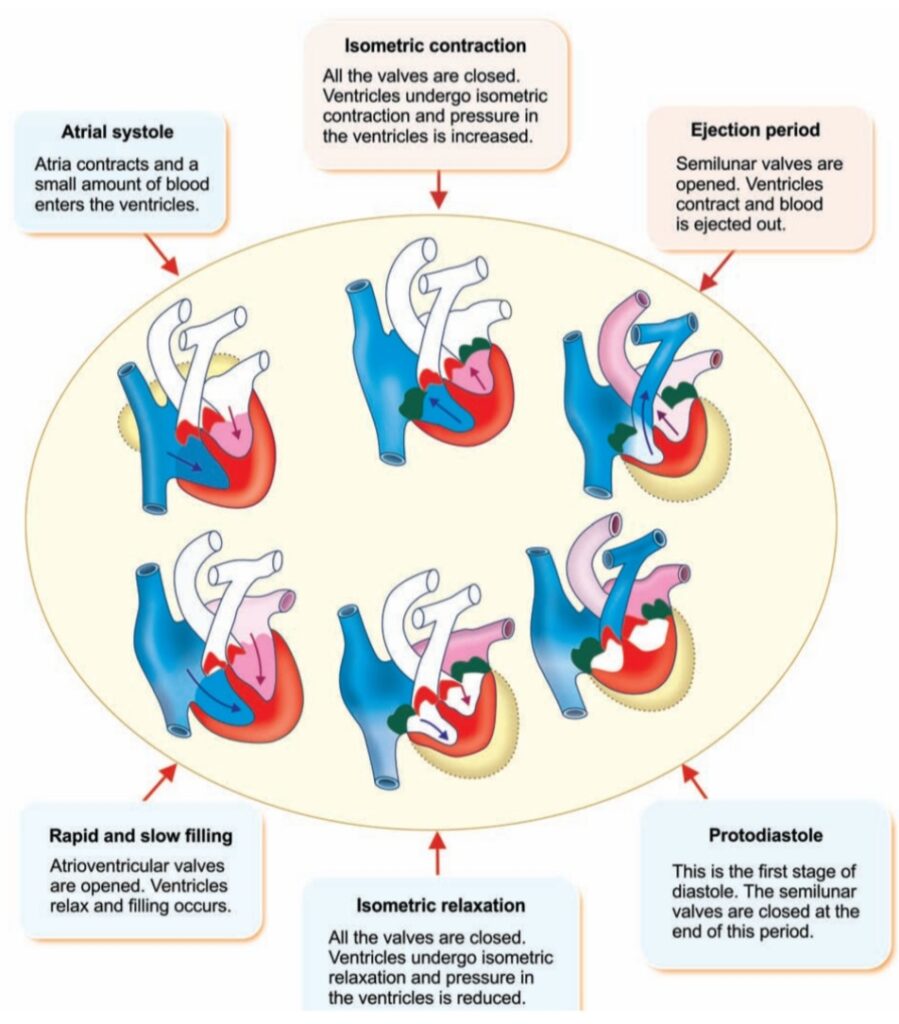
There are four valves in the human heart. Two valves are in between the atria and ventricles and atrioventricular valves(Bicuspid valve ). The other two are the semilunar valves, placed at the opening of blood vessels arising from ventricles.

Actions of heart

    1. Chronotropic action

Chronotropic action is frequency of heartbeat or heart rate. It is of two types

      • Tachycardia or increase in heart rate.
      • Bradycardia or decrease in heart rate.
    1. Inotropic action

The force of contraction of heart is called inotropic action. It is two types

      • Positive inotropic action or increase in force of contraction.
      • Negative inotropic action or decrease in force of contraction.
    1. Dromotropic action

Dromotropic action is the conduction of impulses through the heart. It is two types

      • Positive demotropic action or increase in the increase in velocity of conduction
      • Negative nootropic action or decrease in the velocity of conduction.
    1. Bathmotropic action

Bathmotropic action isย excitability of cardiac muscle.

    • Positive bathmotropic action or increase in excitability of cardiac muscle. It has two type
    • Negative bathmotropic action or decrease in excitability of cardiac muscle.

Division of circulation

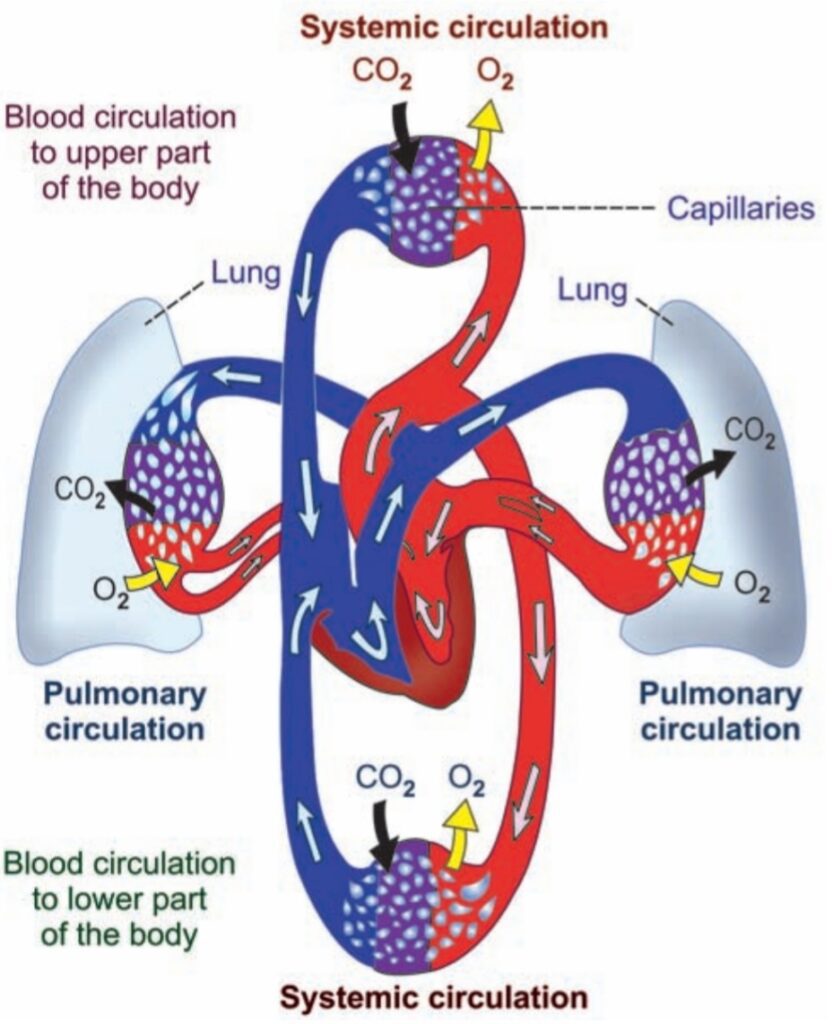
Blood flows through two divisions of the circulatory system :

Systematic circulation

Systemic circulation is otherwise known as greater circulation. Blood pumped from the left ventricle passes through a series of blood vessels, the arterial system, and reaches the tissues. The exchange of various substances between blood and the tissue occurs at capillaries.

After an exchange of material, blood enters venous system and returns to the right atrium of heart. From the right atrium, blood enters right ventricle. Thus, through systemic circulation, oxygenated blood is supplied from heart to the tissue, and venous blood returns to the heart from the tissues.

Pulmonary circultion

Pulmonary circulation is otherwise called lesser circulation. Blood is pumped from the right ventricle to lungs through the pulmonary artery. The exchange of gases occurs between the billed and alveoli of the lungs at pulmonary capillaries. Oxygenated blood returns to the left atrium through pulmonary veins.

Thus, the left side of the heart contains oxygenated or arterial blood and the right side of the heart contains deoxygenated or venous blood.

Recent Article post