





Cardiovascular Adjustments during exercise

Table of Contents

Introduction

During exercise, there is an increase in metabolic needs of body tissues, particularly muscles.

Various adjustments in the body during exercise
are aimed at:

  • Supply of various metabolic requisites like nutrients and oxygen to the muscles and other tissues involved in exercise
  • Prevention of increase in body temperature.

TYPES OF EXERCISE

Exercise are generally classified into two types depending
upon the type of muscular contraction:

    • Dynamic exercise

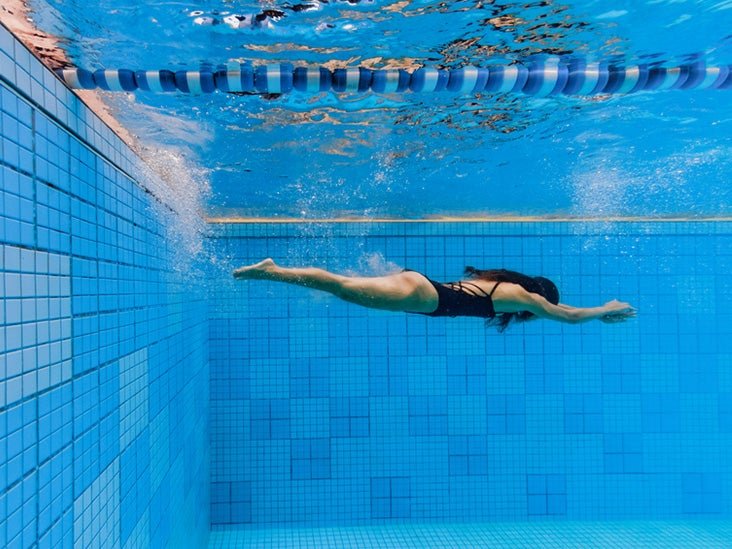
Dynamic exercise primarily involves the isotonic muscular contraction. It keeps the joints and muscles moving. Examples are swimming, bicycling, walking, etc. Dynamic exercise involves external work, which is the shortening of muscle fibers against load

  •  
Cardiovascular Adjustments during exercise
Swimming
Dynamic exercise
Bycycling
Dynamic exercise
Walking
  • Static exercise.

Static exercise involves isometric muscular contraction without movement of joint. Example is pushing heavy object. Static exercise does not involve external work.

Based on the types of metabolism involved, exercise is classified into two types

    • Aerobic exercise

Aerobic means ‘with air’ or ‘with oxygen’.The energy is obtained by utilizing nutrients in the presence of oxygen and hence it is called aerobic exercise.

Examples of aerobic exercise

      • Fast walking
      • Jogging
      • Bicycling
      • Running
      • Skating
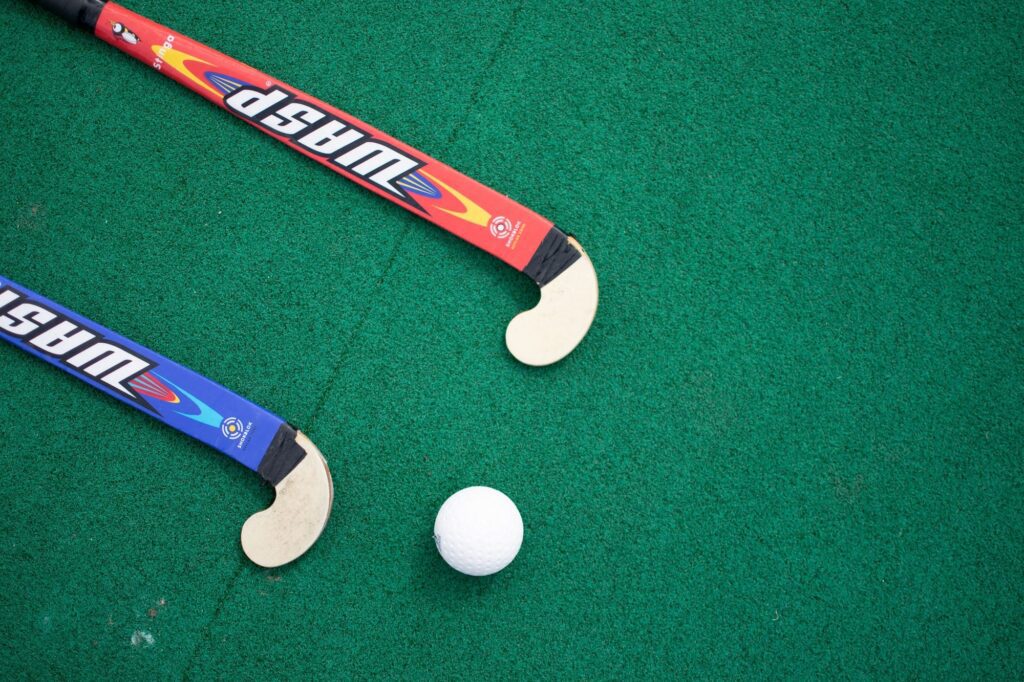
      • Hockey
      • Soccer
      • Tennis
      • Badminton
      • Swimming
      • Rowing.
    • Anaerobic exercise

Anaerobic means ‘without air’ or ‘without oxygen’. Body obtains energy by burning glycogen stored in muscles without oxygen hence it is called anaerobic exercise.

Examples of anaerobic exercise:

      • Pull-ups
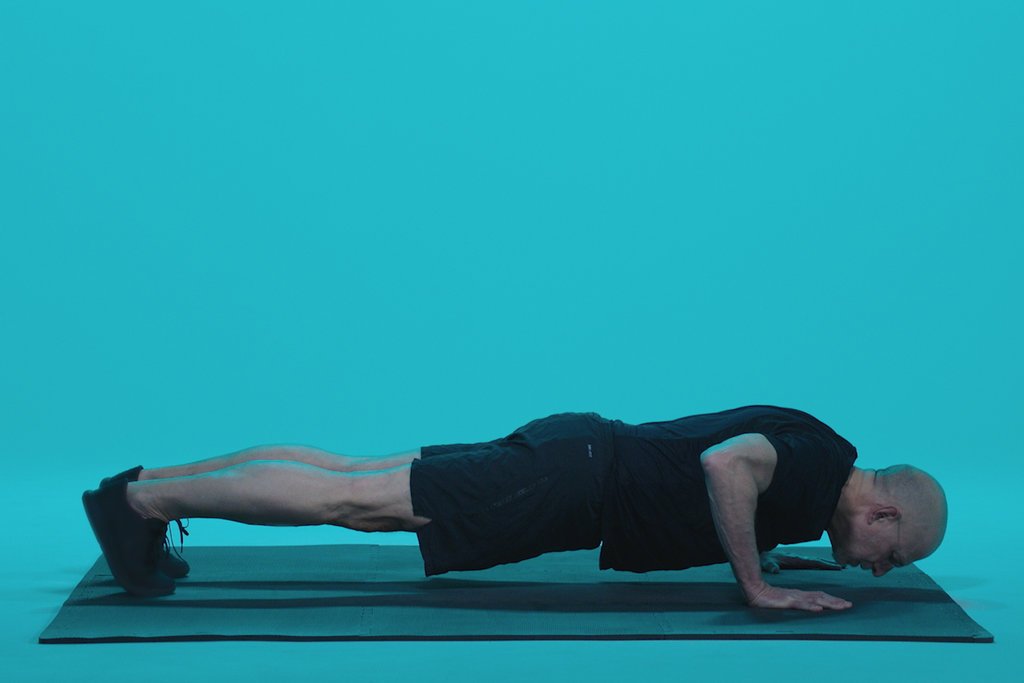
      • Push-ups
      • Weightlifting
      • Sprinting
      • Any other rapid burst of strenuous exercise.
Cardiovascular Adjustments during exercise
Pull - up
Cardiovascular Adjustments during exercise
Push - up
Cardiovascular Adjustments during exercise
Sprinting
Cardiovascular Adjustments during exercise
weightlifting
Cardiovascular Adjustments during exercise
hockey
Cardiovascular Adjustments during exercise
Tennis

EFFECTS OF EXERCISE ON CARDIOVASCULAR SYSTEM

On blood

Mild hypoxia developed during exercise stimulates juxtaglomerular apparatus to secrete erythropoietin. It stimulates bone marrow and causes release of red blood cells

On blood volume

More heat is produced during exercise and thermoregulatory system(Sweat gland ) is activated

On heart rate

Heart rate increases during exercise. Even the thought of exercise or preparation for exercise increases heart rate. It is because of impulses from cerebral cortex to medullary centers, which reduces vagal tone

On cardiac output

Cardiac output increases up to 20 L/minute in moderate exercise and up to 35 L/minute during severe exercise. Increase in cardiac output is directly proportional to the increase in the amount of oxygen consumed during the exercise.

On venous return

Venous return increases remarkably during exercise because of the muscle pump, respiratory pump and splanchnic vasoconstriction

On blood pressure

It is due to increase in the heart rate and stroke volume. Diastolic pressure is not altered because peripheral resistance is not affected during moderate isotonic exercise.

Recent Article post