
5 ways to cure Back Pain Effectively
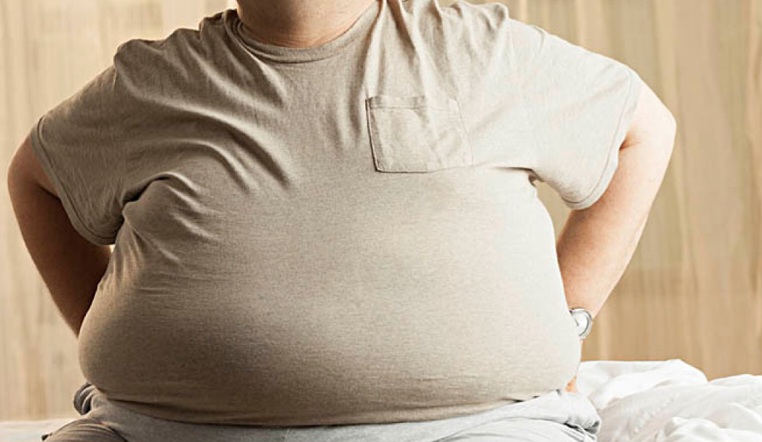
The Back Pain is of two types one is specific back pain and the other one is non-specific back pain. Specific back pain is pain that has a certain cause , it can be a disease or any structural defect etc. Non-specific back pain is when it is not possible to find the cause to explain the symptom.
According to the World Health Organisation, the Treatment for Low Back Pain depends on the nature of the pain and whether it is non-specific or specific. In this article we majorly focus on non- specific treatment of Back Pain.
Non – Specific Back Pain
Mostly conservative treatments are used under non-specific Back Pain. It consists of rest, Drugs, Hot packs, Spinal exercises, Traction, Corset, and education regarding the prevention of back pain.
No Rest
In the acute phase, absolute bed rest on a hard bed (a mattress is allowed) is advised But current studies recommend no bed rest at all . Staying in bed longer than 48 hours not only won’t help but may, in fact, actually it will increase stiffness in muscle ( Back muscle ) and delay your recovery. Lying down longer than a day or two day doesn’t help relieve back pain.
• People can recover more quickly without any bed rest.
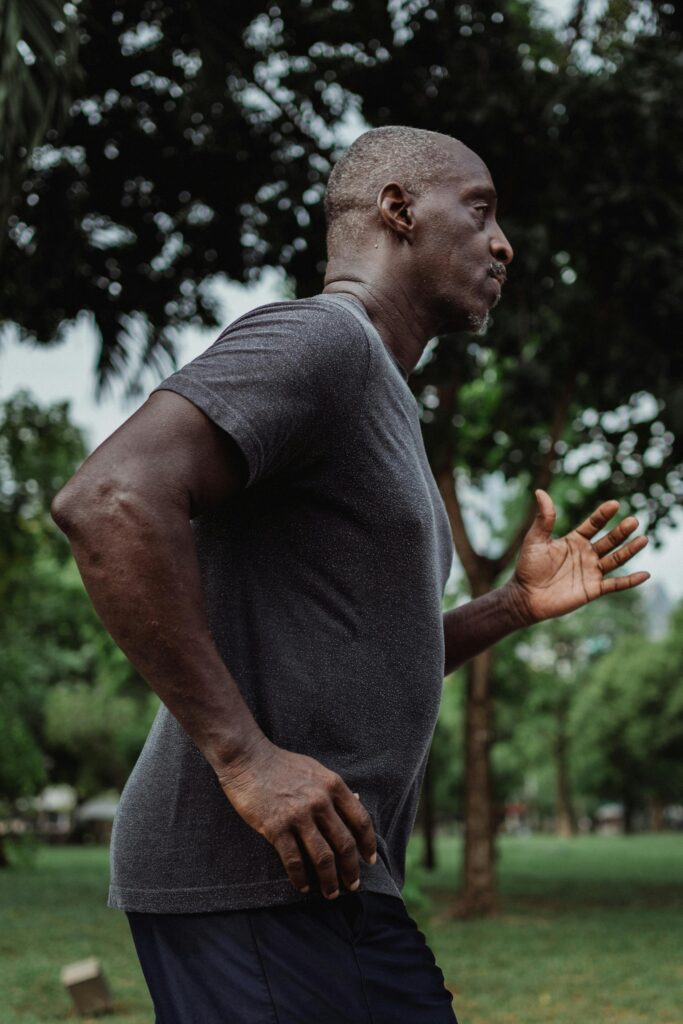
• The sooner you start moving, even a little bit, or return to activities such as walking, the faster you are likely to improve.
Drugs
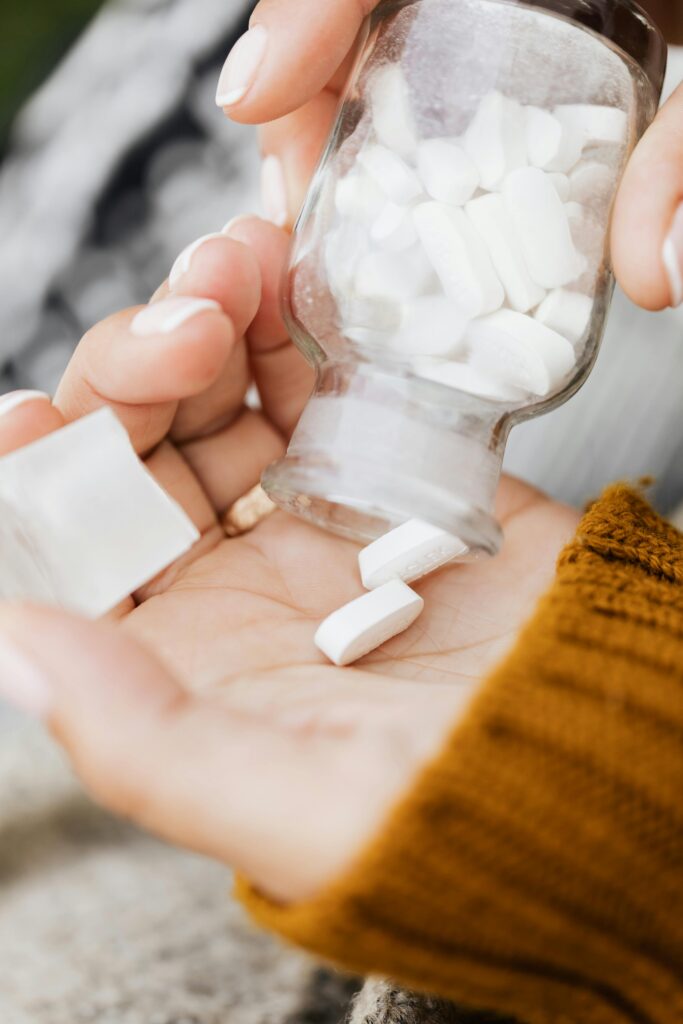
- Analgesic relief pain is also denoted as a painkiller. There are also Anti-inflammatory analgesics used to reduce inflammation and opioid analgesics change the way the brain perceives pain. Anti-inflammatory such as
ibuprofen (Advil, Motrin) or naproxen (Aleve).
Common analgesic are Acetaminophen , Aspirine etc
- Muscle relaxants
There are two major drug criteria: antispastic and antispasmodic. Some comment muscle relaxants are as:
- Carisoprodol (Soma®, Vanadom®).
- Chlorzoxazone (Lorzone®, Parafon Forte DSC®, Relax-DS®, Remular S®).
- Cyclobenzaprine (Fexmid®, Flexeril®).
- Metaxalone (Metaxall®, Skelaxin®).
- Methocarbamol (Robaxin®).
- Orphenadrine (Norflex®).
Physiotherapy
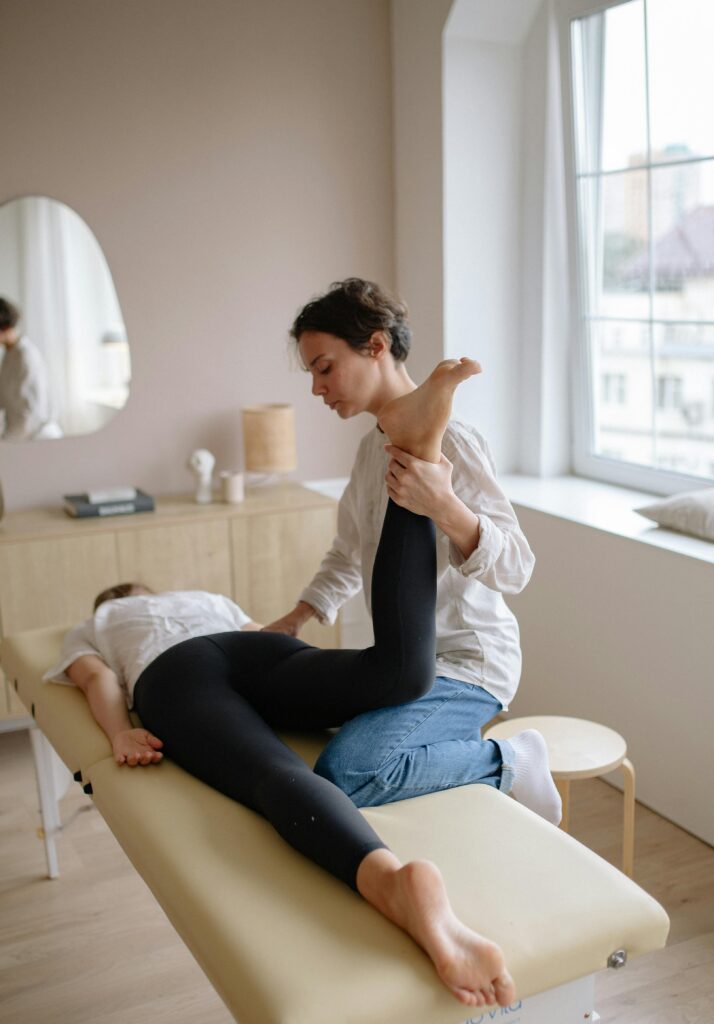
Exercise is often the best way to relieve lower back pain. Check with your doctor before starting an exercise program. It may help to work with a health professional (such as a physiotherapist) who can explain which activities are right for you.
Physiotherapy treatment consists of heat therapy (hot packs, short-wave diathermy, ultrasonic wave, etc.). Gradually, a spinal exercise program is started.
Many activities can help relieve back pain. Try to include activities that strengthen the muscles around your trunk, your abdominal muscles as well as those in your lower back. Studies show the following activities help relieve back pain:
• Lifting light weights
• Yoga
• Walking and using a treadmill
• Water aerobics
A trained therapist can teach you about the principle of ‘hurt versus harm’.
Traction Therapy
Traction Therapy is a manual and mechanical technique used to stretch the spin and relief the pain.This treatment repositions herniated or bulging discs, decreasing pressure on the back.
Traction therapy can be performed two ways:
- Manual traction – when a therapist uses their hands to apply force on the spinal joints
- Mechanical traction – a special device stretches the spine
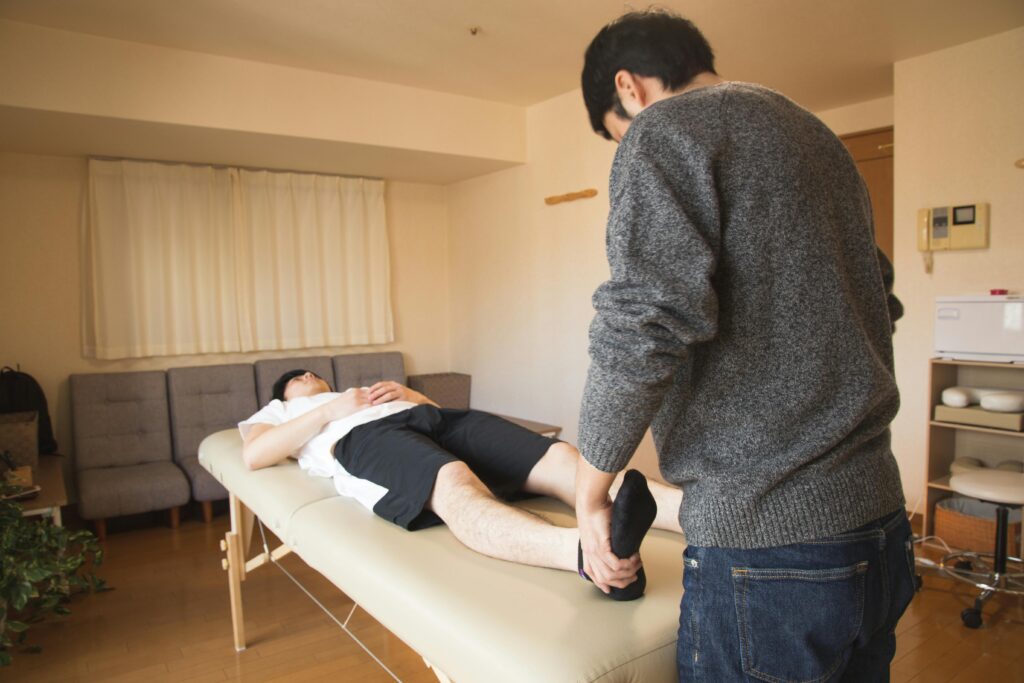
Lumbosacral corset
A lumbar corset(also known as support or brace)is a device made of soft material used to manage stable uncomplicated spine injuries. This is used temporarily in treating acute back pain, back pain due to lumbar spondylosis, etc.
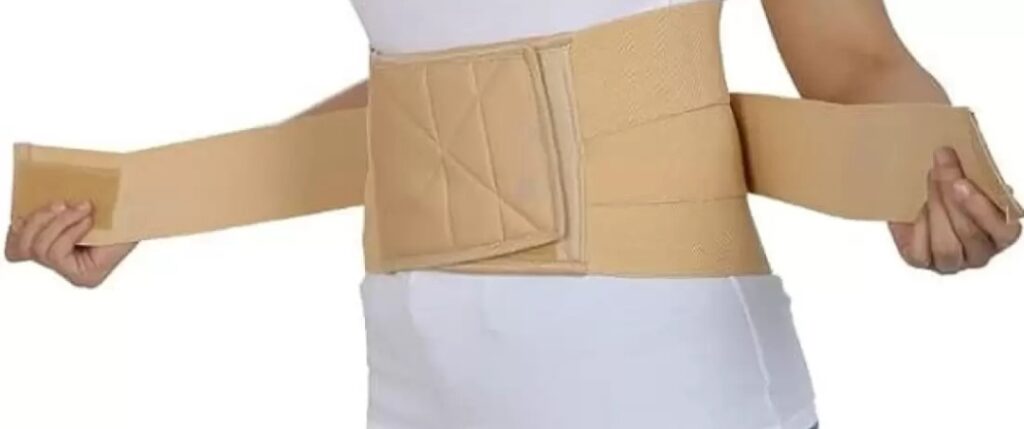
The best precaution is to wear corset.
- Ensure the tightness of the corset. It is important to loosen the lacing every few hours to allow your body to adjust.
- Before wearing a corset you need to wear appropriate undergarments makes you more comfortable and reduce the risk of irritation or injury from long-term use.
- Make sure not to wear a corset for more than 8 hours at a time without taking proper breaks to prevent lasting physical harm.
- find the right size of corset for your body or you can consult it with your health care professional.
- When the corset is new then do not wear it too tight it might injure you, wear it loosely. This way, your body gets used to it gradually rather than suddenly being put into an uncomfortable position due to too tight lacing.
Education
Patients must be taught what they can do to alleviate the pain and to avoid injury to the back. This includes education to avoid straining the back in activities of daily living such as sitting, standing, lifting weights, etc. ‘Back Schools’ is a formalized approach to this education.
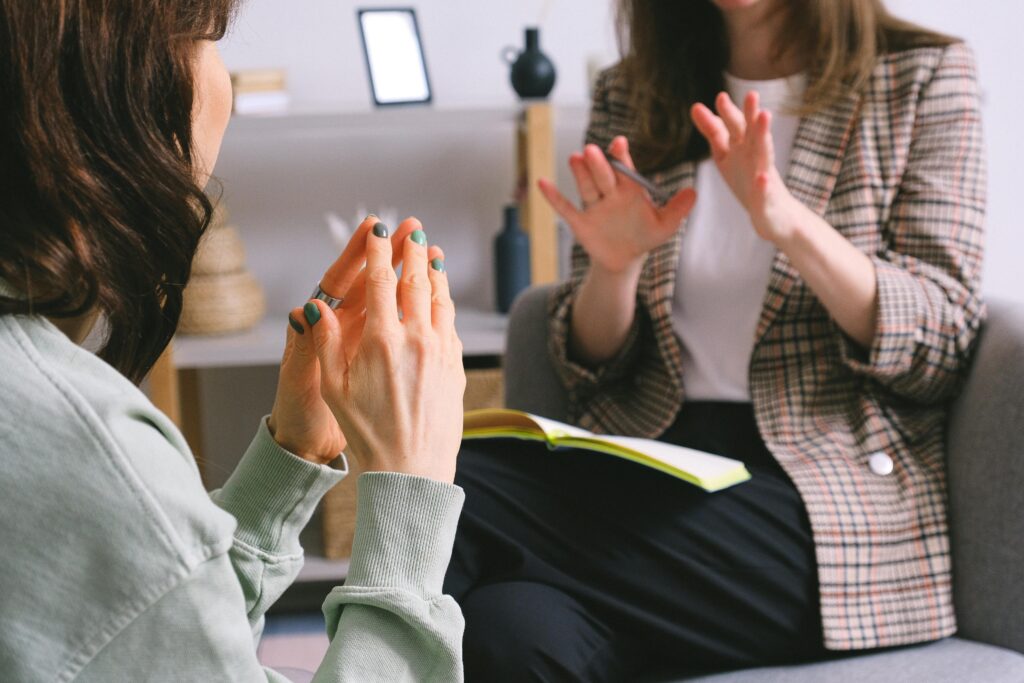
Understanding Back Pain: Explain the causes of back pain, including muscle strains, ligament sprains, herniated discs, spinal stenosis, osteoarthritis, and other conditions.
Anatomy of the Spine: Educate patients about the structure of the spine, including the vertebrae, discs, nerves, and muscles, to help them understand how their back works and what might be causing their pain.
Pain Management Techniques: Teach patients about various pain management strategies, such as heat and cold therapy, proper posture, ergonomic techniques, relaxation techniques, and over-the-counter or prescription medications.
Exercise and Stretching: Provide guidance on specific exercises and stretches that can help strengthen the muscles supporting the spine, improve flexibility, and reduce pain. Emphasize the importance of maintaining a regular exercise routine
Lifestyle Modifications: Discuss lifestyle factors that may contribute to back pain, such as poor posture, improper lifting techniques, obesity, and stress. Encourage patients to make healthy lifestyle changes to reduce their risk of recurrent pain.
Weight Management: If applicable, discuss the importance of maintaining a healthy weight to reduce strain on the spine and alleviate pressure on the joints.
Proper Body Mechanics: Teach patients proper body mechanics for everyday activities, such as lifting, bending, and sitting, to prevent further injury and minimize strain on the back.
Sleeping Habits: Provide recommendations for improving sleep posture and selecting a supportive mattress and pillows to help reduce back pain during rest.
Smoking Cessation: Advise patients on the detrimental effects of smoking on back health and encourage them to quit smoking if applicable.
When to Seek Medical Attention: Educate patients on the warning signs of serious back conditions that require immediate medical attention, such as severe or worsening pain, weakness or numbness in the legs, loss of bowel or bladder control, and fever.
Follow-up Care: Stress the importance of regular follow-up appointments with healthcare providers to monitor progress, adjust treatment plans as needed, and address any concerns or questions.
Psychological Support: Acknowledge the psychological impact of chronic back pain and provide resources for coping strategies, such as relaxation techniques, mindfulness, or counseling.
References
ADVANTAGES TO TRACTION THERAPY. The physiotherapy and rehabilitation center of Ontario
Thoracolumbar corsets alter breathing patterns in normal individuals. PubMed
The why, where, and how clinical reasoning model for the evaluation and treatment of patients with low back pain. PubMed
Essential Orthopaedics . Maheswari and Mhaskar. AT CHAPTER – back pain