
Why My Knee Hurt and Fix It?
Knee hurt is a common problem that can affect your daily routine, especially when walking, running, or climbing stairs. If you’ve ever wondered, “Why does my knee hurt and how can I fix it?”, you’re not alone. This type of knee hurt often shows up around or under the kneecap and can make simple movements feel uncomfortable. Understanding why your knee hurt happens is the first step toward finding the right way to fix it naturally and effectively, without always depending on medication.
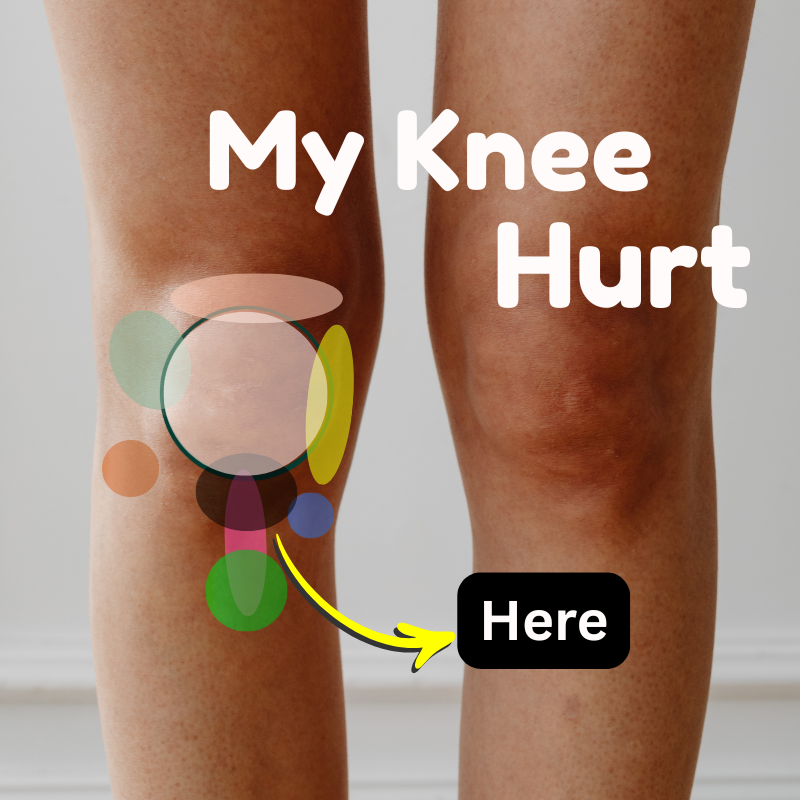
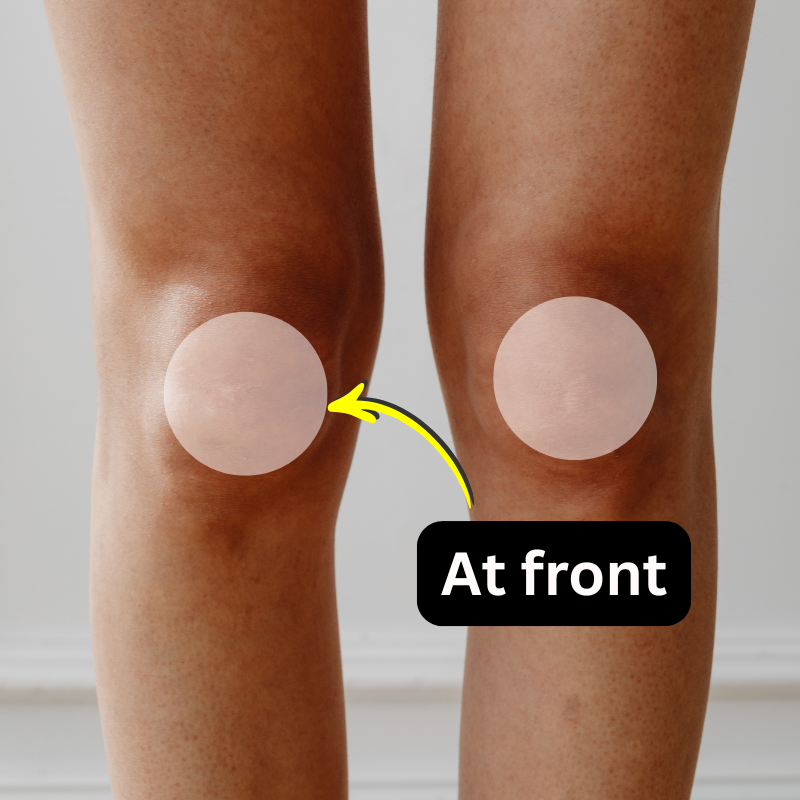
When my Knee Hurt at the Front
If your knee hurt is at the front of your knee joint, under or around the kneecap, and gets worse with running, cycling, or using stairs—but without swelling—you may have runner’s knee (patellofemoral pain syndrome).
A simple test is squatting. Around 80% of people with this type of knee hurt feel pain while doing a squat.
This happens when the kneecap does not move properly in its groove and creates friction against the bones underneath.
How to Fix Runner’s Knee
One of the quickest ways to fix this knee hurt is by loosening tight outer thigh muscles that pull the kneecap out of alignment.
Simple fix:
- Sit on a low chair
- Keep one leg straight and thigh relaxed
- Turn your leg slightly inward
- Use the heel of your hand to massage the outer thigh
- Do this for 30–60 seconds daily, focusing on tender areas
This simple method can help fix knee hurt naturally over time.
Another major cause of knee hurt is improper leg movement, especially inward rotation. This can lead to multiple knee problems if ignored.
Correcting your leg alignment and movement patterns is an important step to fix knee hurt and prevent it from coming back.
When my Knee Hurt Below the Kneecap (Patellar Tendinopathy)
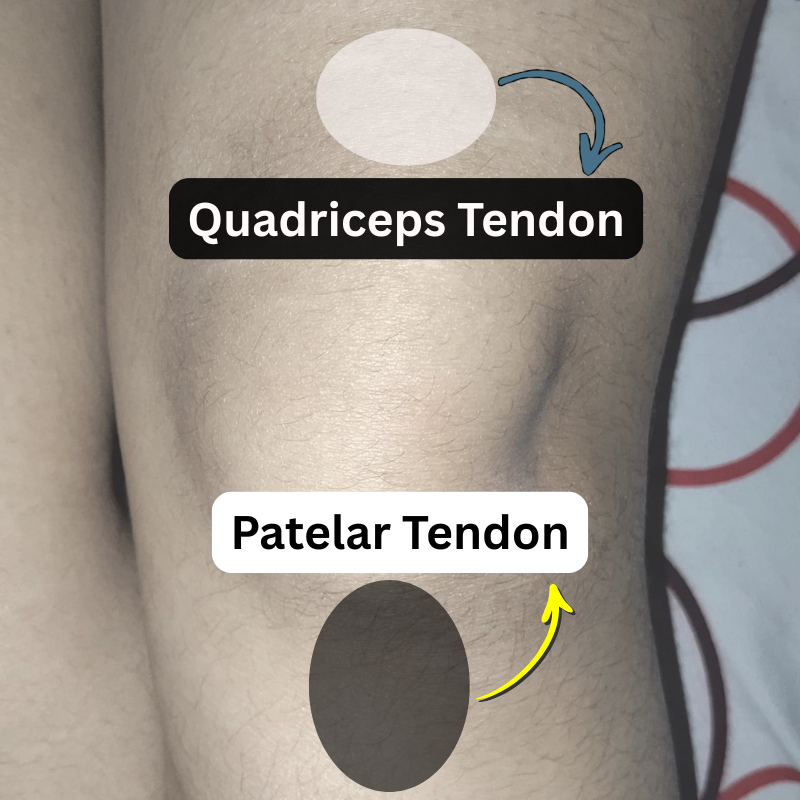
If your knee hurt is just below the kneecap in the tendon that connects it to your shin bone, and it worsens with exercise or when fully bending or straightening your knee joint , you may have patellar tendinopathy.
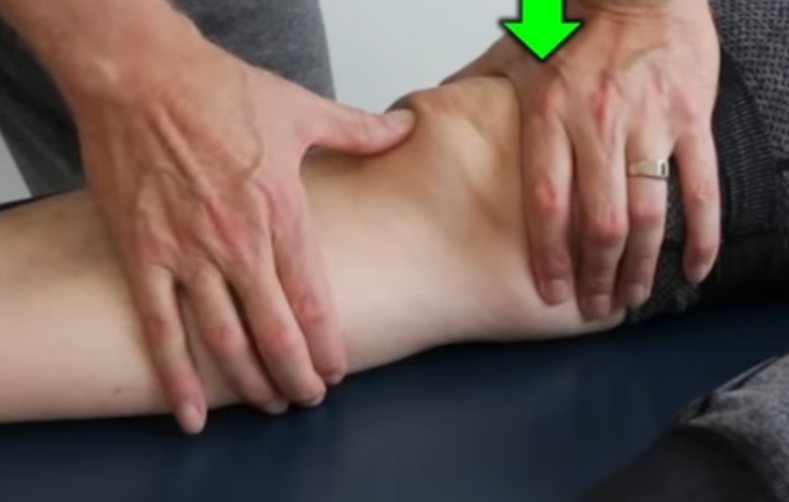
Test for this knee hurt:
- Relax your thigh
- Press one hand above the kneecap
- Use your thumb to press below the kneecap
- Tenderness in this area indicates the issue
When my Knee Hurt Above the Kneecap
If your knee hurt is just above the kneecap, it may be quadriceps tendinopathy. This condition, along with patellar tendinopathy, often develops after a sudden increase in activities like running or cycling that heavily use the thigh muscles.
Both of these issues are connected because the tendons above and below the kneecap are extensions of the same quadriceps muscle. That means the approach to fix this type of knee hurt is very similar.
How to Fix Knee Hurt from Tendinopathy
To fix knee hurt caused by patellar or quadriceps tendinopathy, the first step is to reduce your exercise load. Avoid pushing through pain and keep any activity within a 2–3 out of 10 pain level.
Once the pain is under control, start strengthening the tendons gradually with exercises such as:
- Wall sits
- Controlled squats (lower down slowly, then assist yourself up)
- Slow split squats based on your tolerance
These exercises help rebuild strength and are key to long-term recovery and to fix knee hurt effectively.
When my Knee Hurt due fat pad inflame
Sometimes, knee hurt around the patellar tendon is not tendinopathy but irritation of the fat pad beneath it. This type of knee hurt is usually:
- Painful when fully straightening the leg
- Tender when pressing on either side of the tendon
It can develop from direct impact (like a fall) or poor leg alignment. In some cases, imaging like an MRI may be needed to confirm the issue.
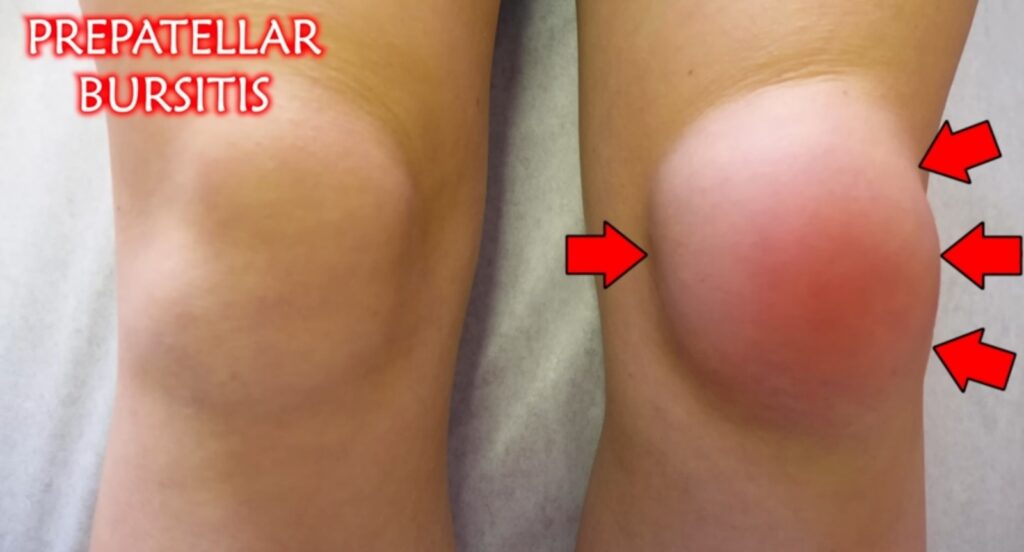
When Swollen Knee Hurt (Prepatellar Bursitis)
If your knee hurt comes with swelling or redness at the front of the knee, it may be due to a swollen bursa, commonly called prepatellar bursitis. This often happens from frequent kneeling on hard surfaces without protection.
How to fix this knee hurt:
- Avoid kneeling
- Apply ice regularly
- Rest the area
If the swelling is severe or red, it’s important to consult a doctor to rule out infection.
Knee Hurt with Lump Below the Knee
If you notice a painful, hard lump just below your knee where the tendon attaches to the shin bone, it could be Osgood-Schlatter condition. Despite the name, it’s not really a disease but inflammation of a growth area.
This type of knee hurt is most common in growing children and teenagers but can continue into early adulthood.
Simple ways to fix and manage it:
- Reduce intense physical activity
- Apply ice to the area
- Allow time for natural healing during growth
When Inner Knee Hurt (Ligament or Meniscus Issues)
If your knee hurt is on the inside of your knee, it could be due to a ligament strain or a meniscus problem.
- Ligament strain: Often caused by the knee bending inward . Rest and ice usually help fix this knee hurt.
- Meniscus injury: You may feel your knee catching, locking, or giving way. It may also be hard to fully bend or straighten your knee.
To check, bend your knee to 90 degrees and press along the joint line (just below the kneecap on either side). Pain in this area may indicate a meniscus issue.
Inner Knee Hurt from Meniscus Injury
If your knee hurt is located along the inner joint line and feels painful when you apply firm pressure there, it could indicate a meniscus injury. This is a common cause of knee hurt, especially if your knee also catches, locks, or feels unstable.
An MRI can help confirm the diagnosis. If the tear is small and located in the outer part of the meniscus (which has better blood supply), it can heal naturally within 4 to 6 weeks.
How to fix knee hurt from a meniscus injury:
- Gentle range-of-motion exercises like heel slides
- Strengthening exercises such as straight leg raises
- Avoid deep or painful movements
In some cases, if a piece of the meniscus is large or does not settle down, minor surgery may be needed to fix the issue.
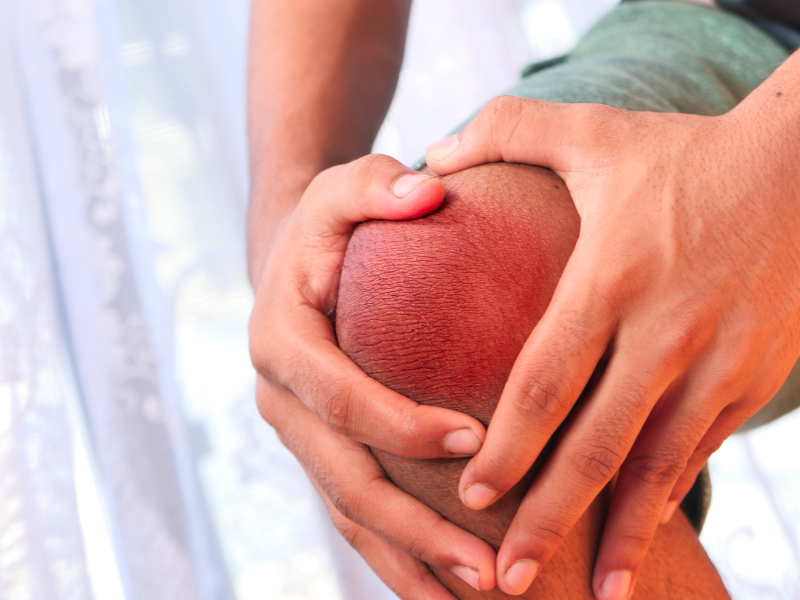
My Knee Hurt from Arthritis
Arthritis is another common reason for knee hurt and can affect almost any part of the knee, though it is more common on the inner side.
Common signs:
- Deep, aching knee hurt
- Stiffness after rest
- Swelling
- Grinding or cracking sounds
- Pain changes with weather
While arthritis cannot be fully cured, you can still fix and manage knee hurt by:
- Doing heel slides
- Performing straight leg raises
- Keeping the knee strong and mobile
When Knee Hurt Below the Inner Knee (Pes Anserine Bursitis)
If your knee hurt is slightly below the inner joint line and a bit forward, it may be pes anserine bursitis.
This condition:
- Causes soreness during activity
- May lead to mild swelling
- Is more common in women and overweight individuals
It often happens when muscles attached to the shin bone become tight or overstretched.
How to fix this knee hurt:
- Apply ice to reduce inflammation
- Reduce strain on the knee
- Address leg alignment issues
When Outer Knee Hurt (IT Band Syndrome)
Outer knee hurt is often caused by tightness in the iliotibial (IT) band, which rubs against the outer knee bones.
Symptoms:
- Pain during running or cycling
- Clicking sensation
- Redness or irritation
- Pain spreading to the outer thigh
How to fix outer knee hurt:
- Reduce high-impact activity
- Apply ice
- Perform outer thigh massage (same as runner’s knee fix)
Relaxing the outer thigh muscles can significantly reduce knee hurt in this area.
When Knee Hurt on Outer Lower Side (Fibular Joint Issue)
If your knee hurt is just below the outer joint line on the small bony area, it may come from the fibular joint, a smaller joint in the knee.
This can happen due to:
- Sitting cross-legged for long periods
- Frequent kneeling
Simple fix:
- Bend your knee to 90°
- Hold the fibular head (small bone on outer knee)
- Gently move it forward and backward for 30 seconds
If this causes pain, stop and use ice instead.
My Knee Hurt Behind the Knee
Pain behind the knee is often due to a strained popliteal muscle, especially if it occurs during downhill walking or running.
How to fix this knee hurt:
- Reduce downhill activity
- Rest the knee
- Wear supportive footwear (especially if you have flat feet)
Knee Hurt with Swelling Behind (Baker’s Cyst)
If you notice a soft, ball-like swelling behind your knee along with knee hurt, it may be a Baker’s cyst.
This usually develops when fluid builds up due to conditions like arthritis or meniscus injury.
- Ultrasound can confirm it
- MRI may be needed to find the root cause
Large cysts may need medical attention if they don’t resolve on their own.
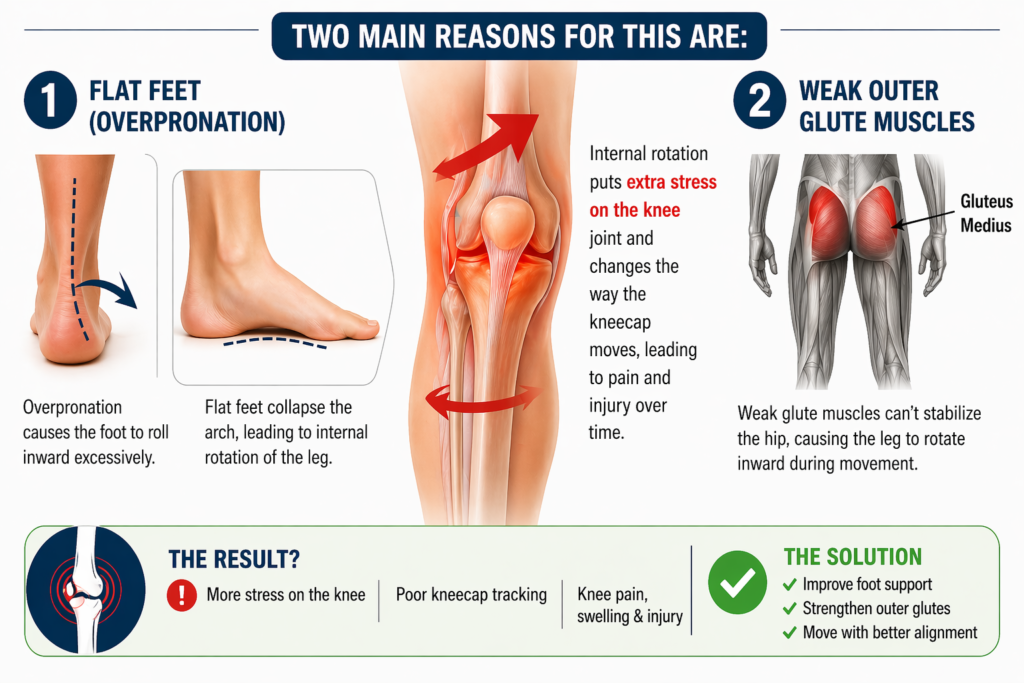
Root Cause of Knee Hurt: Internal Leg Rotation
Many types of knee hurt share a common cause—internal rotation of the leg. This puts extra stress on the knee and affects how the kneecap moves.
Two main reasons for this are:
- Flat feet (overpronation)
- Weak outer glute muscles
How to Fix Knee Hurt by Correcting Leg Alignment
To fix knee hurt long-term, you must address these root causes:
For flat feet:
- Use supportive footwear
- Wear orthotics
- Do foot-strengthening exercises
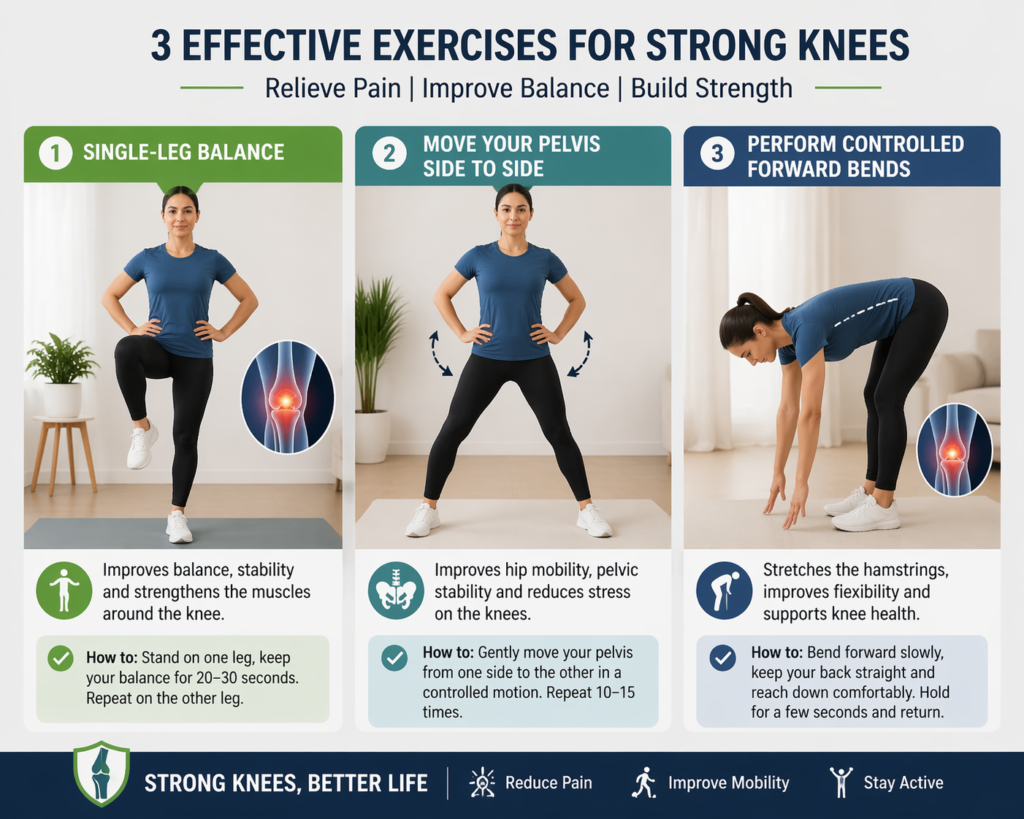
For weak glutes:
- Practice single-leg balance
- Move your pelvis side to side
- Perform controlled forward bends
Strengthening these areas helps align your leg properly and reduces pressure on your knee.
How to Fix Knee Hurt Permanently ?
To truly fix knee hurt and prevent it from returning:
- Strengthen your quadriceps and glutes
- Reduce foot pronation
- Improve movement patterns
- Regularly release tight outer thigh muscles
By combining these steps, you can not only fix knee hurt but also protect your knees for the long term—naturally and effectively.