
5 Effective knee pain exercises at home
Knee pain exercises at home are a simple way to reduce pain, ease stiffness in an aching knee, and improve joint movement. Gentle exercises help activate surrounding muscles and promote the circulation of synovial fluid, which supports smoother and less painful motion.
A common mistake is avoiding movement when the knee hurts. In reality, too much rest can increase stiffness and make discomfort worse. Controlled, guided movement plays a key role in effective pain management and long-term pain relief.
The important part is choosing the right exercises. With proper technique and consistency, you can support your knee, improve mobility, and gradually reduce pain from the comfort of your home.

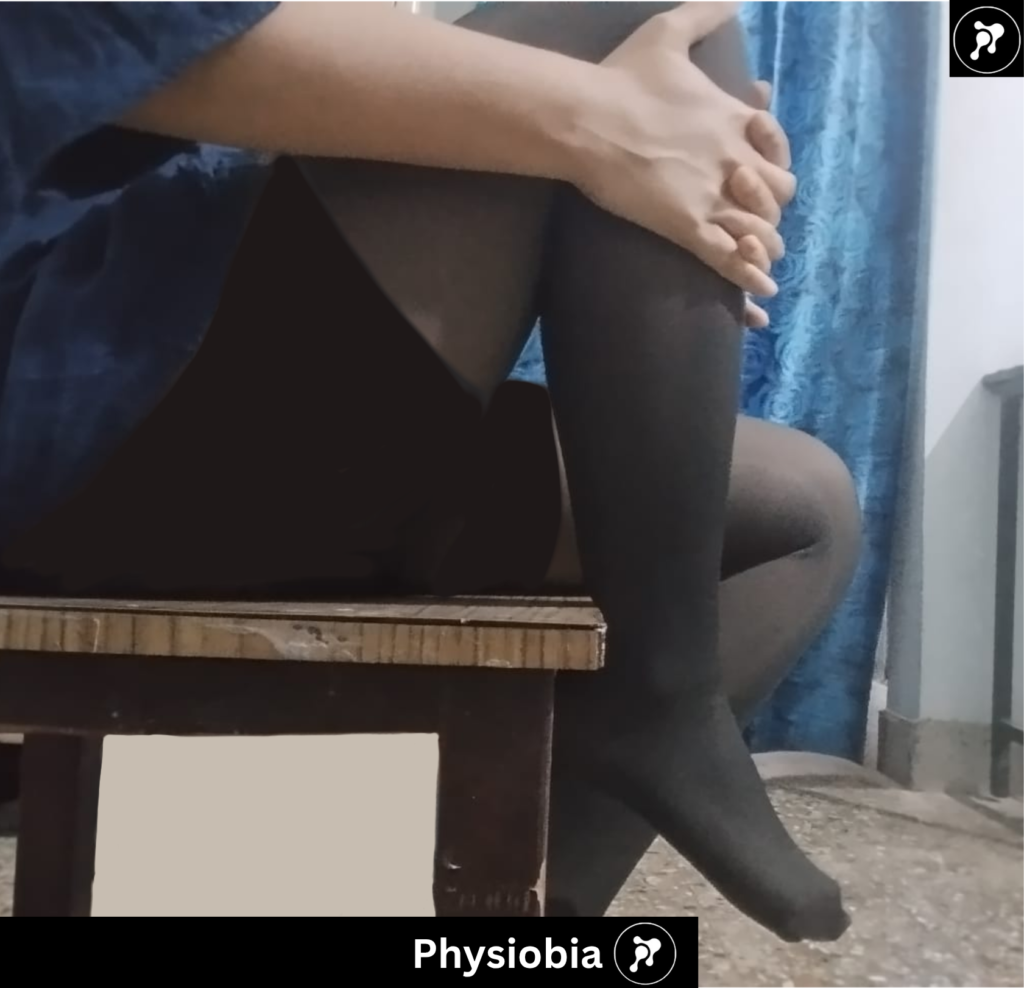
Knee Straightening ( Full knee extension)
Start by sitting at the edge of a chair. These knee pain exercises at home begin with checking your knee movement. Straighten one leg fully and compare it with the other. If your aching knee cannot fully straighten, you need to work on improving that motion.
Gently apply pressure just above the kneecap (avoid pressing directly on it) to help the knee straighten. Mild pain is acceptable, but avoid sharp discomfort. Practice this stretch for 10–15 repetitions, holding 5–10 seconds, once or twice daily for gradual pain relief.

Improve Knee Bending (Flexion)
Sit comfortably and slowly bend your knee back. Use your hands to apply light pressure if needed. Perform 10 repetitions, holding 3–5 seconds, within a comfortable range.
If you feel more pain behind the knee joint, place a small towel behind it to reduce stress. Adjusting hand position can help you achieve better movement with less discomfort, improving overall pain management.
Seated Knee Extension (Long Arc Quads)
While seated, slowly straighten your leg and bring it back down in a controlled manner. This strengthens the thigh muscles and keeps the knee joint active.
Do 10–15 repetitions for 2–3 sets. At the top, pull your toes upward to stretch the calf muscles and enhance pain relief.
Alternative for Severe Pain
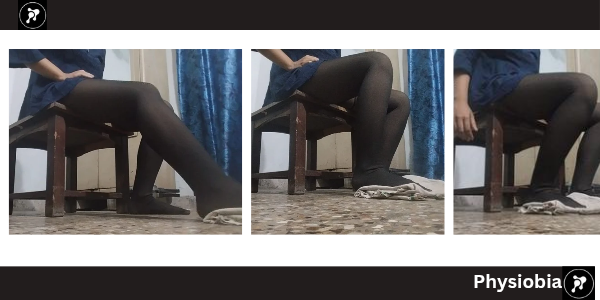
If lifting your leg causes too much pain, try a sliding exercise. Place your foot on a towel on a smooth surface and slide it back and forth.
Perform 10–20 repetitions for 2 sets. This helps maintain motion with minimal stress on an aching knee.
Hamstring Bridges
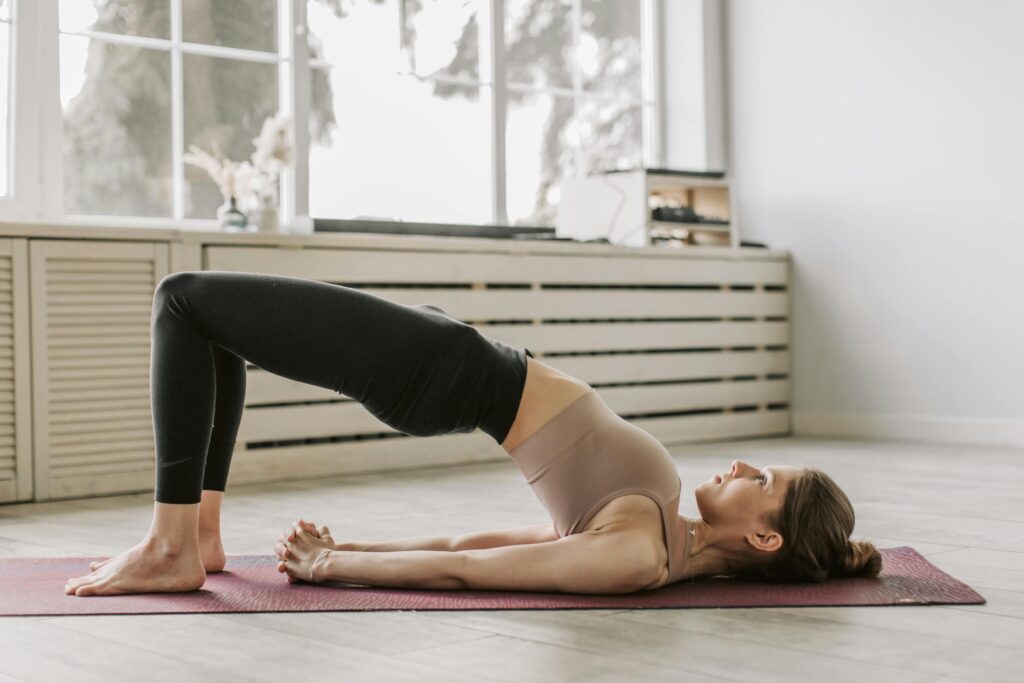
- Lie on back, knees bent
- Lift hips up
Activates glutes → reduces load on knee
Strengthening with Squats
Stand holding a stable surface for support. Slowly lower into a partial squat and return to standing. Only go as low as comfortable—avoid increasing pain.
Aim for 10 repetitions, 2–3 sets per day to improve strength and long-term pain management.

Seated Resistance Exercise
If squats are too painful, use a resistance band while sitting. Place it under your feet and push your legs forward, then return slowly.
Perform 10–15 repetitions for 2–3 sets. You can do one leg at a time if needed for better control and reduced pain. You can scale the pain by Pain scale
To Learn- Pain Scale
These 5 knee pain exercises can help ease discomfort, improve movement, and build strength around the knee joint. In many cases, exercise gives better results when combined with additional care such as physiotherapy treatments, heat or ice therapy, and topical pain-relief products when needed.
Using a warm pack before exercise may help loosen stiff muscles and prepare the knee for movement. Applying a cold pack after exercise can be useful for reducing mild swelling or post-exercise soreness. Some people also use pain-relief creams, gels, or sprays after exercise for short-term comfort.
Practice these exercises with proper form and increase gradually based on comfort. If pain remains, swelling worsens, or walking becomes difficult, seek advice from a qualified physiotherapist or healthcare provider for an individual treatment plan.
Final Advice
Choose exercises that feel comfortable for your knee and stay consistent. Doing these knee pain exercises at home regularly—1 to 2 times daily—can significantly reduce pain, improve movement, and provide lasting pain relief
To Learn About – Why My Knee Hurt and Fix It?