
A substance can be classified as vitamin if it satisfies the two criteria:
- It must be a vital, organic dietary substance, which is neither a carbohydrate, fat, protein, or mineral and is necessary in only very small amounts to perform a specific metabolic function or to prevent an associated deficiency disease, and
- It cannot be manufactured by the body, and, therefore, must be supplied by diet. Vitamins are conveniently classified into two groups on the basis of their solubility into fat soluble and water-soluble vitamins. Fat-soluble vitamins include A, D, E and K. Water-soluble vitamins include the B-group and vitamin C.
Fat-soluble vitamins can be stored in body and hence occasional intake of very high sources may help body tide over periods of low intake. The requirement for fat-soluble vitamins may be met by intake of a precursor or the vitamin itself. Not much of fat soluble vitamins are lost in normal cooking procedure.
Vitamin A
- Vitamin A is found only in animal foods, mainly as retinol. Plants provide source of vitamin A for animals in form of orange-yellow pigments called the carotenoids.
- Vitamin A activity in foods used to be expressed in International Units (I.U.), with following equivalencies
1 IU = 0.3 mcg retinol
1 IU = 0.6 mcg beta-carotene
1 IU = 1.2 mcg other provitamin A carotenoids
Functions
- Normal growth and development
The intake of vitamin A is not sufficient for normal growth, the bones will stop growing, before the soft tissues are affected. This may result in overcrowding of the brain and nervous system, cranial pressure and consequent brain and nerve injury. In some instances pressure on the optic nerve may result in blindness.
- Vision:
Night blindness occurs in severe vitamin A deficiency; it indicates the inability of a person to see at night, when the amount of light is far too little to permit adequate vision.
- Health of Epithelial Tissues:
These tissues cover the outer surface of the body, line the major cavities and all the tubular systems in the body. These are specialised tissues, of which the outer covering is resistant; protective epidermis and the internal tissue is a secretory mucous membrane. Inadequate supplies of vitamin A results in suppression of the normal secretions and produces a keratinized(dry, horny) type of epithelium. The skin may become excessively dry and mucous membrane may fail to secrete normally and hence be prone to bacterial invasions.
Green leafy vegetables are principal dietary source of vitamin K. Deficiency of vitamin K
prolongs clotting time and may result in excessive bleeding after injury. Human babies do not have
reserves of vitamin K at birth and in many hospital it is, therefore, routine practice to give vitamin K to
the expectant mother to prevent excessive bleeding at child birth.
- Immune Response:
Many of epithelial tissues are important barriers to infection. Vitamin A deficiency impairs this function in a non-specific way.Vitamin A also functions in T-cell-mediated responses. Some aspects of the immune response, such as immunoglobulin production, are now known to be affected by retinoids.
- Haemopoesis:
Vitamin A deficiency in man and experimental animals is consistently associated with an iron deficiency types of anaemia. In these conditions, vitamin A is required in addition to iron for a full response.
- Growth:
Retinoic acid is known to play its hormone-like function in control of growth and development of tissues in the musculo-skeletal system, just as it does elsewhere.
Food Sources
Animal foods
Butter, ghee, milk, curds and egg yolk. Liver oils of shark, halibut, cod and saw fish are some of the richest known sources1 of vitamin A. However fish liver oils do not form part of the diet and have to be taken as a supplement.

Vegetable foods
Spinach, amaranth, coriander, and drumstick leaves .Generally, dark green leafy vegetables contain greater amounts of carotene than those which are the light in colour.

Fruite
Ripe fruits such as mango, papaya, and yellow pumpkin.

Recommended Daily Allowances
The daily requirement of an adult for vitamin A is of order of 600 mcg of retinol or 2400 mcg of beta-carotene per day derived from foods of either animal or vegetable origin. The allowance for infants is 350 mcg (about 1400 mcg of beta carotene). The need increases gradually as the child grows to adolescence. No increased allowance during pregnancy is recommended but allowance is increased to 950 mcg or 3800 mcg of beta-carotene during lactation. This is in conformity with the FAO/WHO recommendations.
Effect of Deficiency
- The deficiency results in growth failure, affects the vision, the skin and the immune function adversely.
- Impaired ability to see in dim light (dark adaptation); the next stage is inability to see normally in dim light which is known as night blindness or nyctalopia
- Dryness of lining of eyelids and eyeball (conjunctiva). A later and
more severe stage of deficiency is xerosis (dryness) of cornea. The cornea becomes dry and loses its transparency (xerophthalmia). - The skin changes include dryness, wrinkling, slate gray discolouration and
thickening of the outer layer (hyperkeratosis). The hair may lose lustre. - There is a noticeable shrinking, hardening and progressive degeneration of epithelial cells, which increases susceptibility to severe infections of eye, the nasal passages, sinuses, middle ear, lungs and genitourinary tract.
Over dosage
An over dosage of vitamin A may cause serious injury to health. Self-administration of highly potent concentrates is likely to cause serious condition from which recovery is slow. Some of the symptoms of over dosage are irritability, headache, nausea and vomiting. Symptoms subside gradually on stoppage of intake of vitamin A.
Vitamin D
Pure vitamin D was isolated in crystalline form in 1930 and was called calciferol. Vitamin D is now considered pro-hormone than vitamin. Vitamin D is sometimes called ‘sunshine vitamin’ because body is able to the convert precursor 7-dehydrocholesterol, sterol present in skin, to vitamin D in presence of sunlight. It can be synthesised in body in adequate amounts by simple exposure to sunlight even for five minutes per day.
Vitamin D activity is shown by a group of chemical substances called sterols, which are wax like
substances. These compounds are insoluble in water, but are soluble in the fats. They are stable to heat, acids, alkalies and oxidation.
Functions
Vitamin D performs several important functions in body. These include:
- Absorption of calcium and phosphorus: calcitriol, hormone, is an activated form of vitamin D. It acts with two other hormones (the parathyroid hormone and the thyroid hormone
calcitonin) and stimulates absorption of calcium and phosphorus in the small intestine.
Without the presence of vitamin D formation of strong and rigid bones is not possible. - Bone mineralization: The bone tissue formation from calcium and phosphorus and other materials is regulated by calcitriol. It regulates the rate of deposit and resorption of these mainerals in bone. This balancing process helps to build and maintain bone tissue. Vitamin D hormone can be used to treat rickets in children and osteoporosis (bone loss) in older women.
Food Sources
- liver, egg yolk, milk and milk fat (butter and ghee), obtained form animals fed on pastures exposed to sunlight.
- The richest sources known is fish liver oils, such as halibut, cod, shark and sawfish. Fish liver oils do not form part of the diet and have to be taken as a supplement.

Effect of Deficiency
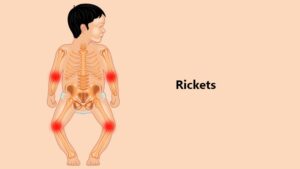
- ‘Rickets’
This leads to a condition in children known as ‘rickets’ which is characterised by poor growth and bone deformation such as bowed leg, beaded ribs, enlarged joints and skull deformation.
Osteomalacia
A condition similar to rickets may develop in adult women due to lack of vitamin D. This deficiency disease is common in north India and Pakistan especially among women who have had many pregnancies and have nursed their children for long periods.

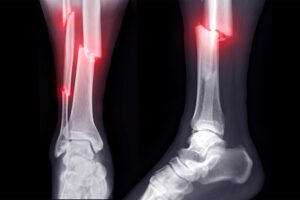
- Fracture
The bones may become so weak that they may not bear the weight of their bodies and may bend or break.
Over dosage
- Irritability
- Nausea
- Vomiting
- Constipation
Vitamin E
Vitamin E or alpha-tocopherol is a fat-soluble vitamin. No definite proof of vitamin E deficiency in human beings has been established.
Functions
- The main function of vitamin E, tocopherol, is its ability to prevent tissue breakdown, by virtue of it’s antioxidant nature
- Vitamin E protects the cell membrane fatty acids from damage by interrupting this oxidation processd carotene in the digestive tract and to regulate the rate of oxidation of foods inside the body.
Selenium is a trace mineral that works as a partner with vitamin E as an anti-oxidant.
There is a paucity of Indian data both on vitamin E (tocopherol) content of foods and on
vitamin E status. Limited information suggests that Indians have blood levels of 0.5 mg/kg/ml which is
considered as satisfactory.
Food Sources
- leafy vegetables, Cereals, milk, muscle meats, eggs, and fish.
- Vitamin E requirement is linked to that of essential fatty acids (linoleic and linolenic acids). The requirement of the vitamin E suggesed is 0.8 mg/g of essential fatty acids
Vitamin K
Phylloquinone is major form of vitamin K found in plants. It is also the form found in our dietary
function
Blood-clotting :It is essential for formation of prothrombin by liver. Prothrombin is a normal constituent of blood and helps clotting of blood on contact with air .
Food Sources
Green leafy vegetables are principal dietary source of the vitamin K. Deficiency of vitamin K prolongs clotting time and may result in the excessive bleeding after an injury. Human babies do not have reserves of vitamin K at birth and in many hospital it is, therefore, routine practice to give vitamin K to expectant mother to the prevent excessive bleeding at child birth.