Table of Contents
What is protein?
Proteins are present in all living tissues, both plant and animal. They are essential to life because vital parts of the nucleus and protoplasts of every cell are proteins.
Composition of Proteins
Proteins are very large organic compounds. Proteins, like carbohydrates and fat, contain carbon, hydrogen and oxygen. In addition, proteins contain about 16 per cent nitrogen, which is their unique feature and the distinguishes them from carbohydrates and fats. Some proteins also contain sulphur and sometimes phosphorus, iron and cobalt. Proteins are more complex than fats and carbohydrates, as the size of molecule is large and there is a great variation in the units from which it is formed.
Structure of proteins
- All proteins in our body and food are built from basic units or compounds known as amino acids.
- Amino acids combine to form proteins by means of a peptide bond, which joins a carboxylic carbon of one amino acid with nitrogen of another.
- The proteins are amphoteric in nature due to presence of a free acid and a free amino group in their molecule.
- Polypeptides thus formed constitute the primary structure of proteins.
- The secondary structure formed by linking several polypeptide chains may be helical, pleated or random coils.
- More complex proteins have a tertiary structure in which the polypeptide chain is wound into a globular form
Classification of proteins
Simple proteins
Simple proteins yield only amino acids on hydrolysis. Albumins, globulins, glutelin’s, prolamins and albuminoids are simple proteins
Albumins and globulins, which are soluble in the water and salt solution are present in the animal fluids (milk, blood, plasma). Those which are less soluble are present in tissues (muscle, protein, myosin).
Conjugated proteins
Conjugated proteins are combinations of simple proteins with non-protein substances. The combinations result in formations, which are functionally very important to body. Conjugated proteins include:
- Lipoproteins (proteins + lipids) found in blood plasma (HDL, LDL, VLDL, etc.)
- Nucleoproteins (proteins + nucleic acids) found in cells (RDA, DNA).
- Mucoproteins and glycoproteins (proteins + polysaccharides) found in gastric secretion
(mucin). - Phosphoproteins (proteins + phosphoric acid) are found in milk, e.g., casein.
- Metalloproteins (proteins + metals) are found in ferritin, hemosidirin.
Function of protein
- Body-Building or Building of New Tissues
- Maintenance of tissues
- Regulatory Functions
- Proteins as Precursors of Enzymes, Hormones and Antibodies
- Transport of Nutrients
- Special Functions of Amino Acids
- Tryptophan serves as a precursor for the B-vitamin niacin and serotonin, a neuro-transmitter
- Glycine, a simple ubiquitous amino acid is used in synthesis of porphyrin nucleus of the haemoglobin.
- Histidine is used in the synthesis of histamine used as a vasodilator in the circulatory system
- Glutamic acid is a precursor of a neuro-transmitter
- Phenylalanine is a precursor of tyrosine and together they lead to formation of thyroxine and epinephrine.
Proteins provide the amino acids needed for the formation of new cells. They also provide material from which nucleic acids are formed, e.g., DNA and RNA, which carry the genetic code.
The amount needed at various stages of life varies with rate of growth. Infants need more proteins per unit of body weight than adolescents, because the rate of growth is the highest during infancy. More protein is needed in last part of pregnancy as compared to first part
Proteins in the body tissues are not static; they are constantly being broken down and replaced by new protein synthesised from amino acids from dietary and tissue sources.
For example, the lining of the intestinal tract is renewed almost everyday and a half; the protein in liver and blood plasma is broken down and remade every six days, blood cells have life span of 120 days and adequate replacement must be supplied to avoid anaemia
Haemoglobin, a protein and iron complex, ensures smooth running of respiratory cycle by being vital oxygen carrier in red blood cells.
A small amount of protein (or of amino acids) is needed for synthesising enzymes, hormones and antibodies.
Proteins as lipoproteins transport triglycerides, cholesterol, phospholipids and fat soluble vitamins across the cell wall. Specific protein carriers ensure transport of many vitamins and minerals. Albumin carries free fatty acids, bilirubin as also many drugs
Food sources of protiens
Plants
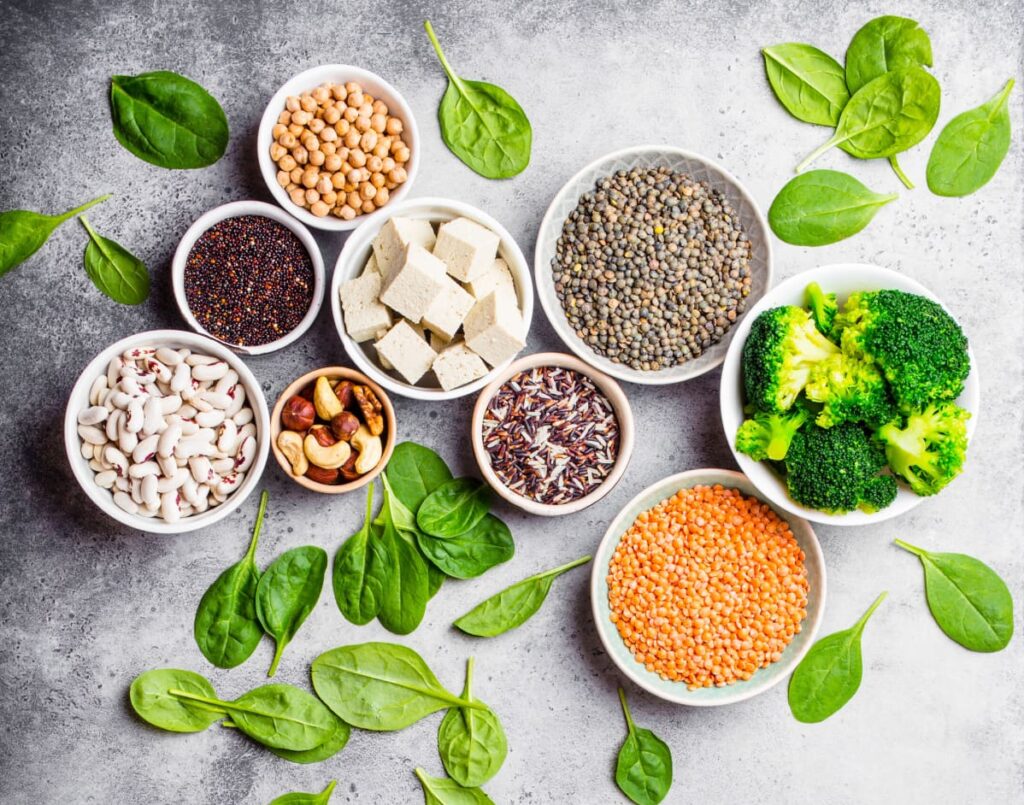
Plants are the primary source of the protein, because they can synthesise protein by combining
nitrogen and water from the soil and carbon dioxide from the air. Animals depend on plants to fulfill
their protein requirement.

Cereals and their products
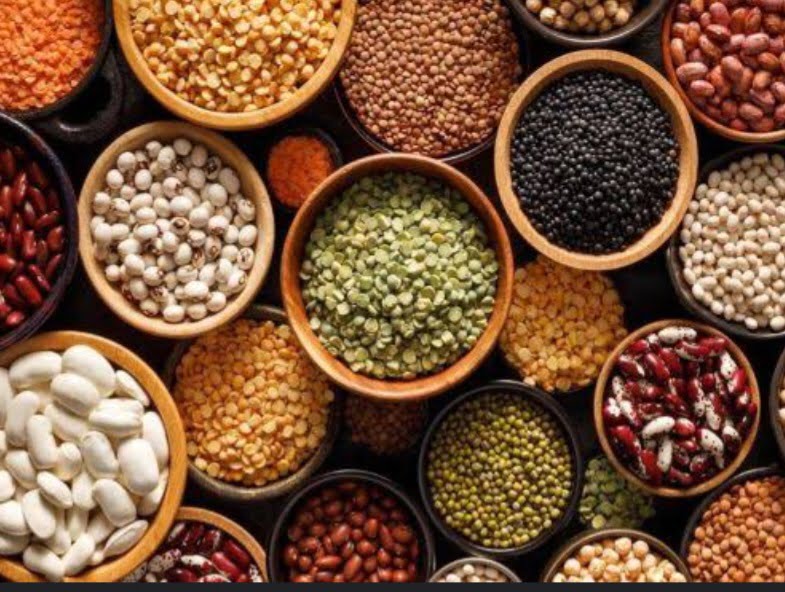
Cereals and pulses, when cooked in water, supply only one-third or less of protein present in the raw foods, as these foods absorb at least two times their weight of water
Eggs, meat and fish
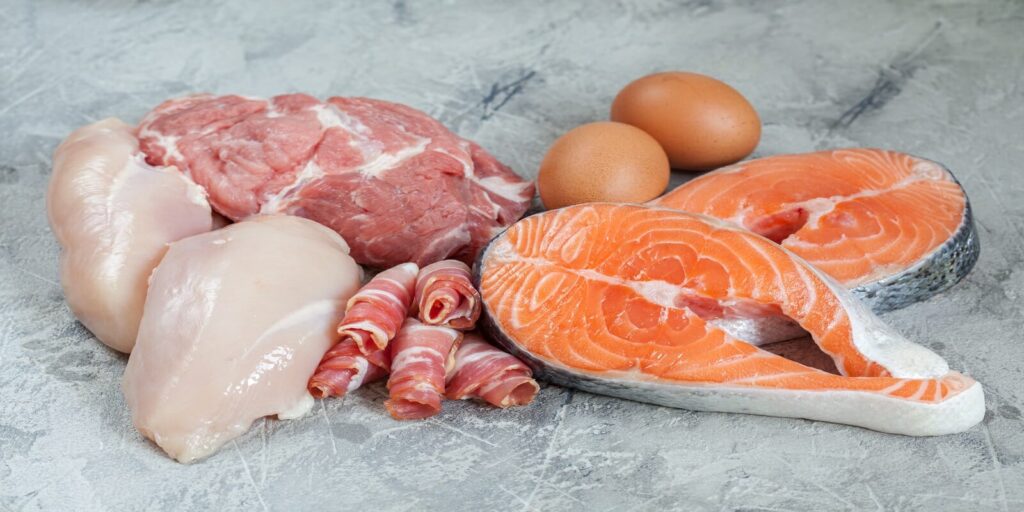
There is no increase in weight of milk, eggs, meat and fish during cooking. Therefore, there is likely to be very little decreases in the amount of protein supplied by these foods when cooked.
Milk and milk products
Milk is one animal food, which is accepted and included in menus for feast as well as fast. The quantity of milk included depends on the availability and cost.

Dry, salted or smoked fish and meat
Dry, salted or smoked fish and meat are inexpensive concentrated sources of protein. These contribute valuable protein in the diet of people from coastal regions.

Deficiency of Proteins
Latent stage: The deficiency of proteins accompanied by that of energy is one of the most
common nutritional deficiencies in India. In the early stages, it may not be noticed. Research reports indicate that animals on low protein diets tend to be small, but their functioning is not affect.
Children tend to have retarded growth but this may not be noticed, if all children from the neighbourhood are of small stature due to protein deficient dietary. Further it may also result in thin, lanky bodies in
teens.
Protein deficiency during pregnancy may result in stress, which could give rise to complications such as vomiting, swelling of feet, etc. In children, lack of protein in the diet results in stunted growth and low weight.
Severe Deficiency: If there is severe deficiency of protein in the first two years of life, it could affect mental development, learning ability and behaviour.
In India and other tropical developing countries, protein-energy malnutrition (PEM) is a common disorder during childhood. When the child is weaned, the diet often does not contain an adequate quantity and quality of protein which results in deficiency diseases. When an infant is fed high carbohydrate low protein foods such as ogi (corn starch porridge) as in West Africa, kwashiorkor, a typical protein deficiency condition occurs. When both protein and calorie are very low in the diet, nutritional marasmus could occur. In other words, kwashiorkor is a deficiency disease due to severe lack of protein but nutritional marasmus is due to sheer starvation.