
How to find polio vaccine near me?
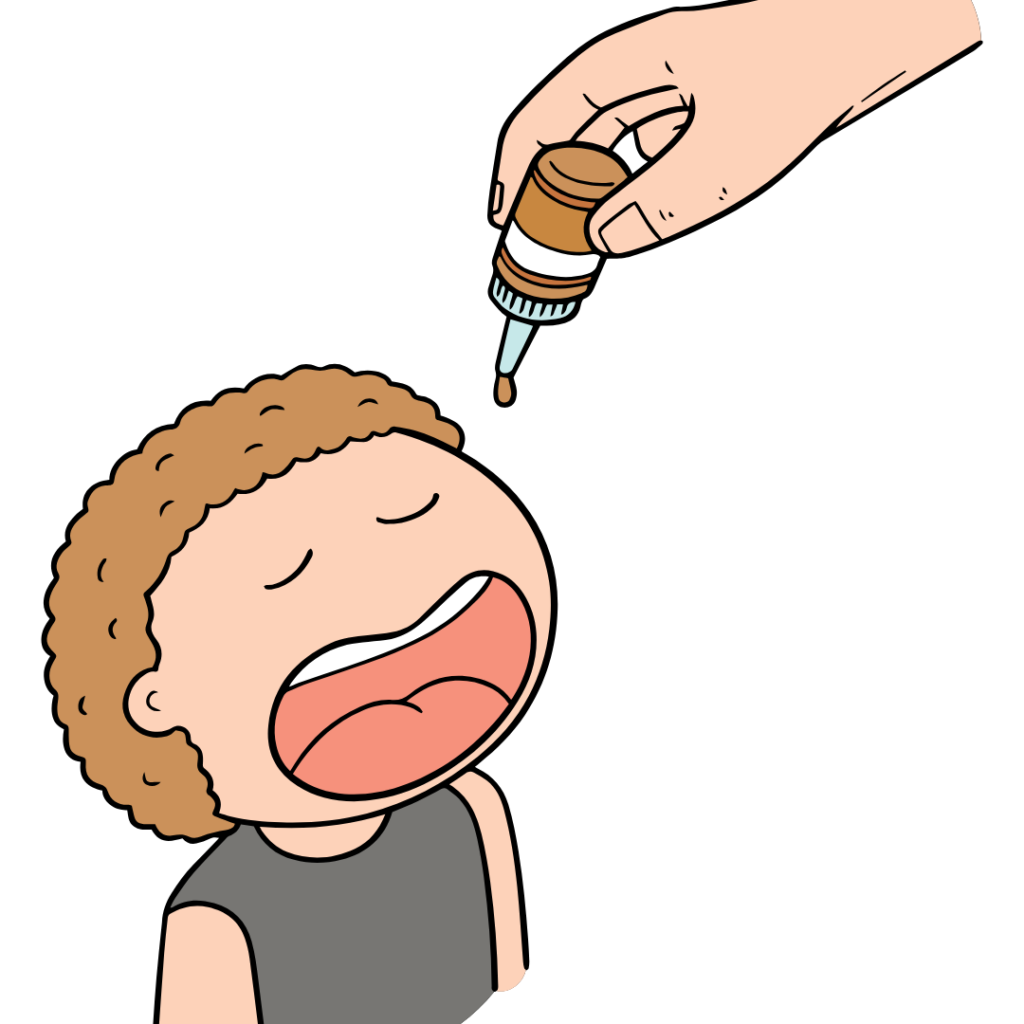
Table of Contents
Let’s answer your question
How can I find a polio vaccine near me?
Every nation has its specific ways to distribute the polio vaccine. Let’s understand all the ways used all over the world to distribute the Polio vaccine.
Contact Local Healthcare Providers
The fastest way to find a polio vaccine near you is by contacting local healthcare providers. Here’s how:
Primary Care Physicians: Your doctor may provide the vaccine themselves, or they can guide you to a nearby clinic.
Local Hospitals: Government-managed. Many hospitals offer routine vaccinations in their outpatient departments free of cost. For example, in India, People can get the polio vaccine in Government hospitals.
Pediatricians: If you’re looking for a polio vaccine for your child, a pediatrician’s office is a great place to start.
Visit Your Nearest Pharmacy
In the U.S, many pharmacies now offer vaccinations, including polio vaccines. Large pharmacy chains such as CVS, Walgreens, and Rite Aid often carry routine vaccines. Call before you visit a pharmacy to confirm availability and whether you need an appointment.
Use Online Vaccine Locators
Several online platforms and websites help users find nearby vaccination centers.
In the U.S, websites such as Vaccines.gov allow users to search for vaccines by zip code.
World Health Organization (WHO) – Vaccination Schedule for Poliomyelitis. Access it here: https://immunizationdata.who.int/global/wiise-detail-page/vaccination-schedule-for-poliomyelitis
European Centre for Disease Prevention and Control (ECDC) – Vaccine Scheduler. Explore the scheduler here: https://vaccine-schedule.ecdc.europa.eu/
Our World in Data – Polio Vaccine Schedule. View the data here: https://ourworldindata.org/grapher/polio-vaccine-schedule
For International Travelers, specifically use this page, which outlines polio vaccination recommendations. Learn more here: https://www.cdc.gov/polio/vaccines/international-travelers.html
Check with Government Schools and Universities
Pulse Polio Immunization Programme, launched in 1995, in which several governments participated, schools are the ones who deliver the Oral polio vaccine, aimed to vaccinate all children under five years of age. Mission Indradhanush, launched in 2014, aimed for immunization coverage for all children and pregnant women. These Government schools frequently host these immunization sessions yearly basis all over India.
Government campaigns are organised in these schools for walking aids and physiotherapy management (regular check-up) for people suffering from post-polio syndrome.
Social Media and Community Forums
With the growing usage of social media and forums. It has become the fastest way of spreading information to the community. Vaccine availability g Join local community groups on Facebook, Reddit, or neighborhood apps like Nextdoor to ask about nearby vaccination sites.
Ask Your Employer
For workplaces, a separate program was introduced, said to be the workplace vaccination program. Some workplaces, like health care and education, offer polio vaccinations.
Red Cross or UNICEF
Organizations like the Red Cross and UNICEF support vaccination programs worldwide. In some countries, they provide polio vaccines directly or work with local health departments to ensure vaccine availability.
All thanks to multiple available resources, which make finding a polio vaccine near you is easier than ever. Whether it is through local healthcare providers, pharmacies, government websites, or community programs, there are many ways to access the polio vaccine. Staying up to date and aware of vaccinations not only protects you but also helps prevent the spread of the disease, contributing to global eradication efforts.
If you’re unsure about where to start, a quick call to your doctor or local health department can provide immediate guidance. Make sure to verify availability, cost, and appointment requirements before visiting a vaccination site. By taking these steps, you can ensure you and your loved ones stay protected against polio
Are vaccines safe and always effective?
Like all medicines, vaccines can have adverse events. However, because vaccines are given as preventive measures mostly to healthy individuals, especially infants and children, a highly positive benefit–risk profile is essential. However. Despite the recent successful developments in vaccine design, no vaccine provides an absolute or lifelong protection for all vaccinated individuals. . In some cases, vaccines fail to induce a protective immune response. But the success rate is much higher that it has eradicated from some countries too.
What are the two types of Polio vaccine?
There are two kinds of vaccines given to Young children and adults
- Inactivated poliovirus vaccine (IPV): The first IPV vaccines tested in the Francis Field Trial collectively protected approximately 70% of children from paralytic poliomyelitis following 3 doses given within 5 weeks. The immune response to IPV depends on the number of doses, the interval between doses, and the presence of maternally antibody can inhibit the immune responses of infants up to 6 months of age.
- Oral poliovirus vaccine (OPV): In 1961, OPV was developed by Albert Sabin. It was a live attenuated vaccine given as oral drops. The oral poliovirus vaccine is the best choice for many nations’ immunization programs.
The World Health Organization (WHO) and the Centers for Disease Control and Prevention (CDC) recommend polio vaccination for children and certain adults who are at risk.
The most frequently ask question is How can i find polio vaccine near me ?
History of the Polio vaccine
Polio, or poliomyelitis, is a highly contagious viral disease that can lead to paralysis or even death in severe cases, most commonly affecting young children. This makes people physically, emotionally, and mentally very weak.
In the late 19th century, there was an outbreak of Polio affecting people throughout the world. The United States saw 20,000 cases of paralytic polio, which was a rate of 13.6 cases per 100,000 people. where 3,145 people died, and 21,269 were left with mild to disabling paralysis. In the 1940s and early 1950s, polio epidemics were nearly annual in Western Europe, New York City, and North America—people who survived the pilio but face lifetime consequences. Deformed limbs make them dependent on crutches, Wheelchairs for life.
By the mid-20th century, there was an emergency need for vaccines, epidemics rising with no cure, killing or paralyzing people every year.
Today, polio has been largely eradicated in many parts of the world. “Thanks to vaccines”, Jonas Salk was who developed the first polio vaccine in 1955, and Albert Sabin developed the oral polio vaccine in 1961.
Before searching for a vaccine, it is important to understand why it is necessary. The polio vaccine helps prevent the spread of the poliovirus and protects individuals from severe complications such as paralysis. The World Health Organization (WHO) and the Centers for Disease Control and Prevention (CDC) recommend polio vaccination for children and certain adults who are at risk.
Refrences
- Polio through history- http://britannica.com/science/polio/Polio-through-history
- A crippling and life-threatening disease— https://www.who.int/news-room/spotlight/history-of-vaccination/history-of-polio-vaccination#:~:text=In%20the%20late%2019th%20and,the%20disease%20faced%20lifelong%20consequences.
- History of Polio – https://iple.unicef.in/pages/history.html#:~:text=In%201955%2C%20the%20campaign%20bore,most%20national%20immunization%20programmes%20globally.
- Vetter V, Denizer G, Friedland LR, Krishnan J, Shapiro M. Understanding modern-day vaccines: what you need to know. Annals of medicine. 2018 Feb 17;50(2):110-20.
- Modlin JF, Bandyopadhyay AS, Sutter R. Immunization against poliomyelitis and the challenges to worldwide poliomyelitis eradication. The Journal of infectious diseases. 2021 Oct 1;224(Supplement_4):S398-404.
- Voorn EL, Koopman FS, Brehm MA, Beelen A, De Haan A, Gerrits KH, Nollet F. Aerobic exercise training in post-polio syndrome: process evaluation of a randomized controlled trial. PLoS One. 2016 Jul 15;11(7):e0159280.