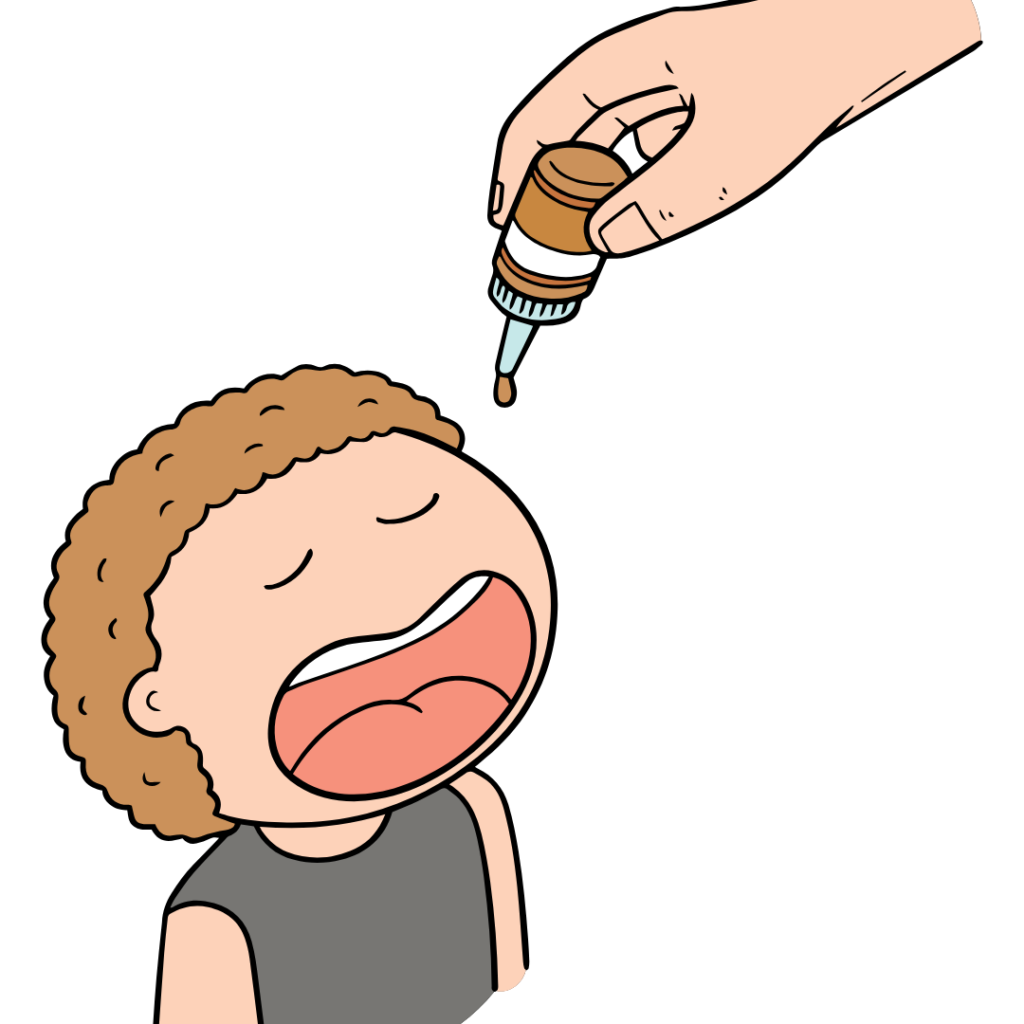
What is Polio?
Polio or Poliomyelitis is a viral infection of nerve cells in the anterior gray matter of the spinal cord or cranial nerve nuclei in the brainstem, which can lead, in many cases, to temporary or permanent paralysis of muscles that they activate.
Polio is caused by poliovirus, an enterovirus named because of its ability to multiply in the gastrointestinal tract. The infection occurs by ingestion, and the organism infects the epithelial cells in the mucosa of the gastrointestinal tract and the submucosal lymphoid tissue of the tonsils. While an infected patient may remain asymptomatic, about 5% of cases develop
The first Polio was reported in England by Michael Underwood, in 1789. Michael identified a case of a child with weakness and paralysis of their lower extremities. Towards the end of the 19th century epidemic of polio was observed in various parts of the world such as Scandinavia, Western Europe, and the United States. By the year 1950s and 1960s spreading frequency and its magnitude grew rapidly. 1955 was the year in which the first vaccine for polio was developed by Jonas E. Salk. he used killed or inactivated poliovirus (IPV) for vaccine development.
A plan was made in 1962 to eradicate polio by the introduction of trivalent Sabin oral vaccine (OPV) . Currently, the wild poliovirus have decreased by over 99% since 1987.
Physiotherapy Management of Polio
Physiotherapy management for polio involves a multidisciplinary approach to address the various symptoms and challenges faced by individuals with polio. The treatment involve individualize treatment approach, according to patient’s specific needs, preferences, and response to interventions.
The Goal Physiotherapy treatment of paralytic polio Patients involves:
- The use of all measures to save life of the patient.
- Maintenance of weak muscles in as good condition as possible.
- Immediate recognition and treatment of medical complications.
- Prophylaxis and therapy of emotional disorders.
- Surgical treatment of correctable defects.
- Social, economic occupational, and physical rehabilitation.
- Physiotherapy and occupational therapy
Acute( Stage I)
In the Acute stage of polio, the priority is set to cure the headache, pain in the back, and leg spasms.
- The child is rested in bed with a firm mattress.
- The back is supported at lumbar region by a board and so are the paralyzed limbs
- Sister Kenny’s hot moist towels to the affected muscles produce considerable relief from the pain. Analgesics like paracetamol may be used to the relieve pain.
- Feet are supported by rigid boards in padded KAFO with 900 FDS. if the back is weak, early spinal bracing is indicated.
- Knees and hips are mildly flexed and arms are positioned in abduction with mild support. • The therapist puts joints through full range of motion once a day.
- Nurses are instructed to make the severely paralyzed patient lie face down with extended hips every 2 hours to prevent pressure sores and deformities.
Every patient thought to have non-paralytic polio should have a careful assessment of muscle function after recovery. Weak muscles must be maintained in as good condition as possible until neural function returns; time, degree, and extent of resumption of function are unpredictable, but treatment should be continued for at least 2 years.
Convalescent Stage (Stage II)
Modes of treatment
- Sitting up can be encouraged in the early stages if paralysis is not very severe.
- Supported sitting in a padded chair.
- Parallel bar, wheelchairs, and orthosis.
- Faradic stimulation
- Passive, active assisted to active resisted exercises, Strength training , sitting balance training standing balance, walking training
- Hydrotherapy
Rehabilitation (Stage III)
Duties
Rehabilitation Professionals must believe that the patient can be very severely disabled and yet can still be fully rehabilitated into the community, especially if relatives and friends are prepared to help.
Taking the help of friends and family the severely disabled patient can be taught to be as independent as possible and take care of washing, dressing, feeding, and attending to his toilet needs. They should know that this may need modifications to his clothes, cooking, and bathroom appliances, a simple change that is not very expensive but that can make a shift from dependence to independence.
Orthotic Prescription
The Therapist should prescribe a Special orthotic. In case of minor deformity, the orthoses may be fit with the limb in corrected position. Bilateral KAFO or HKAFO should not be prescribed without testing power of upper limbs and grip
Limitation: Orthosis cannot be given when there is a major deformity, so the orthotic should only be used when it is advised by a professional therapist.
ADL’s Training and Occupational therapy
Washing and toilet: Supporting rails, bath or shower seats, and adjustments to the height of the washing bowl, basin, or bath. A rubber mat in bath and on the floor can often save a fall.
Dressing: This may mean experimenting with special clothes, zip fasteners, Velcro fastenings, and similar attachments to clothes and appliances. Housing, domestic aids, and furniture have to be modified for severely disabled patients.
Transport: Wheelchairs must be strong enough for rough roads and be patient-propelled whenever possible. Tricycles are very commonly used in rural India. Motorized wheelchairs, and cars with special controls, are available for more wealthy patients.
Education: It is in short supply in India where families are large and money is scanty. It is not surprising that so many disabled children are left uneducated.
In the cases of a physically disabled child suffering from Polio, who may have to earn a wage more by brain power, education is even more important than in the physically normal child.
School for Severely Disabled Children
The very severely disabled require polio clinic with extra staff to look after them, and extra care with both their education and their daily needs. The school building must be housed on the ground floor, and no discrimination should be meted out to the person with a disability. Education can also be given in normal schools with mild changes to toilets, seating arrangements, and ramps.
Prevention Methods
Every Treatment given to Polio patient is a Symptomatic management approach . It simply mean that their is no permanent treatment of polio can prevent or reverse, only the quality of life can be improved through symptomatic management.