MMT of Forearm & Wrist

Table of Contents

MMT(manual muscle test) of  forearm are recorded as numerical scores ranging from zero (0), which represents no activity, to five (5), which represents a “normal” or best-possible response to the test or as great a response as can be evaluated by a manual muscle test.

The supination and pronation are covered here if you want to see other the MMT of the shoulder joint such as shoulder flexion and shoulder extension then visit other posts too. 


Supination

During MMT of  Forearm, the  Primary muscles involved in the supination are the Supinator and biceps brachii.

Active Range of Motion : 0 to 90 degrees
Prime Movers: Supinator, Biceps brachii

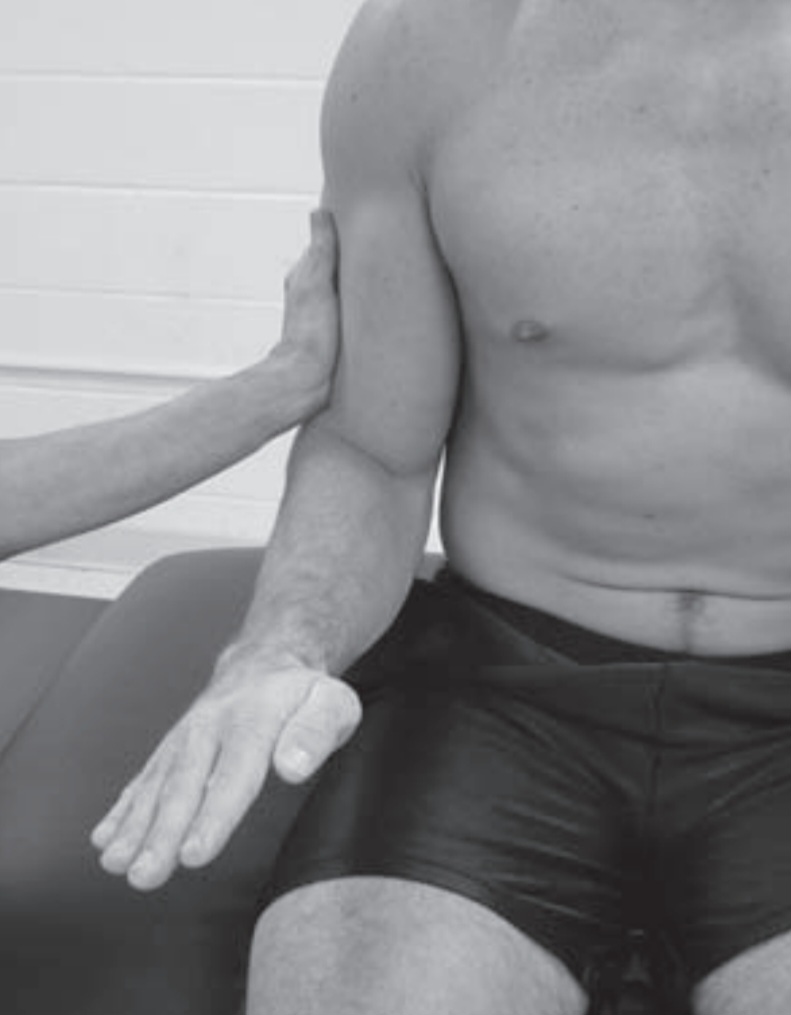
Grades 5/5 to +3/5

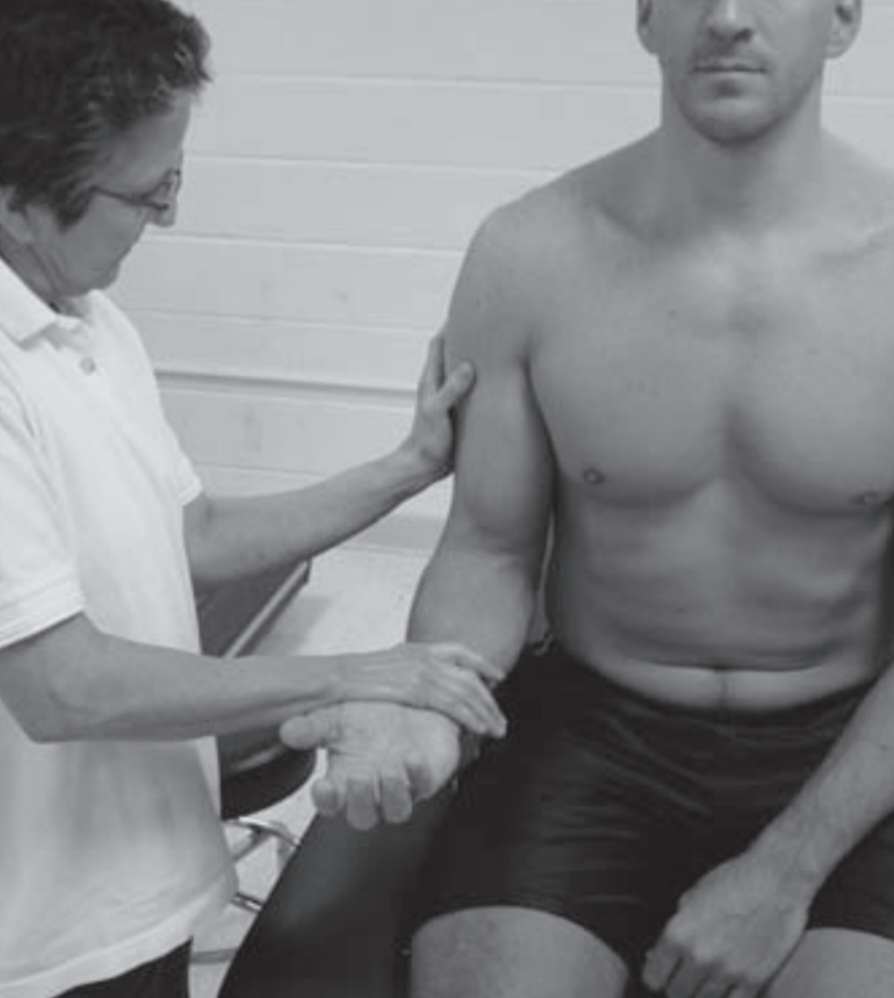
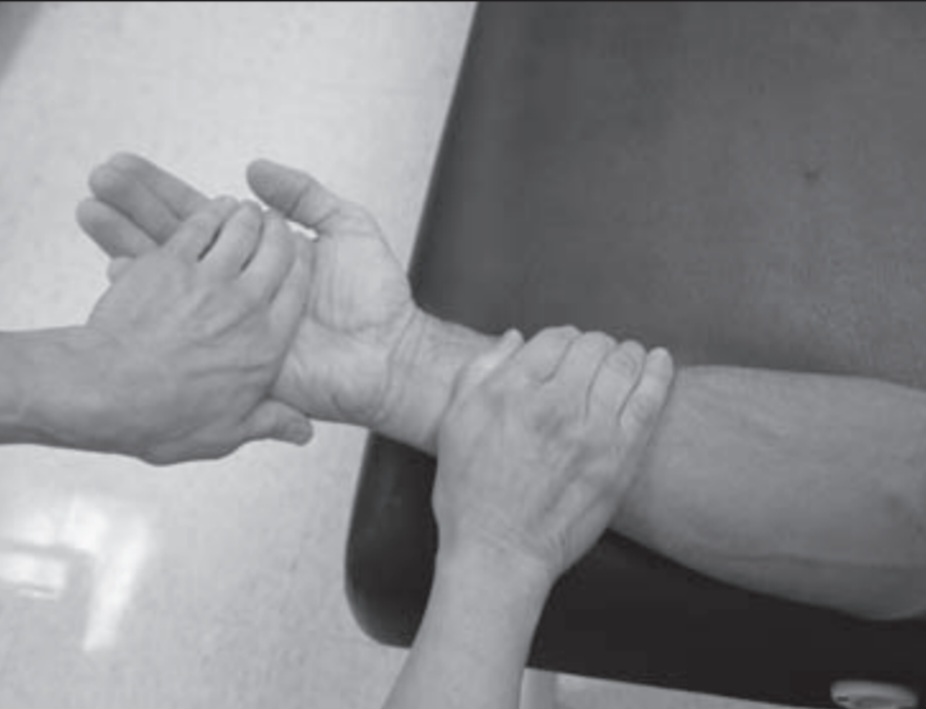
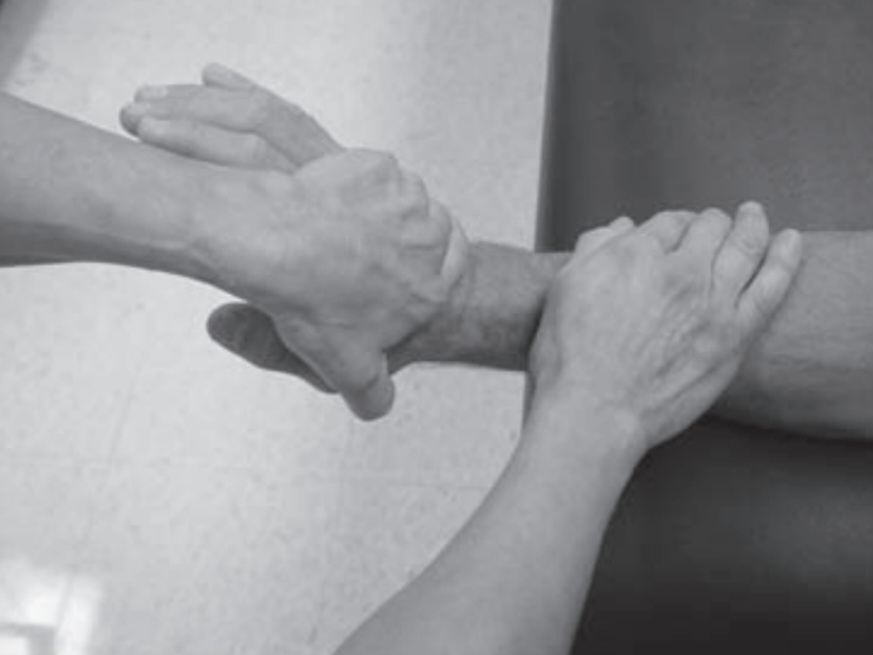
Subject position: Sitting with the arm at the subject’s side, elbow flexed to 90 degrees, and the forearm in pronation. The fingers should be relaxed.
Stabilization: The clinician stabilizes the upper arm against the trunk.

Resistance is applied to the wrist proximal to the joint line into pronation.

Supination Grades 5/5 to +3/5 of MMT of forearm

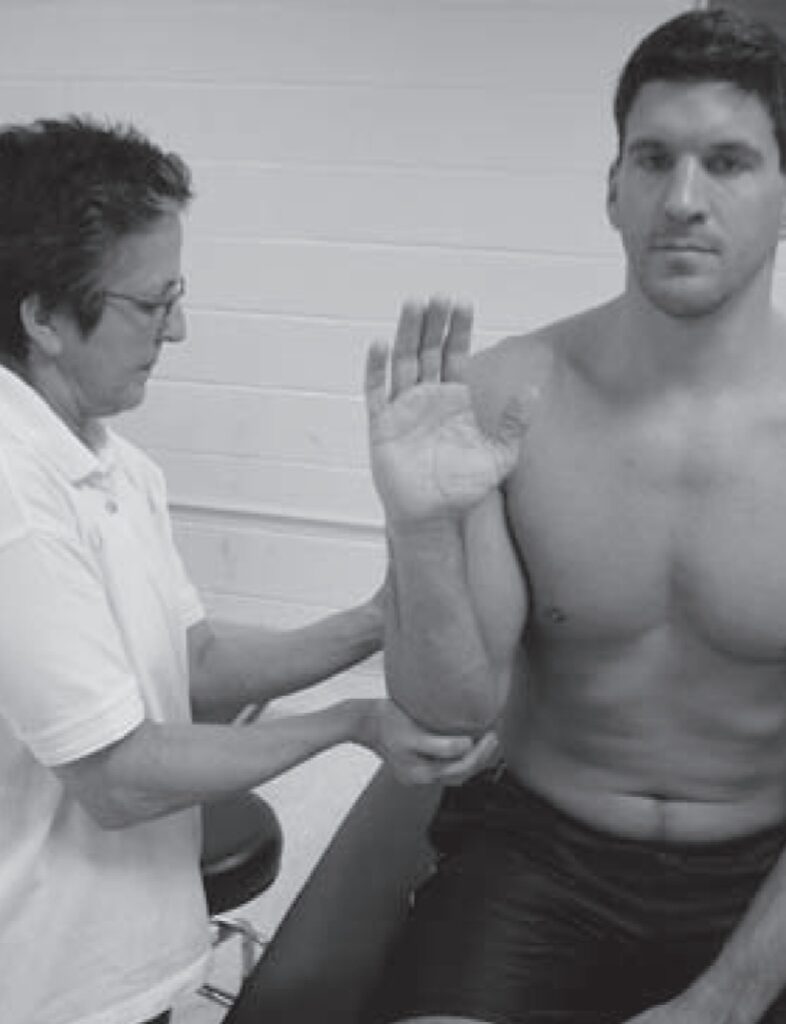
Grades 3/5 to +2/5

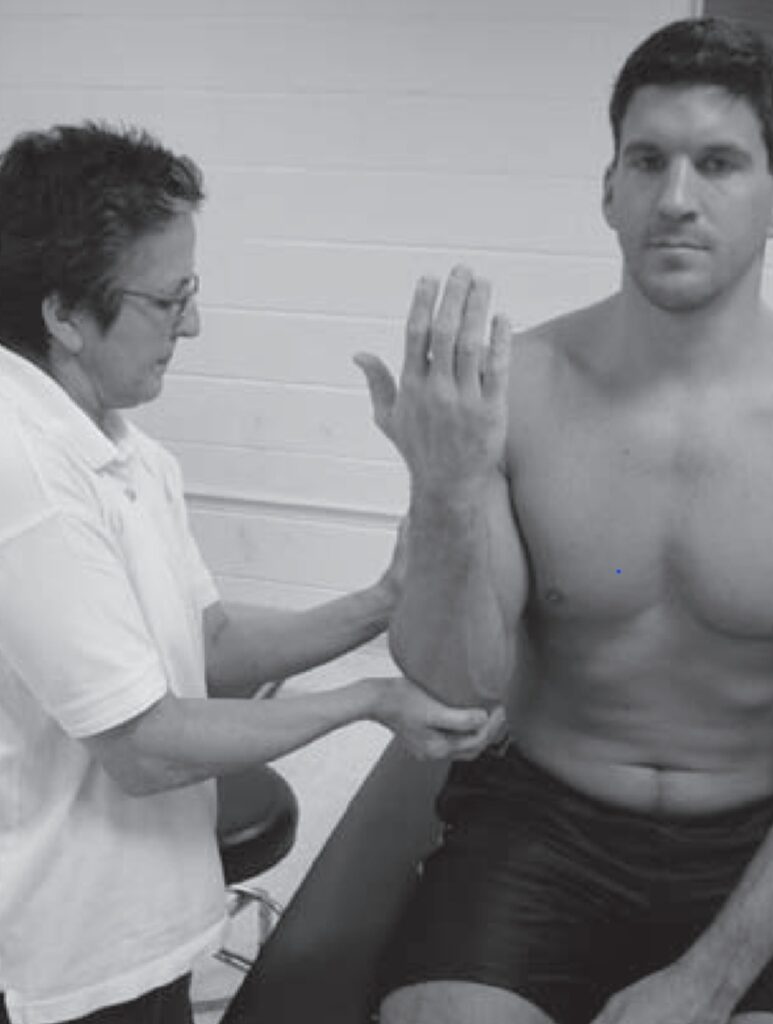
Subject position: Sitting with the shoulder in approximately 45 degrees of flexion, the elbow flexed, and the forearm in neutral. The clinician supports the arm at the elbow.
Stabilization: The clinician stabilizes the upper arm against the trunk.

The subject supinates the forearm through the available range of motion without resistance

Supination Grades 3/5 to +2/5 of MMT of forearm

Grades 2/5 to −2/5

The subject supinates the forearm throughout the maximal range of motion.

Supination Grades 2/5 to −2/5 , MMT of forearm

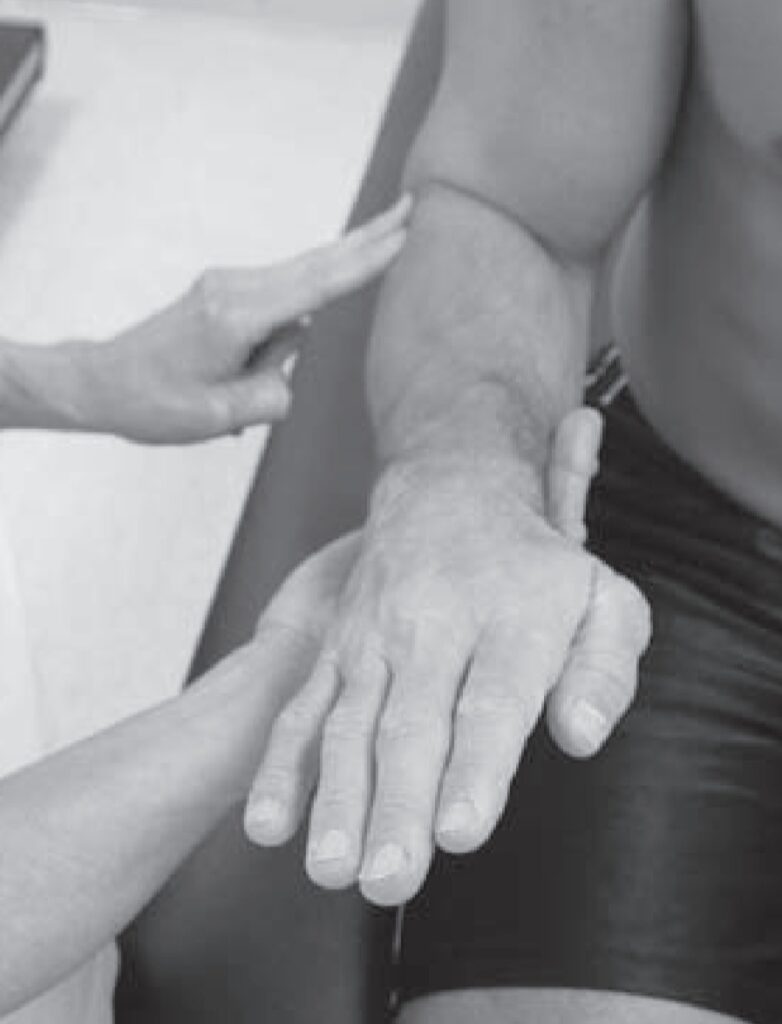
Grades 1/5 to 0/5

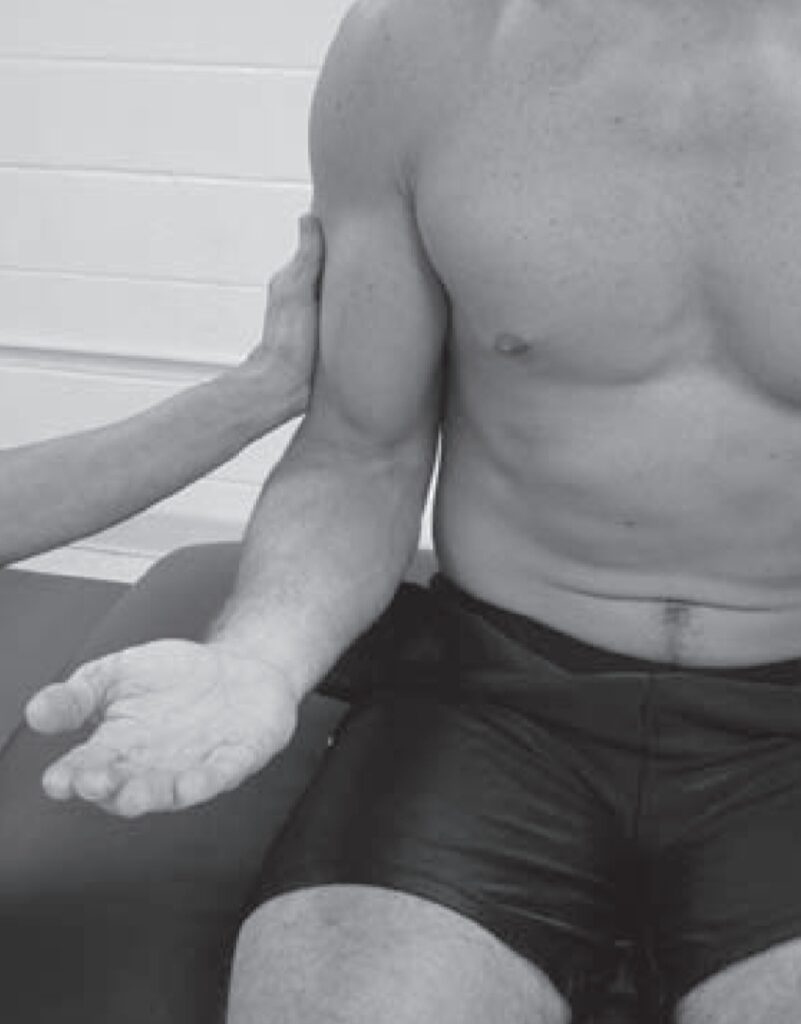
The supinator is palpated just distal to the head of the radius on the dorsal aspect of the forearm as the subject attempts to perform the movement.

Supination Grades 1/5 to 0/5, MMT of forearm

Pronation

During MMT of  Forearm, the  Primary muscles involved in the pronation are the Pronator teres and Pronator quadratus

Active Range of Motion : 0 to 90 degrees

Primary Mover: Pronator teres and Pronator quadratus

Secondary mover: Flexor carpi radialis

Grades 5/5 to +3/5

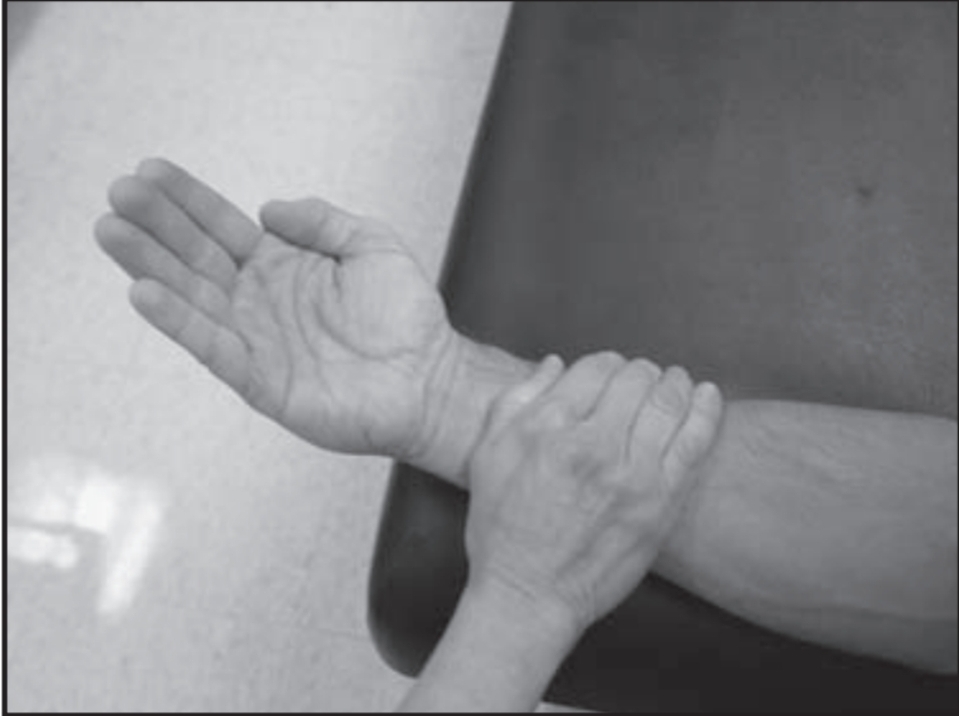
Subject position: Sitting with the arm at the subject’s side, elbow flexed to 90 degrees, and the forearm in supination. The fingers should remain relaxed.

Stabilization: The clinician stabilizes the upper arm against the trunk.

Resistance is applied to the wrist proximal to the joint line into supination.

Supination Grades 5/5 to +3/5 of MMT of forearm

Grades 3/5 to +2/5:

Subject position: Sitting with the shoulder in approximately 45 degrees of flexion, the elbow flexed, and the forearm in neutral. The clinician supports the arm at the elbow.

Stabilization: The clinician stabilizes the upper arm against the trunk

The subject pronates the forearm through the maximal range of motion without resistance.

Pronation Grades 3/5 to +2/5: , MMT of forearm

Grades 2/5 to −2/5:

The subject pronates the forearm through the maximal available range of motion.

Pronation Grades 2/5 to −2/5:,MMT of forearm .

Grades 1/5 to 0/5:

The pronator teres are palpated on the medial surface of the cubital fossa lateral to the radius as the subject attempts to pronate the forearm.

Pronation Grades 1/5 to 0/5:, MMT of forearm

MMT of Wrist joint

Similarly, the MMT of forearm and the  MMT(manual muscle test) of wrist are recorded as numerical scores ranging from zero (0), which represents no activity, to five (5), which represents a “normal” or best-possible response to the test or as great a response as can be evaluated by a manual muscle test.

The Flexion and Extension are covered here if you want to see other the MMT of the shoulder joint such as shoulder flexion and shoulder extension then visit other posts too. 

Flexion


During MMT of  Forearm, the  Primary muscles involved in the pronation are the Pronator teres and Pronator quadratus but in MMT of Wrist the Primary muscles are Flexor carpi radialis and Flexor carpi ulnaris.

Active Range of Motion: 0 to 90 degrees

Prime Movers: Flexor carpi radialis and Flexor carpi ulnaris.

Secondary Movers: Palmaris longus ,Flexor digitorum superficialis , Flexor digitorum profundus, Abductor pollicis longus , Flexor pollicis longus.

Grades 5/5 to +3/5:

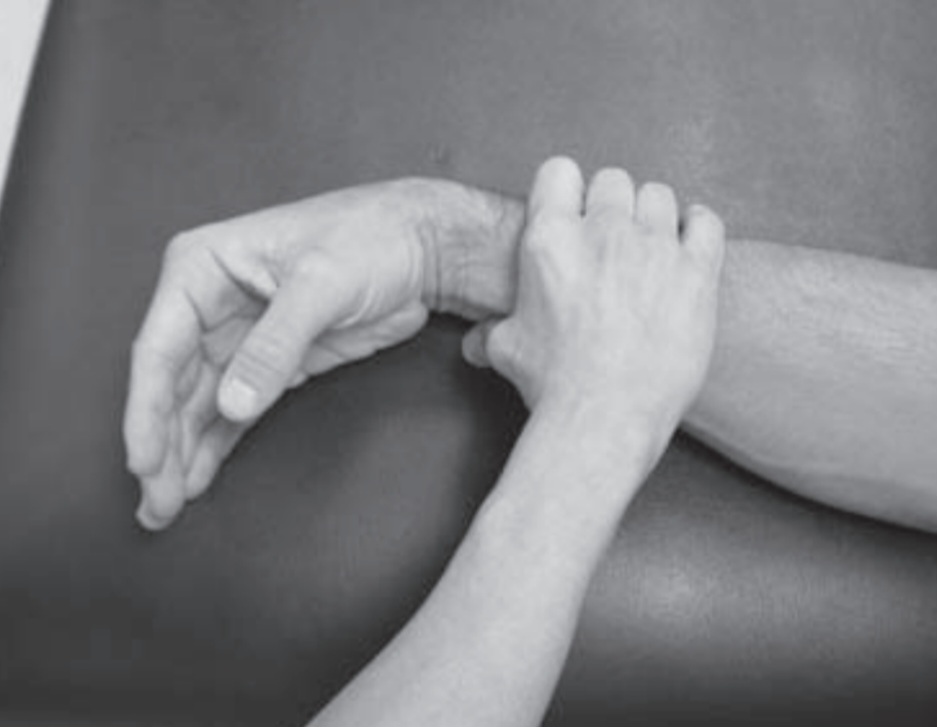
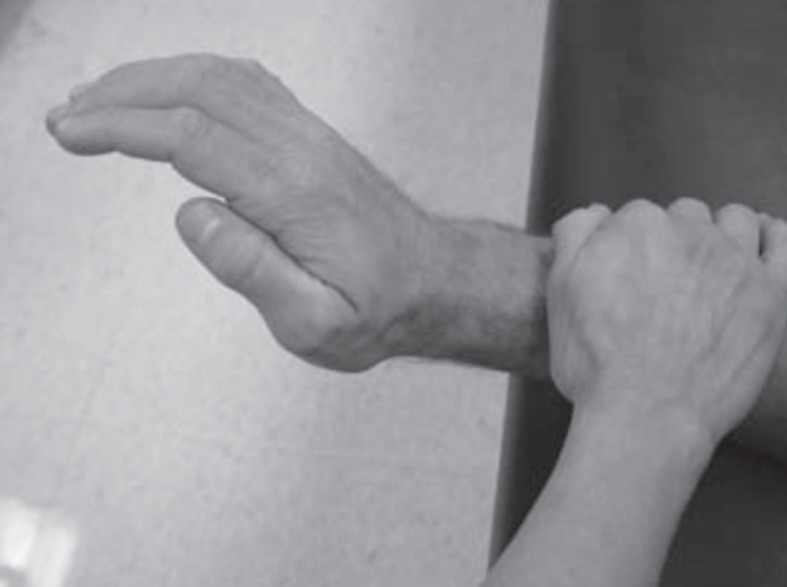
Subject position: Sitting or supine with the forearm supinated and the dorsal surface resting on a tabletop. The wrist should be in neutral with the fingers relaxed.

Stabilization: The clinician stabilizes the forearm against the tabletop.

Resistance is applied to the palm and then to the wrist extension.

Flexion Grades 5/5 to +3/5: , MMT of wrist

Grades 3/5 to +2/5:

Subject position: Sitting or supine with the forearm in neutral and the ulnar border of the hand resting on a tabletop with the wrist in neutral. The fingers should be relaxed.
Stabilization: The clinician stabilizes the forearm against the tabletop

The subject flexes the wrist straight up without deviation through the maximal available range of motion without resistance.


Flexion Grades 3/5 to +2/5:, MMT of wrist joint

Grades 2/5 to −2/5:

The subject flexes the wrist through the maximal range of
motion.

Flexion Grades 2/5 to −2/5:, MMT of wrist joint

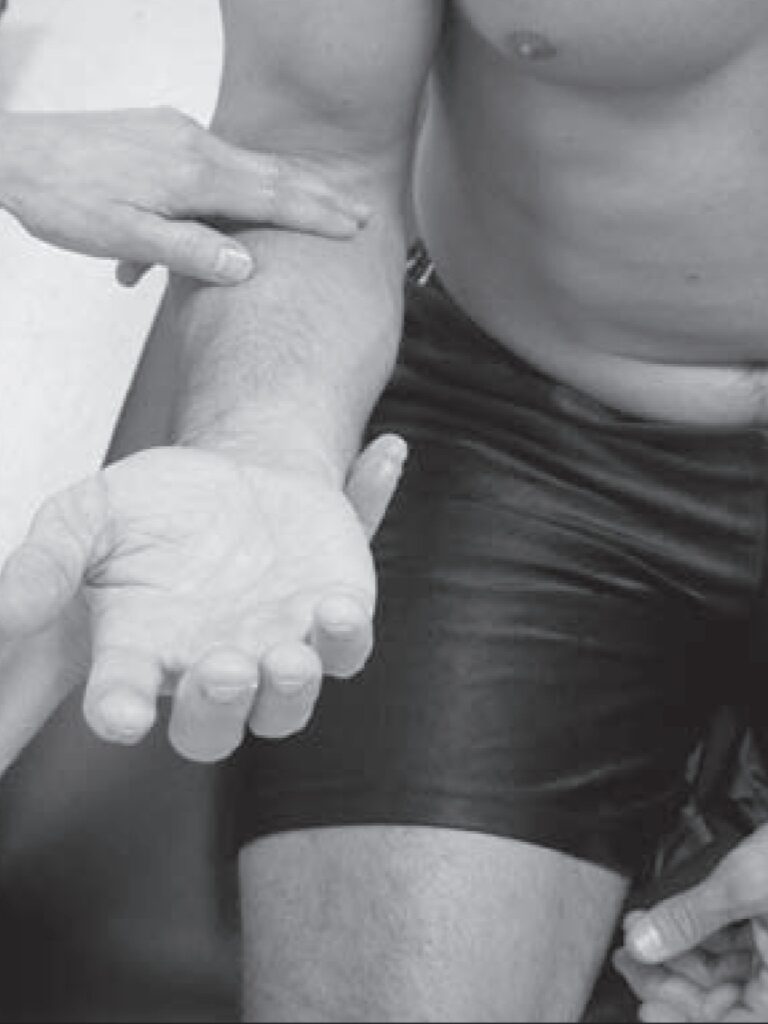
Grades 1/5 to 0/5:

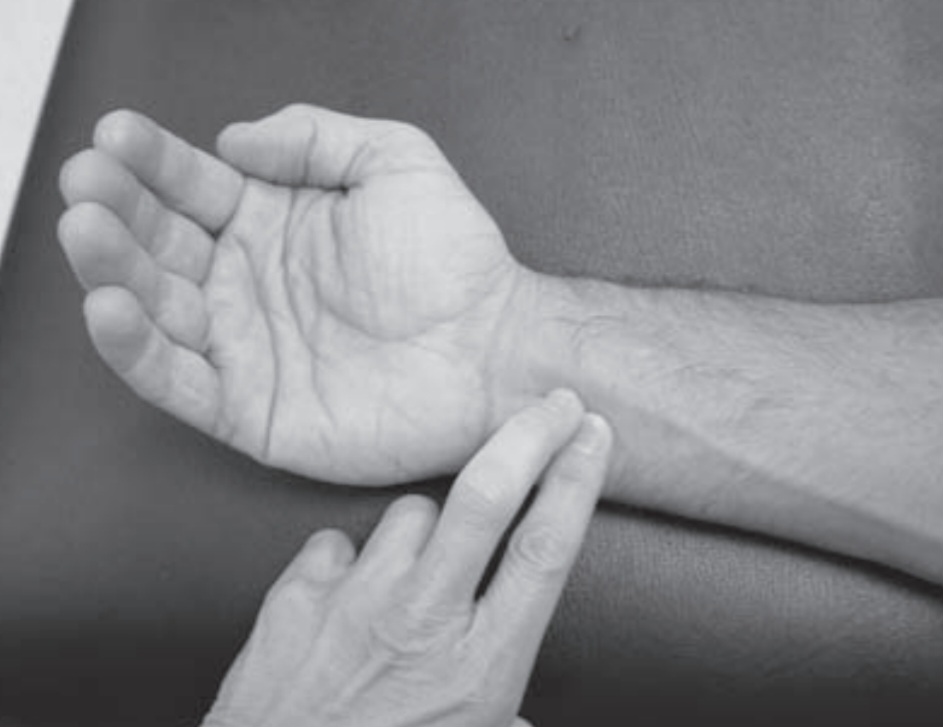
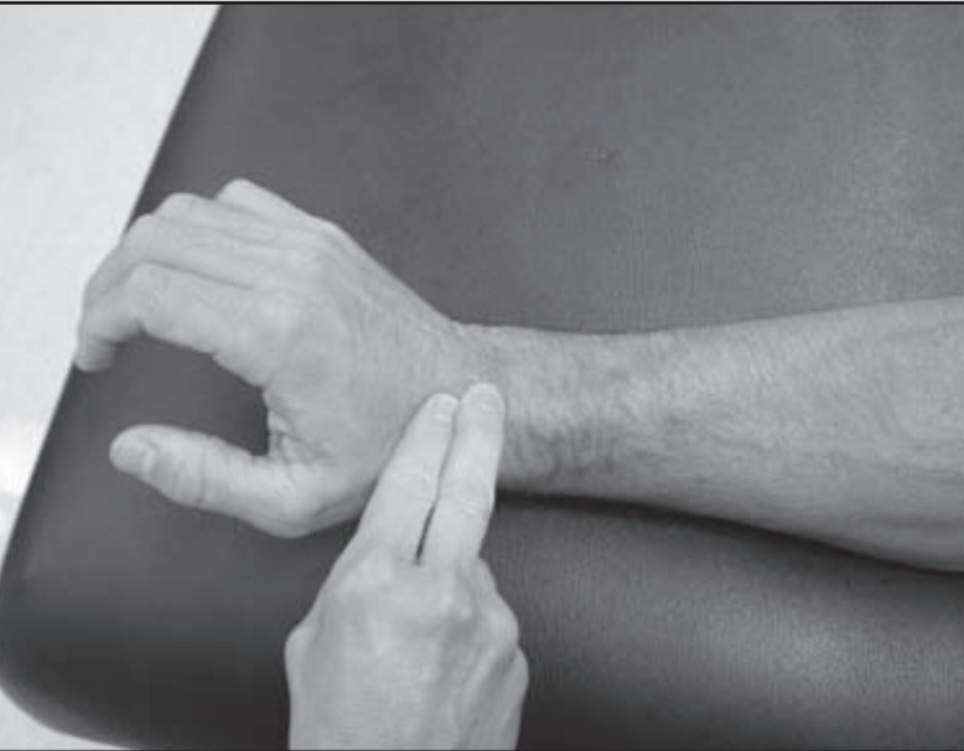
The flexor carpi radialis is palpated slightly lateral
to the midline of the wrist as the subject attempts to flex and radially deviate the wrist. The flexor carpi ulnaris is palpated immediately proximal to the pisiform as the subject attempts to flex and ulnarly deviate the wrist.
(Shown: Palpating the flexor carpi radialis.)

Extension

During MMT of  Forearm, the  Primary muscles involved in the pronation are the Pronator teres and Pronator quadratus but in MMT of Wrist the Primary muscles involved the extension of the wrist are the Extensor carpi radialis longus and Extensor carpi radialis brevis.

Active Range of Motion: 0 to 70 degrees

Prime Movers : Extensor carpi radialis longus and Extensor carpi radialis brevis.

Secondary Movers: Extensor digitorum, Extensor digit minimi ,Extensor indicis.

Grades 5/5 to +3/5:

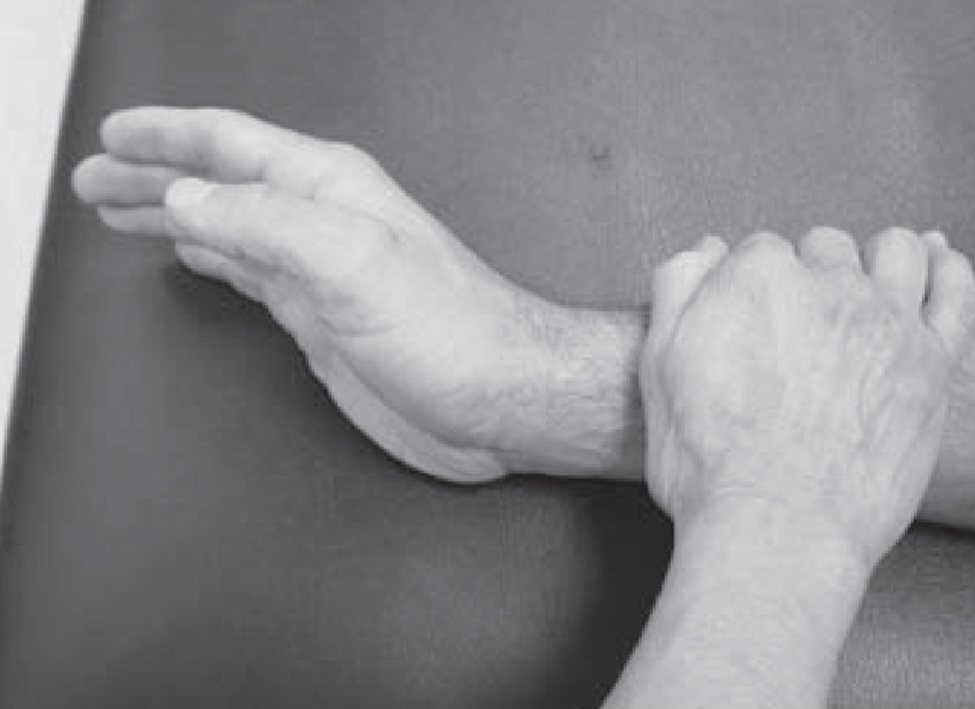
Subject position: Sitting with the forearm pronated and supported on a tabletop. The wrist should be in neutral and the fingers should be relaxed.

Stabilization: The clinician stabilizes the forearm against the tabletop.

Resistance is applied to the dorsum of the hand into wrist flexion.

Extension Grades 5/5 to +3/5:, MMT of wrist joint

Grades 3/5 to +2/5:

Subject position: Sitting or supine with the forearm in neutral and the ulnar border of the hand resting on a tabletop with the wrist in neutral. The fingers should be relaxed.

The subject extends the wrist straight up without deviation through the maximal available range of motion without resistance

metacarpal just distal to the ulnar styloid process as the subject attempts to extend and
radially or ulnarly deviate the wrist, respectively.
(Shown: Palpating the extensor carpi radialis longus.)

Extension ,Grades 3/5 to +2/5:MMT of wrist joint

Grades 2/5 to −2/5:

The subject extends the wrist through the maximal available range of motion.

the extensor carpi radialis is palpated on the dorsum of the wrist in line with the third metacarpal, and the extensor carpi ulnaris is palpated on the dorsum of the
wrist proximal to the fifth

Extension Grades 2/5 to −2/5: MMT of wrist joint

Grades 1/5 to 0/5:

The extensor carpi radialis longus is palpated on the dorsum of the wrist in line with the second metacarpal,

Extension ,Grades 1/5 to 0/5: MMT of wrist joint
Recent Post