Starting Position
Table of Contents
What is a Starting Position?ย
Every movement done in our daily life begins in posture and ends in posture. The position of the body from which movement starts is called the Starting Position.ย
When a person starts exercise or any movement they begin with a position (the body’s posture ) which helps them conduct the movement giving the best possible outcome of that exercise.
These positions also help a physiotherapist to conduct diagnosis and treatment of every treatment plan as it helps to understand which position is good for the treatment of that particular disease. How much effective it can be for the patient to recover soon.ย
A correct starting position is very helpful as it benefits the person in various situations such asย
- Doing Yoga in the morningย
- At the beginning of the workoutย
- Concentrate on weaker areas and work on them.
- During the diagnosis of conditions such as stiffness, weak muscle power, Flaccid muscle, Contracture, and Structural deformity.ย
- Starting position helps us to make the most effective treatment plan which will be the targeted treatment plan.ย
- Every sportsperson uses these positions during the warm-up before working outย
Standing Postureย
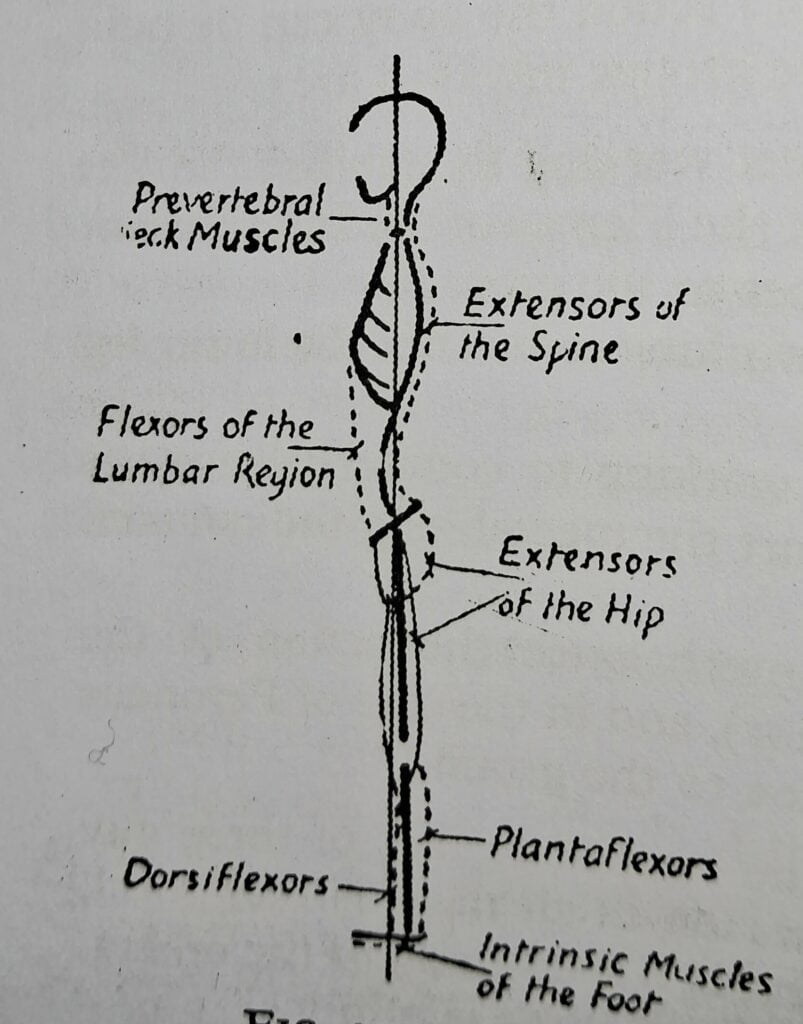
This is the most difficult of the fundamental positions to maintain, as the whole body must be balanced and stabilized in correct alignment on a small base by the coordination work of many muscle groups.
- The heels are together and should be on the same line, the toes slightly apart. ( angle between the feet does not exceed 45 degrees).
- The knee is together and straight.
- The hips are extended and laterally rotated slightly.
- The femoral head is balanced by pelvic.
- The vertex is thrust upwards, the ears are level and the eyes look straight forward.
- The shoulders are down and back.
- The arms hang loosely to the sides, palms facing inwards towards the body.
Muscle
- The Intrinsic muscles of the feet work to stabilize the feet and prevent curling of the toes so that the flexors of the interphalangeal joints can press the balls of the toes to the ground.
- The plant flexors of the Ankle, work to balance the lower leg on the foot.
- The Dorsiflexors of the Ankle, work to counterbalance the action of the plantar flexors and to support the medial longitudinal arch of the foot.
- The Evertors, work to counterbalance the action of the Invertors and in the case of peroneus longus, to press the ball of the great toe to the ground.
- The Extensors of the knee may work slightly.
- The Extensors of the hip, work to maintain hip extension and to balance the pelvis on the femoral head.
- The Extensors of the spine, work to keep the trucks upright. Where their action over the lumber and cervical regions would result in increased curvature and consequent shortening of the spine, they are counterbalanced by the flexors of these regions to ensure maximum lengthening.
- The Flexor of the lumber spineย works to prevent over-action of the extension of this region. They also assist in the maintenance of the correct angle of pelvic tilt and support the abdominal viscera.
- The Pre-vertebral neck muscle works to control excessive extension of the neck and to straighten the cervical spine.
- The flexor and extensors of the Atlanto-occipital joint, work reciprocally to balance the head. The Elevators of the mandible close the mouth.
- The Retractors of the scapulae, work to draw the scapulae backward so that the glenoid cavity faces more or less laterally.
- The arms are relaxed. Sometimes, however, it is necessary to use the lateral Rotators of the shoulder to keep them in the correct position.

Kneeling
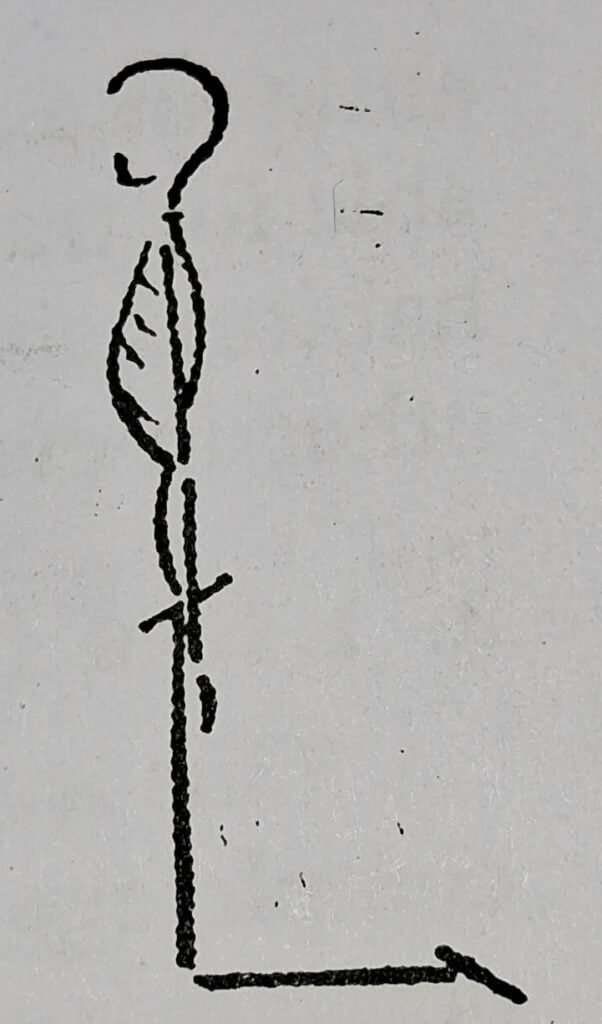
The body is supported by the knees which may be together or slightly apart.
kneeling is the most famous starting position for the punishment of children. whenever a child makes a mistake the parentsย and teacher give punishment to” stand on knees “.
Muscle work
- The lower leg is relaxed; the body must be stabilized on knees.
- There is interplay between the flexors and extensors of the knee, to balance the femora vertically on the knees.
- The Extensors of the Hip and flexors of the lumbar spine work more strongly to maintain the correct angle of pelvic tilt.


Lying
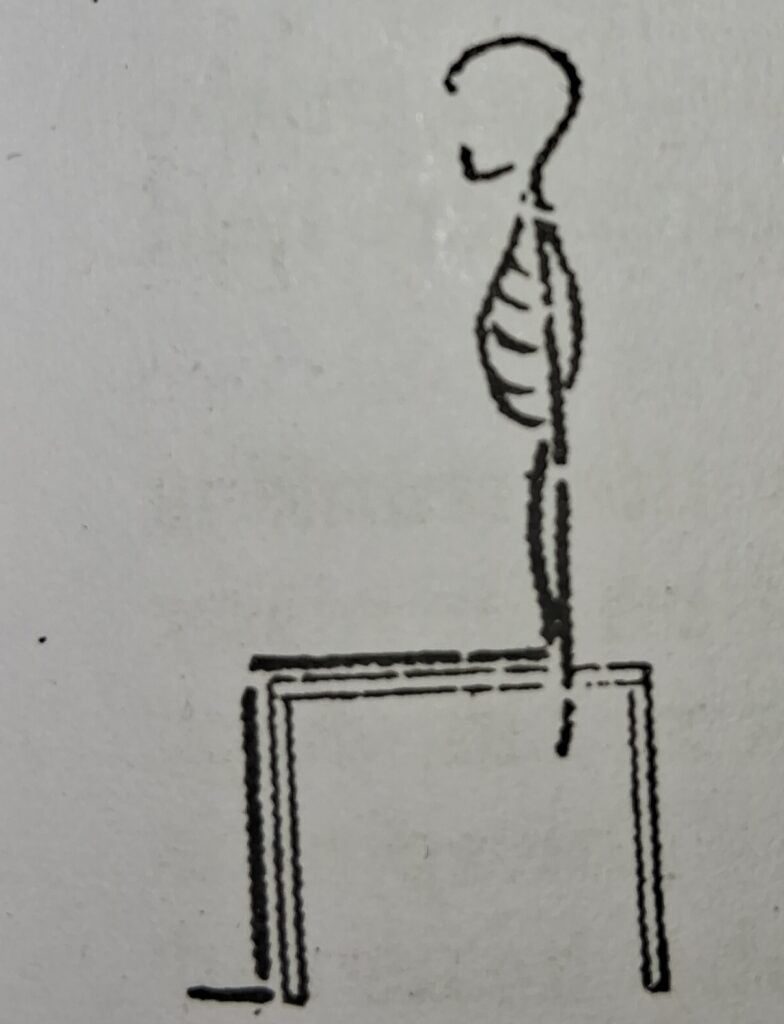
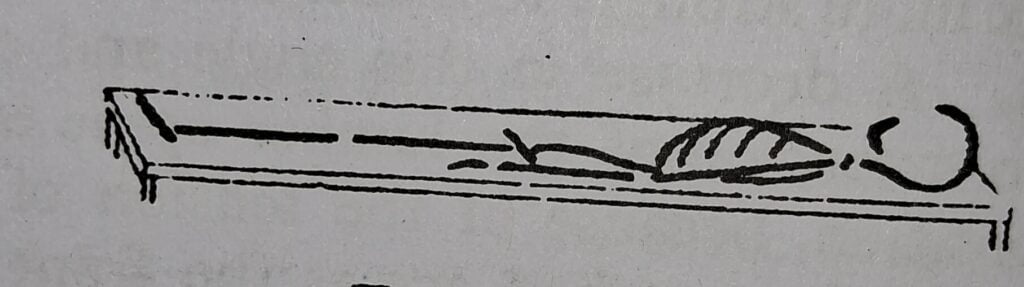
This is the easiest of the fundamental positions as the body can be completely supported in the supine position and is as stable as possible. The posture in which we lay on hospital beds in IUC.ย ย
Muscle work

Hanging
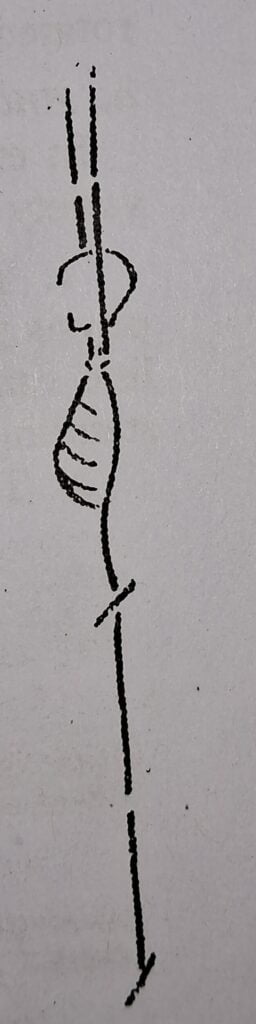
The hanging position is when a person grasps over any horizontal bar and suspends his or her body over that bar. The forearms are pronated, the arms straight and at least shoulder width apart.
Muscle work
- There is the active working of ย Flexors of the fingers to grasp the bar.
- All the muscles around the wrist work strongly to reduce the strain on the joints and to act as synergists and
- The flexor of the elbow works to reduce the strain on the joints.
- The Adductors of the shoulder work strongly to lift the body on the arm.
- The Depressors, Retractors, and Medial Rotators of the scapulae work strongly to fix the scapula and brace the upper back.
- The Per-vertebral and posterior neck muscles work reciprocally to maintain the position of the head and neck
- The adductors of the hip work to keep the legs together
- The extensors of the knees may work to maintain the full extension.
- The plantar flexor works to point the toes to the floor.

Recent Post
Why my heel hurts when i walk : Possible Reasons and Fixes
Why my heel hurts when i walk : Possible Reasons and Fixes Heel pain can make everyday activities difficult. Many people notice discomfort while getting

8 best pain killers for muscle pain
8 best pain killers for muscle pain Pain is one of the most common health complaints worldwide, and pain killers are often the first solution

Immediate Gout Pain Relief Fast in 24 hours
Immediate Gout Pain Relief Fast in 24 hours Gout is a form of inflammatory arthritis caused by elevated serum uric acid levels, leading to the
5 Effective knee pain exercises at home
5 Effective knee pain exercises at home Knee pain exercises at home are a simple way to reduce pain, ease stiffness in an aching knee,

Why My Knee Hurt and Fix It?
Why My Knee Hurt and Fix It? Knee hurt is a common problem that can affect your daily routine, especially when walking, running, or climbing

Understanding ALL about Rheumatoid arthritis
Rheumatoid arthritis Rheumatoid arthritis (RA) is a disease of synovium (a thin, soft connective tissue membrane that lines the inner surface of synovial joints) characteristics