
What should we eat during periods to reduce pain?
-
 Dr.
Arpita Biswas
Dr.
Arpita Biswas
- Dr.Rahul Kr. Jha
- Disclaimer

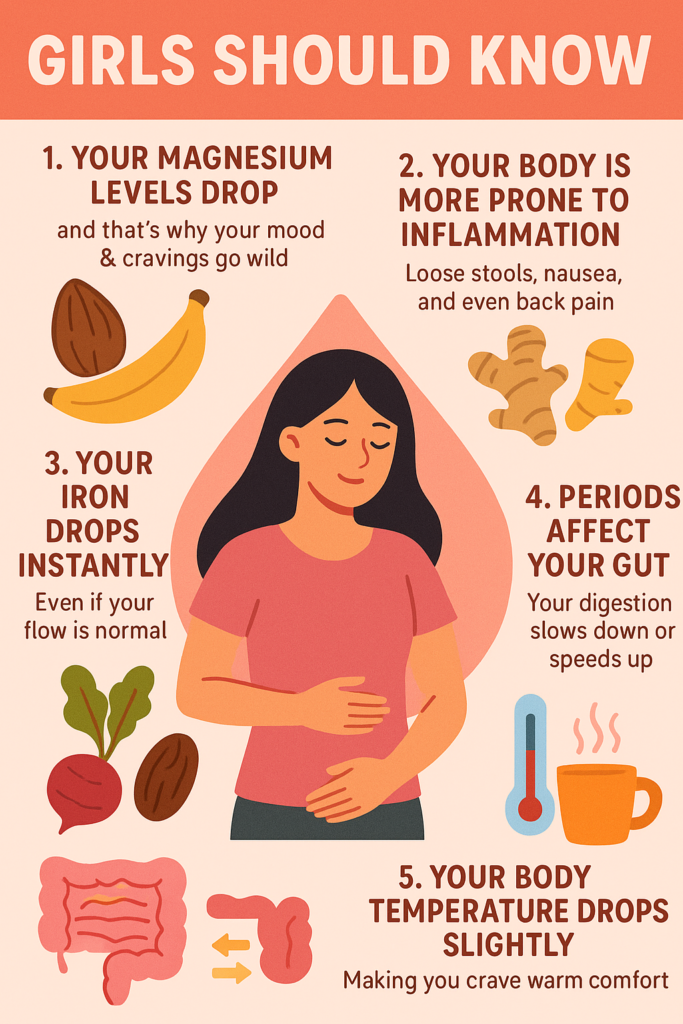
During period, the right food choices can make a huge difference in how your body feels. Warm, comforting drinks like ginger tea or turmeric milk help soothe the belly and relax cramping muscles. Foods rich in magnesium—such as bananas, almonds, and pumpkin seeds—naturally calm the uterus, while omega-3 sources like walnuts, chia seeds, and flax seeds help reduce inflammation that triggers pain.
Research shows that eating too many inflammation-triggering foods—like fatty meats, processed oils, sugary snacks, salty meals, caffeine, and alcohol—can make menstrual cramps more intense.
So the question arise that what should we eat during periods to reduce pain? Foods that lower inflammation and relax the uterus work best.
Can diet help ease menstrual cramp pain?
Up to 90% of menstruating individuals experience some level of menstrual pain, and around 15% deal with cramps so severe that they interfere with daily activities. These cramps happen when the uterus tightens and the blood vessels around it constrict. During a period, the body releases natural chemicals called prostaglandins from the uterine lining. Higher prostaglandin levels lead to more inflammation and stronger cramps.
Medications like ibuprofen help because they reduce inflammation by blocking prostaglandin production. Taking them “right when the period starts—before the pain peaks” is often more effective.
However, intense or persistent pain isn’t always normal. Conditions such as endometriosis, fibroids, pelvic infections, pelvic inflammatory disease, or even a non-hormonal IUD (which creates inflammation to prevent pregnancy) can make cramps worse.
Along with medication, diet can also support pain relief during period days.
So, what should we eat during periods to reduce pain? Foods that lower inflammation and relax the uterus work best. These include:
| Food Category | Examples | How It Helps (Science-Based) | Indian Diet Note |
|---|---|---|---|
| Omega-3–Rich Foods | Salmon, sardines, walnuts, flaxseeds, chia seeds | Omega-3s reduce prostaglandins responsible for period pain and have anti-inflammatory effects. | Indian diets are usually low in omega-3; adding flaxseed, walnuts, and chia is easy and affordable. |
| Low Omega-6 Oils | Mustard oil, groundnut oil, ghee (replace soybean/sunflower oil) | High omega-6 increases inflammation and worsens cramps by acting on uterine muscles. | Indian cooking often uses omega-6-heavy oils; switching to mustard oil/ghee restores balance. |
| Anti-Inflammatory Spices | Ginger, turmeric, ajwain, cinnamon | Ginger blocks prostaglandins; turmeric reduces inflammation; cinnamon improves blood flow. | Indian kitchens already use these; increasing intake during periods offers strong pain relief. |
| B-Complex Vitamin Foods | Bananas, peanuts, whole grains, dals, eggs | B6 reduces irritability & cramping; B1 relaxes muscles and reduces spasms. | Indian diet is rich in dals & whole grains, making B-vitamins easy to include. |
| Vitamin D Sources | Sunlight, fortified milk, curd, egg yolk | Vitamin D reduces inflammation and improves muscle function, lowering cramp severity. | Many Indians have low Vitamin D; sunlight exposure + fortified milk helps. |
| Magnesium-Rich Foods | Spinach, pumpkin seeds, almonds, rajma, black chana | Magnesium relaxes the uterus and reduces muscle contractions. | Common Indian foods like black chana & spinach are excellent magnesium sources. |
| Iron-Rich Foods | Jaggery, beetroot, spinach, dates, ragi | Maintains hemoglobin and prevents fatigue during periods. | Indian diets naturally include jaggery, spinach & dates, making them easy to add. |
| Hydrating Foods | Coconut water, watermelon, cucumber, oranges | Reduces bloating and helps flush inflammatory chemicals. | Coconut water is widely available and highly beneficial during periods. |
| Complex Carbs | Oats, millets (ragi, jowar, bajra), brown rice | Stabilize blood sugar, reduce mood swings, and prevent cravings. | Millets are traditional Indian staples and excellent for period-friendly meals. |
How diet help ease menstrual cramp pain?
The body needs a healthy balance of omega-6 and omega-3 fatty acids, especially during period days when inflammation can increase. Omega-6 fats—commonly found in vegetable oils such as soybean, sunflower, and corn oil, and in many processed or packaged foods—tend to promote inflammation. These fats can accumulate in the uterine muscles and the endometrium, which may worsen cramps. In contrast, omega-3 fatty acids, present in foods like fish, walnuts, and seeds, have strong anti-inflammatory effects and help reduce menstrual discomfort.
Many Western diets contain far more omega-6 than omega-3, which can shift the body toward inflammation. A Mediterranean-style diet, rich in fish, nuts, seeds, fruits, and vegetables, naturally provides more omega-3 and is linked to lower menstrual pain.
However, typical Indian diets often rely heavily on refined oils (sunflower, soybean, safflower), deep-fried foods, and packaged snacks—all of which are high in omega-6 and low in omega-3. This imbalance may increase inflammation and worsen cramps during periods.
If you’re wondering, what should we eat during periods to reduce pain, adding more omega-3, vitamin-rich, and anti-inflammatory foods can help:
- B-complex vitamins—especially B6 and B1—support nerve function and help ease muscle tension.
- Vitamin D plays an important role in lowering inflammation and reducing the severity of cramps.
- Ginger, whether eaten raw, taken as a supplement, or consumed as tea, has strong evidence supporting its ability to reduce both the intensity and duration of menstrual pain.
By reducing omega-6–heavy foods and choosing more omega-3, ginger, and nutrient-rich options, you can naturally lower inflammation and manage period pain more effectively.
Ways to Reduce Inflammation
Diet:
If you’re wondering, what should we eat during periods to reduce pain, choosing anti-inflammatory foods can make a big difference. Omega-3 rich options—like salmon, tuna, walnuts, pecans, chia seeds, and flaxseeds—help calm inflammation and ease cramps. Since the body cannot make omega-3 on its own, getting it through food becomes especially important during your period. Pairing omega-3 foods with vitamin E may further reduce PMS discomfort.
- Heat:
Using heat therapy—such as a warm bath, heating pad, or hot water bag—on the lower stomach or back helps relax the uterus and boosts blood flow, which naturally reduces cramping during period days. - Exercise:
Light exercise, even simple walking or stretching, increases circulation and brings more oxygen to the muscles. This reduces inflammation and can lower pain levels during your period. - Medication:
NSAIDs like ibuprofen can block the chemicals responsible for triggering strong uterine contractions. Hormonal options such as birth control pills or hormonal IUDs may also help control heavy cramps by lowering prostaglandin production. - Healthy lifestyle:
Maintaining a nutritious diet and staying active throughout the month—not only during your period—helps decrease overall inflammation, making menstrual pain less intense over time.


