
Table of Contents

Human Immunodeficiency Virus(HIV)

The Full form of HIV is Human Immunodeficiency Virus . HIV is a retro virus causes a deadly disease called AIDS .The word AIDS stands for Acquired Immune deficiency syndrome. This means a deficiency of the immune system, acquired during the lifetime of an individual indicating that it is not a congenital disease. The initial recognition of AIDS in the United States in 1981.
HIV

Epidermiology 

AIDS is a pandemic in distribution and is seen on all continents. By the end of 2015, there were 37 million people worldwide, living with HIV patient, of which 50 % are women and about 2 million are children under 15

A UN report of 2017 has stated about 35% fall in new HIV infections globally and about 40%decline in AIDS-related deaths due to the availability of antiretroviral therapy to more people. The UN has fixed the target to end the AIDS epidemic in 2030.
Life cycle of HIV

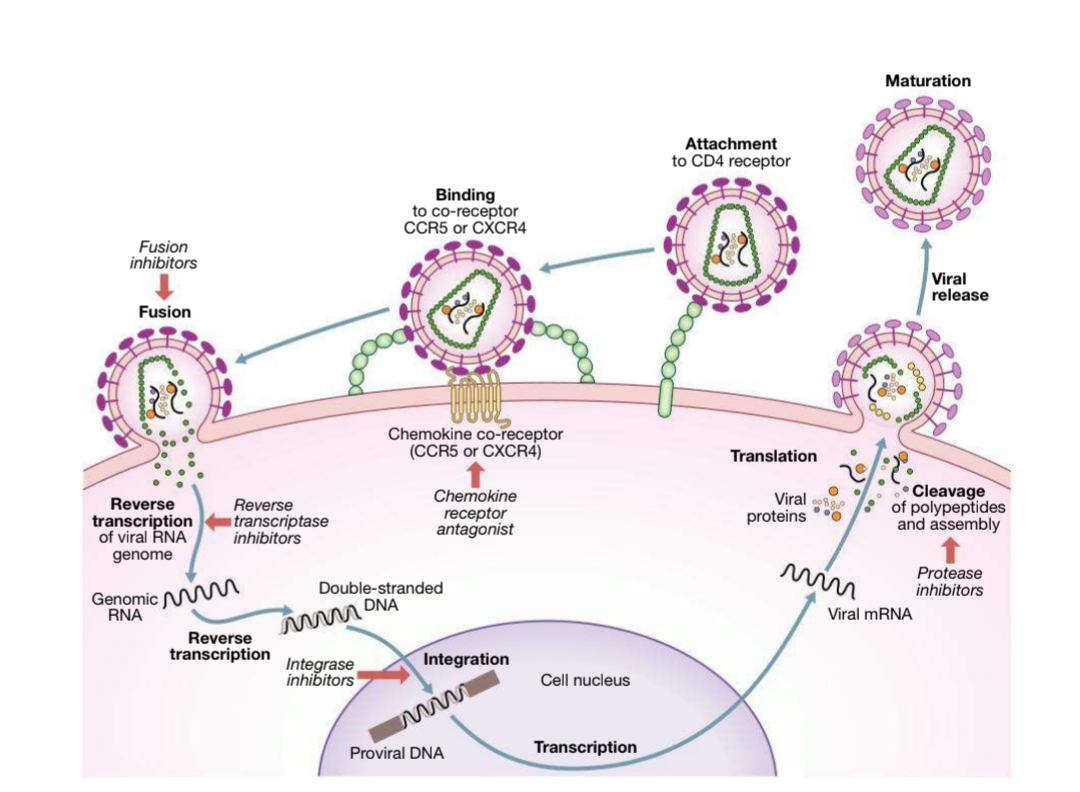
The stages of life cycle of HIV virus 

  1. Attachment
  2. Binding 
  3. Fusion
  4. Reverse transcription
  5. Integration
  6. Trancription
  7. Translation 
  8. Viral release 
  9. Maturation
Life cycle of HIV virus
Fig: 1 - Life cycle of HIV virus .

What are the Cause o HIV ?

AIDS is caused by a retrovirus (RNA)called human immunodeficiency virus (HIV). 

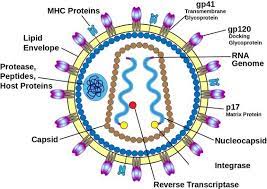
HIV-1 is spherical in shape and 100 -140 nm in size.

  • it contains a core protein, chiefly p24 and p18, two strands of genomic RNA, and the enzyme, reverse transcriptase.
  • the core is covered by a double layer of lipid membrane derived from the outer membrane of the infected host cell during the budding process of the virus. the membrane is studded with 2 envelop glycoproteins, gp120 and gp41, in the position shown.

Routes of HIV transmissions 

  1. Sexual transmission of HIV
  2.  HIV Transmission via blood and blood products
  3. Perinatal HIV transmission
  4. Occupational  HIV transmission
  5. HIV Transmission by other body fluid

What are the symptoms of HIV disease? 

Primary infection is symptomatic in more than 50% of cases but the diagnosis is often missed. The incubation period is usually 2–4 weeks after exposure. The duration of symptoms is variable but is seldom longer than 2 weeks.

  • Fever
  • Maculopapular rash
  • Pharyngitis
  • Lymphadenopathy
  •  Myalgia/arthralgia
  • Diarrhea
  • Headache
  • Oral and genital ulceration
  • Meningoencephalitis
  • Bell’s palsy
  • Neck stiffness
  • Spastic paraparesis
  • Peripheral neuropathy
  • Weight loss
  • Tachypnoea
  • Gingivitis/periodontitis
  • Oral candidiasis and oral hairy leucoplakia are common conditions seen in HIV disease.
  • Dysfuctioning of higher mental function

Some other signs are : 

  • Due to viral infection directly: the major targets are the immune system, central nervous system, and lymph nodes.
  • Due to opportunistic infection: deteriorating immune system provides the body an opportunity to harbor microbiology
  • Due to secondary tumors: the end stage of HIV /AIDS is characterized by the development of certain secondary malignant tumors.
  • Due to drug treatment: a drug  used in treatment produces toxic effects

How to diagnose HIV?

  1. Antibody tests: ELISA, Western blot
  2. Direct detection of HIV: p24, HIV RNA, DNA –PCR, Culture of HIV
  3. Test for detects in immunity: CD4+Tcell, lymphopenia, etc
  4. Enzyme-linked immunosorbent assay (ELISA) tests
  5. Viral load and CD4 counts: The CD4 count varies by up to 20% from day to day and is also transiently reduced by intercurrent infections. 

What are treatment options? 

Antiretroviral Therapy (ART)

Antiretroviral Therapy (ART) is the combination of drugs used in AIDS against HIV.  

Commonly used antiretroviral drugs

  1. Nucleoside reverse transcriptase inhibitors (NRTIs): Abacavir, emtricitabine,
    lamivudine, tenofovir, zidovudine*.
  2. Protease inhibitors (PIs): Atazanavir, darunavir, lopinavir*
  3. Chemokine receptor inhibitor: Maraviroc

ART complications

  1. Long-term use of ART is associated with changes in body fat distribution called lipodystrophy.
  2. The NRTI abacavir typically causes a systemic hypersensitivity reaction, which is limited to people with HLA-B*5701, about 50% of whom will develop a hypersensitivity reaction.

Prevention measures for HIV transmission

• Sex education programs in schools
• Easily accessible voluntary counseling and testing centers
•Safe sex practices (delaying sexual debut, condom
use, fewer sexual partners)
• Effective ART for HIV-infected individuals
• Pre-exposure prophylaxis for high-risk groups
• Male circumcision
• Post-exposure prophylaxis

• Transmission of Blood product: donor questionnaire, routine screening of donated blood
• The drugs used in injection : education, needle/syringe exchange, avoidance
of ‘shooting galleries’, and methadone maintenance programs.

• Routine ‘opt-out’ antenatal HIV antibody testing
• Measures to reduce vertical transmission

• Education/training: universal precautions, needlestick injury
avoidance
• Post-exposure prophylaxis

HIV infection in old age

Epidemiology: the HIV-infected population is aging due to the life-prolonging effects of ART.
• Immunity: CD4 counts decline more rapidly as age extends beyond 40 years, resulting in faster disease progression. CD4 responses to ART decrease with increasing age.
• Dementia: HIV causes cerebral atrophy and neurocognitive disorders; dementia is therefore more common and more severe than in the HIV-uninfected elderly.
• Vascular disease: HIV is associated with an increased risk, exacerbated by some antiretrovirals that increase the risk of vascular disease by causing dyslipidemia or insulin resistance.
• Polypharmacy: treatment of co-morbidities is complex due to the many drug interactions with antiretrovirals

REFERENCES: 

  • Harsh Mohan,  UN report 2017,
  • aidsinfo.nih.gov AIDSinfo,
  • A service of the US Department of Health and Human Services (HHS).
  • bhiva.org British HIV Association.
  • who.int/hiv/pub World Health Organisation.

Recent post

Leave a Reply

Your email address will not be published. Required fields are marked *