
Reciprocal Inhibition
Reciprocal Inhibition is a method in which if there is contraction in any one group of muscle is accompained by a reciprocal relaxation of the antagonestic group to allow the movement to take place smoothly
Techniques
General relaxation
The basic condition for general relaxation are as follows :
- Support
- comfort
- A restful environment
Support
- Lying supine
- Hafe lying
- Prone lying
- Side lying
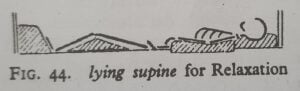
A firm surface is essential. A good spring mattress for resilient as it will mould itself to the body contours and give even presure and comfort . A pinth or bed is to avoid cramp in thorax and strain on inspiratory muscle . A soft head pillow is to prevent head from rolling either side to support nect posteriorly .A SMALL PILLOW UNDER KNEE it will relieve tension on hamstrings and ilio - femoral ligament .It allow pelvis to roll backwards lumber spine is strainghtened and supported .
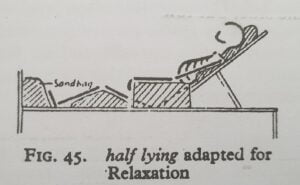
Hafe lying is a method similar to previous postion . the breathing is easier , less weight on back, it reduces the abdominal pressure.
An armchair can be used where thigh are fully supported and rest on floor or foot stool or t -shaped foot rest can be used .
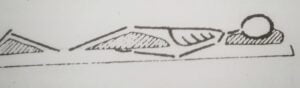
Prone lying in which head turn to one side , rest on small pillow (to be more comfortable ) . pillow under hip and lower abdomen ( to prevent to cover hollowing back ).elevates lower leg and knees are slightly bent . this posture is considered as the most comfortable position amonge all relaxation posture and used for sleep .
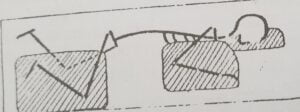
Side lying is a method in shoulder pelvic girles are stabilised and arm and leg are rested on supporting surface instead of pillow . A pillow is used to support necK and head .
Comfort
Comfort involve freedom to breath deeply , warmth , abdominal quiescence and mild degree of physical fatigue . A mild physical fatigue and removal of tight clothing . Removal of constriction clothing , such as corsets and belts , is essential and garters , buttons which causes presure must be removed. A light well balanced meal , rhythmical physical activity of short duration such as brisk walk in open air and empty the bladder before treatment are all conductive to general relaxation
Restful atmosphere
- Quient place
- low well diffused light and warm glow
- physiotherapist should be confedent , fearless.
- she must be punctual and calm
- teartment require over a period of time .
- Massage and Passive movement
- For relief of spasm
- In preventing and combating adaptive shortening
Local relaxation
General relaxation takes time and not always essential whereas local relaxation need to be trained depends on causes and distribution of tension.
Relaxation of specfic area and treatment of that area . example , the abducted and flexed arm supported by a table or slings .
the tension and hyperonicity produce muscular imbalance it lead to adaptive shortening of tense muscle and progessive lengthening and weakening of antagonist muscle .