
Foot deformity | Equinus | Talipes Valgus | Talipes Varus |Talipes Cavus
-
 Dr.
Arpita Biswas
Dr.
Arpita Biswas
- Dr.Rahul Kr. Jha
- Disclaimer

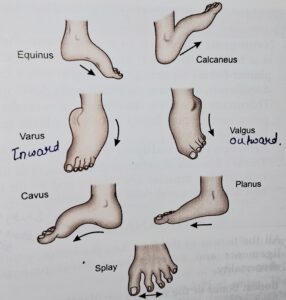

Foot deformity is a kind of abnormality or defect in the shape of the foot. It can be due to joint, muscle, ligament, and bone of the foot region which affect the complete functioning of the foot. Over time foot deformity is known by other names such as “Clubfoot“, and “Congenital Talipes Equino Varus ( CTEV)”.
Types of Foot deformity
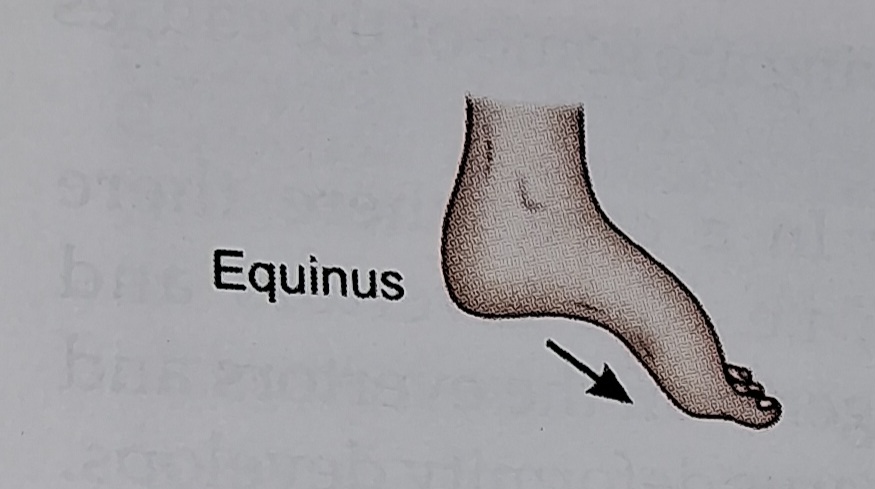
Equinus
Equinus is described Foot deformity derived from ‘equine”,i.e. a horse who walks on toes): This is a deformity where the foot is fixed in plantar – flexion. This Foot deformity is often caused by tightness in the Achilles tendon or calf muscles. The tightness can be due to any congenital ( present from birth ) and may be the result of the cast, crutches, or high heels.
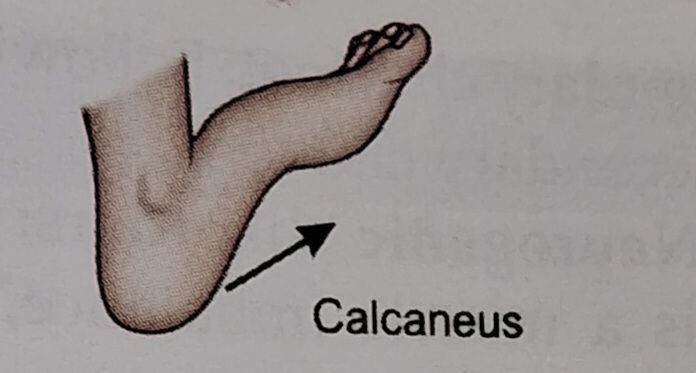
Calcaneus
Calcaneus foot deformity is the reverse of equinus where the foot remains fixed in the dorsiflexion position. According to an Abstract done by GW Bradley, S S Colman says that calcaneus is a neural disorder and is due to the tightness of the triceps surae muscles. The other major cause of this foot deformity is typically congenital (present by birth), it can be due to forced posture in the womb.
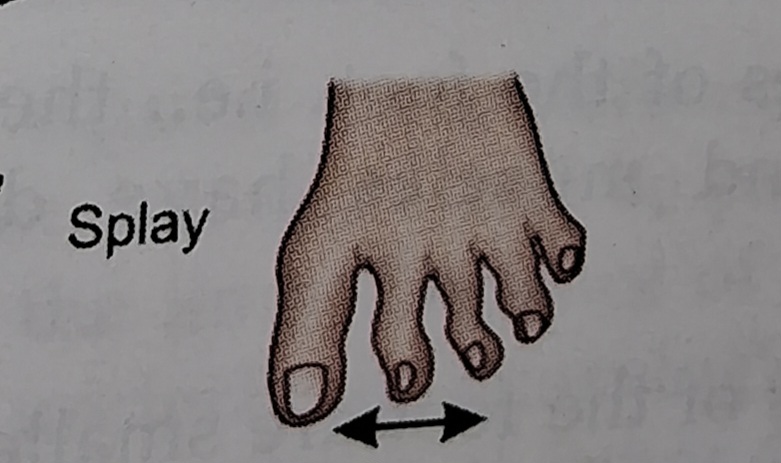
Splay
Splay is a rare congenital deformity( rarely found inborn ). The transverse arch in the splay foot deformity is flattened making the front of the foot wider and resulting in more pressure on the middle bones of forefoot. Anatomically over-straining of metatarsal bone increases the distance between meta-tarsals making wider space between them. The cause of splay foot can be obesity, improper footwear (when footwear is too tight ), or high heels.
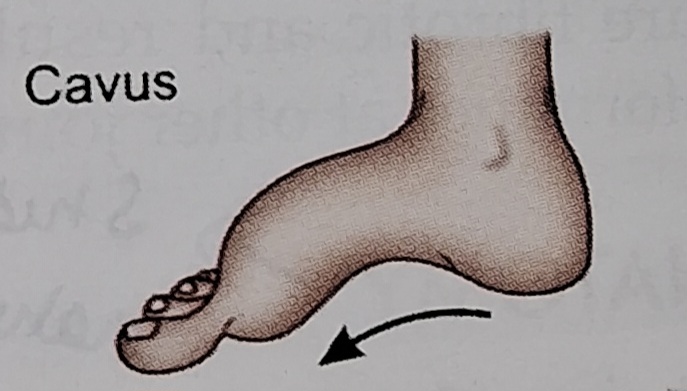
Cavus
Cavus is also known as High-arched feet. As the name suggests, A person suffering from this deformity has a longitudinal arch of the foot that is exaggerated. People with these Conditions, such as cerebral palsy, Charcot-Marie-Tooth disease, spina bifida, polio, muscular dystrophy or stroke, and other neurological conditions are more likely to have cavus.
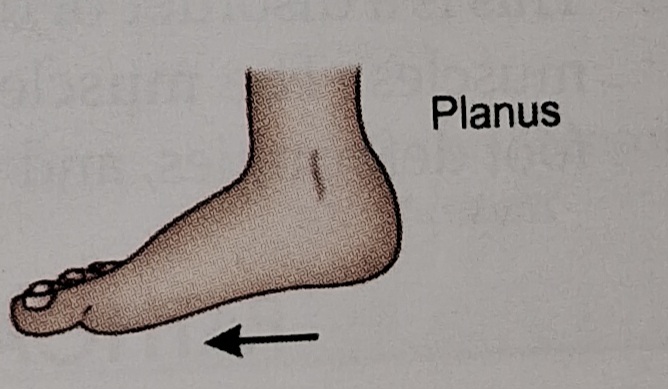
Planus
Planus is also denoted as flat foot deformity where the longitudinal arch is flattened. The hollow arch which is present below the foot is flatter. Many people when they stand the whole sole of the foot touches the ground. People are rarely born with it, they usually develop over time.
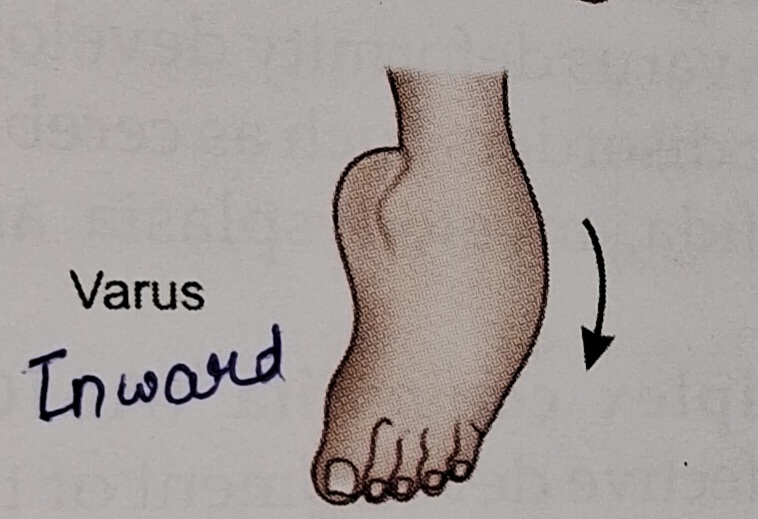
Varus
Varus foot is inverted and adducted at the mid-tarsal joints so that the sole ‘faces’ inwards.
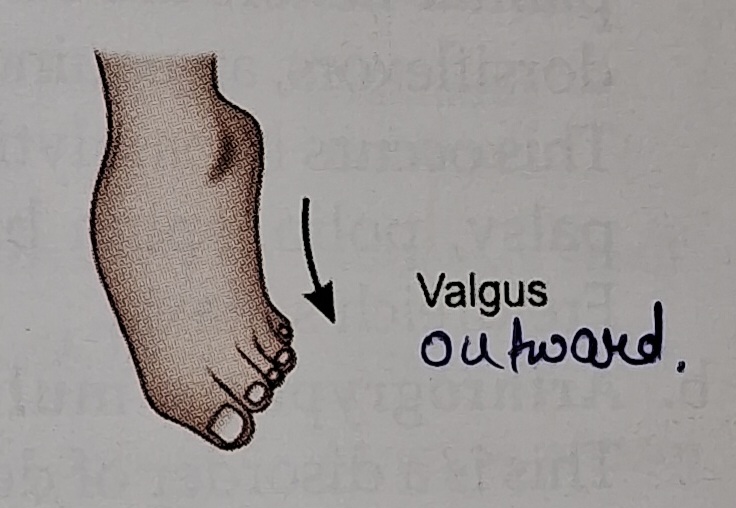
Valgus
Valgus is the reverse of varus where the foot is everted and abduction at the mid-tarsal joints so that the sole ‘faces’ outwards.
What common problem faced by foot deformity people?
1. Pressure on other structures leads to pain
2. The skin becomes hard and thick, leading to calluses formation.
3. The weakening of foot muscles. Increased use of this muscle can make them fatigue easily.
4. Abnormal strain on the foot.
5. Joint inflammations ( pain and redness are common ).
6. High-arched feet are often caused by nerve problems.
7. Foot deformity affects the way you walk and gait pattern changes.
What causes foot deformities?
In the vast majority of cases, etiology is not known, hence it is termed idiopathic. In others,
the so called secondary clubfoot, some underlying cause such as arthrogryposis multiplex congenital
(AMC) can be found.
Idiopathic clubfoot: Following are some of the theories proposed for the aetiology of idiopathic clubfoot:
a) Mechanical theory: The raised intrauterine pressure forces the foot against the wall of uterus in the position of the deformity.
b) Ischemic theory: Ischemia of the calf muscles during intrauterine life, due to some unknown factor, results in contractures, leading to foot deformities.
c) Genetic theory: Some genetically related disturbances in development of the foot have been held responsible for the deformity.
Secondary clubfoot: The following are some of the causes of secondary clubfoot:
a) Paralytic disorders: In a case where there is a muscle imbalance i.e., the invertors and plantar flexors are stronger than the evertors and dorsiflexion, an equino-varus deformity will develop. This occurs in paralytic disorders such as polio, spina bifida, myelodysplasia and Friedrich’s ataxia.
b) Arthrogryposis multiplex congenita (AMC):
This is a disorder of defective development of muscles. The muscles are fibrotic and result in foot deformities, and deformities at other joints.

Reference
Treatment of the calcaneocavus foot deformity. PubMed –https://pubmed.ncbi.nlm.nih.gov/72
Essential ORTHOPAEDICS . Based on educational curriculum of NMC. Maheshwari & Mhaskar
Dr Ignacio Ponseti, Congenital Clubfoot. Fundamentals of Treatment(Oxford University Press), 1996.The book (also known as the Green Ponseti Book.
SUBSCRIBE
subscribe to our newsletter and stay updated
X-ray
X-Ray Imaging Table of Contents X-ray imaging is a diagnostic medical procedure used in various clinical conditions such as fracture,.......
Wrist Complex
Wrist Complex Table of Contents Introduction The wrist joint consists of two compound joints : the radiocarpal and the midcarpal.......
Why My Knee Hurt and Fix It?
Why My Knee Hurt and Fix It? Knee hurt is a common problem that can affect your daily routine, especially.......
Why my heel hurts when i walk : Possible Reasons and Fixes
Why my heel hurts when i walk : Possible Reasons and Fixes Heel pain can make everyday activities difficult. Many.......
Whirl Pool Bath
Whirl Pool Bath Table of Contents The principal of whirlpool bath therapy is to combine effects of temp with mechanical.......
What should we eat during periods to reduce pain?
Home During period, the right food choices can make a huge difference in how your body feels. Warm, comforting drinks.......