
How to lower high blood pressure naturally?
Table of Contents
- Hypertension, or high blood pressure, affects 90% of people worldwide once in their lifetime. Lowering blood pressure naturally is never a question.
- Many studies show that people all over the world have competing and even succeeded in lowering their blood pressure without any medical help. By just changing their lifestyle and dietary habits.
◊ Here are 7 proven strategies that I recommended to my patient to lower their blood pressure without medication


Diet and Nutrition
Adopt the DASH Diet
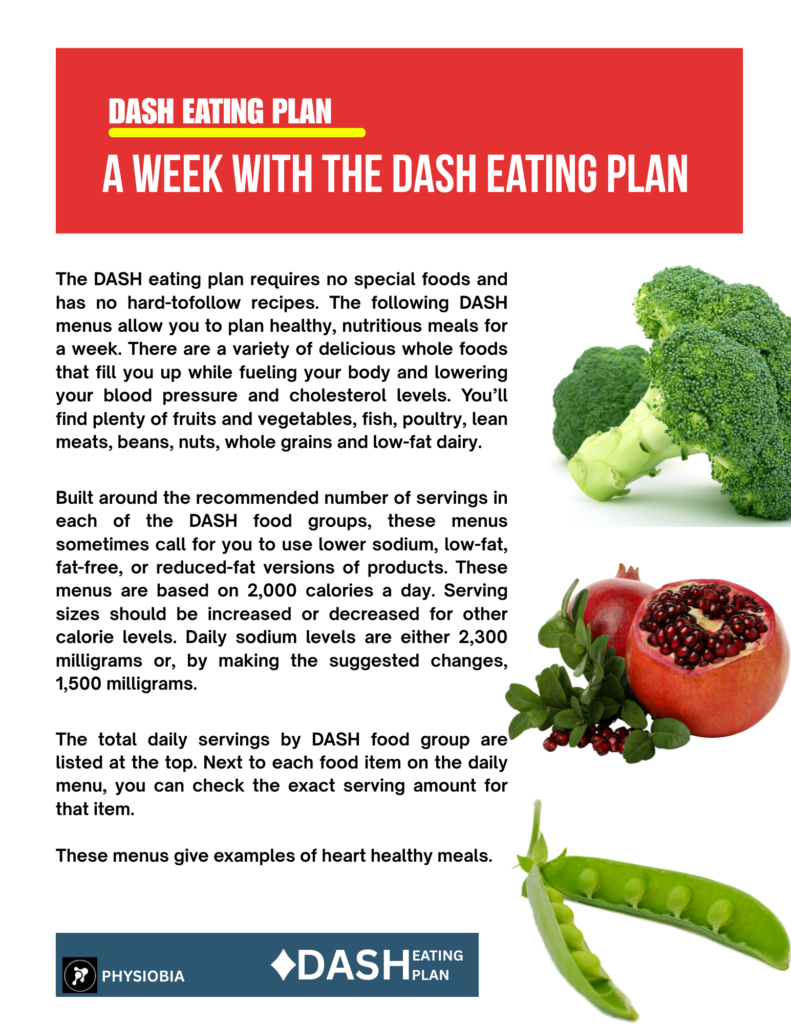
The most well-known and researched diet to lower blood pressure is the DASH DIET. A Dash diet is a healthy diet that involves fruits, vegetables, whole grains, and lean protein while limiting your sodium, red meat, and added sugars.
Studies have found that the DASH eating plan can lower blood pressure in as little as 2 weeks. Eating less sodium creates even bigger heart-healthy benefits.
What can I eat on the Dash diet?
Grains: Cooked cereal, rice, pasta (unsalted), Ready-to-eat packaged cereal, Bread.
Vegetables: Fresh or frozen, cooked without salt, canned or frozen with sauce, Pasta sauce, jarred.
Fruits: Fresh, frozen, canned all types of fruits.
Dairy: Milk, Yogurt, Natural cheeses, American cheese.
Nuts and seeds: Nuts, unsalted, Nuts, salted, Beans, cooked from dried or frozen (unsalted) ,Beans, canned.
Meats, Fish, and Poultry: Fresh or frozen meat, fish, poultry, Fresh or frozen poultry, with broth, Tuna, canned, water pack, Turkey breast, lunch meat, lean, roasted.
Reduce Salt (Sodium) Intake
Sodium is always a topic of controversy. Scientifically, it has been very clear that if your blood pressure is high and if you want to lower your blood pressure, you need to lower your sodium intake. Aim for < 2,300 mg/day (ideally 1,500 mg/day).
Avoid processed and packaged foods. Believe it or not, processed and packed food has 80% of salt. If you are a person who frequently eats outside, then beware, because your food might contain more salt than you require for the day
Tips To Reduce Salt and Sodium
- Choose plain fresh, frozen, or canned (low-sodium or no-salt-added) vegetables and season them yourself. The most common mistake we see people is the use of a salt shaker.
- Choose fresh or frozen skinless poultry, fish, and lean cuts of meat rather than those that are marinated, canned, smoked, brined, or cured.
- Check the Nutrition Facts labels to compare sodium levels in foods. Choose low- or reduced-sodium, or no-salt-added versions of foods.
- Limit cured foods (such as bacon and ham); foods packed in brine (such as pickles, pickled vegetables, olives, and sauerkraut); and condiments (such as mustard, horseradish, ketchup, and barbecue sauce). Limit even lower-sodium versions of soy sauce and teriyaki sauce, which should be used as sparingly as table salt.
- Canned foods such as tuna and beans can be rinsed to remove some of the sodium. Cook rice, pasta, and hot cereals without salt. Cut back on instant or flavored rice, pasta, and cereal mixes, which usually have added salt.
- Skip or limit frozen dinners and mixed dishes such as pizza, packaged mixes, canned soups or broths, and salad dressings, which often have a lot of sodium. Prepare and eat more foods at home, where you can control how much sodium is added.
- Boost flavor with herbs, spices, lemon, lime, vinegar, or salt-free seasoning blends instead of salt or salty seasonings like soy sauce, spice blends, or soup mixes. Start by cutting salt in half and work your way toward healthy substitutes.
If you want to eat outside, then follow these steps
- Move the salt shaker away. This simple first step could become second nature.
- Research the restaurant’s menu before going out. Check online nutrition information and then avoid these on the menu: pickled, cured, smoked, soy sauce
- Make special requests. Ask that your meal be prepared without added salt, MSG, or salty ingredients such as bacon, pickles, olives, and cheese.
- Easy does it on the condiments. A little goes a long way for mustard, ketchup, horseradish, pickles, and sauces with salt-containing ingredients.
- Go for healthy appetizers and side dishes. Choose fruit or vegetables instead of salty snacks, chips, or fries.
Limit Alcohol
Moderate intake: 1 drink/day for women, 2 for men.
Cut Back on Caffeine
Caffeine can temporarily spike blood pressure—watch your coffee and energy drink intake.
Regularly Exercise
According to a study by JA Halbert [ Journal of Human Hypertension] , Aerobic exercise training reduces your systolic and diastolic blood pressure by 4.7 mm of Hg as compared to non- non-exercising hypertensive patient, independent of intensity and number of sessions.
Aerobic exercise, which you can include in your daily life, can be ;
- Climb stairs instead of elevators in the home, offices, malls, etc
- Walk or run for 5 minutes a day.
- Ride a bike to work, school, or grocery stores.
- Put on music and dance around the house; it can be both a fun and effective activity.
- Do household work like cleaning, gardening
- Just spend 10 – 15 minutes of your day indulging in all these activities. Your issue of hypertension will be normalizing slowly. Do not wish for instant results, systolic and diastolic blood pressure; these all things provide you a long time benefits with no side effects.
Journal of the American Heart Association concluded in a research article that endurance, dynamic resistance, and isometric resistance training lower systolic and diastolic blood pressure.
Manage Stress Level
Stress is a constant source that enhances our blood pressure. You can observe that a stressed person is more likely to have a stroke and other heart conditions. This is just because whenever a person is under stress or tension a cortisol is released in the body. This hormone is responsible for increasing all the normal activities of the body, such as blood pressure, heart rate, etc.
Management of stress is very important to lower high blood pressure. Some strategy to which work best are
- Gardening: Many people involved in their hobbies, such as painting gardening, singing, are more likely to have a healthy stress stress-free life. I personally believe that gardening is the best remedy to relieve your stress. It is like there are things that are more important than running behind any rat race.
- Morning walk: The fresh air blowing from you makes you youthful throughout the day. Just a 5-10 minute walk in the garden or anywhere drastically improves your blood pressure levels.
- Be with Positive people: People who support you, motivate you, and never talk negatively about you. These are the people with whom you can be. Avoid people with negative thoughts and beliefs.
- Proper sleep Pattern: Avoid late-night sleeping and excessive usage of the phone at night. These things can decrease your productivity level for the upcoming days. Reminding you that habits are built in blocks, so do not make a habit of sleeping late, decreases productivity and lethargy automatically increases stress level.
Maintain a Healthy Weight
A published article in the Journal of Clinical Hypertension, they work to find out the impact of weight loss on blood pressure over 6–12 months. This study found that weight loss reduced systolic blood pressure (SBP) by an average of 2.6 mmHg and diastolic blood pressure (DBP) by 2.0 mmHg compared to the placebo group. Maintain a healthy body weight (body mass index [BMI] 20-25 kg/m2). This article says that a healthy body weight reduces the need for antihypertensive medications.
You can read more by reading this article,” Weight Loss and Blood Pressure Control.”
Try Natural Supplements (with doctor guidance)
- Magnesium
- Coenzyme Q10
- Omega-3 fatty acids (from fish oil)
- Beetroot juice (rich in nitrates)
Quit Smoking
- Smoking leads to inflammation and narrowing of arteries. This makes it harder for blood to flow freely due to increased vascular resistance, which elevates BP. When you quit smoking, blood vessels begin to heal and function better, improving blood flow and reducing pressure over time. In the long run, quitting helps medications work better, so you might even need fewer meds. 20 minutes after quitting smoking, you might notice that your heart rate and BP begin to drop, and within 1–3 months, your blood circulation improves noticeably.
`.
SUBSCRIBE
subscribe to our newsletter and stay updated
X-ray
X-Ray Imaging Table of Contents X-ray imaging is a diagnostic medical procedure used in various clinical conditions such as fracture,.......
Wrist Complex
Wrist Complex Table of Contents Introduction The wrist joint consists of two compound joints : the radiocarpal and the midcarpal.......
Why My Knee Hurt and Fix It?
Why My Knee Hurt and Fix It? Knee hurt is a common problem that can affect your daily routine, especially.......
Why my heel hurts when i walk : Possible Reasons and Fixes
Why my heel hurts when i walk : Possible Reasons and Fixes Heel pain can make everyday activities difficult. Many.......
Whirl Pool Bath
Whirl Pool Bath Table of Contents The principal of whirlpool bath therapy is to combine effects of temp with mechanical.......
What should we eat during periods to reduce pain?
Home During period, the right food choices can make a huge difference in how your body feels. Warm, comforting drinks.......