
Table of Contents
What is Cold therapy?
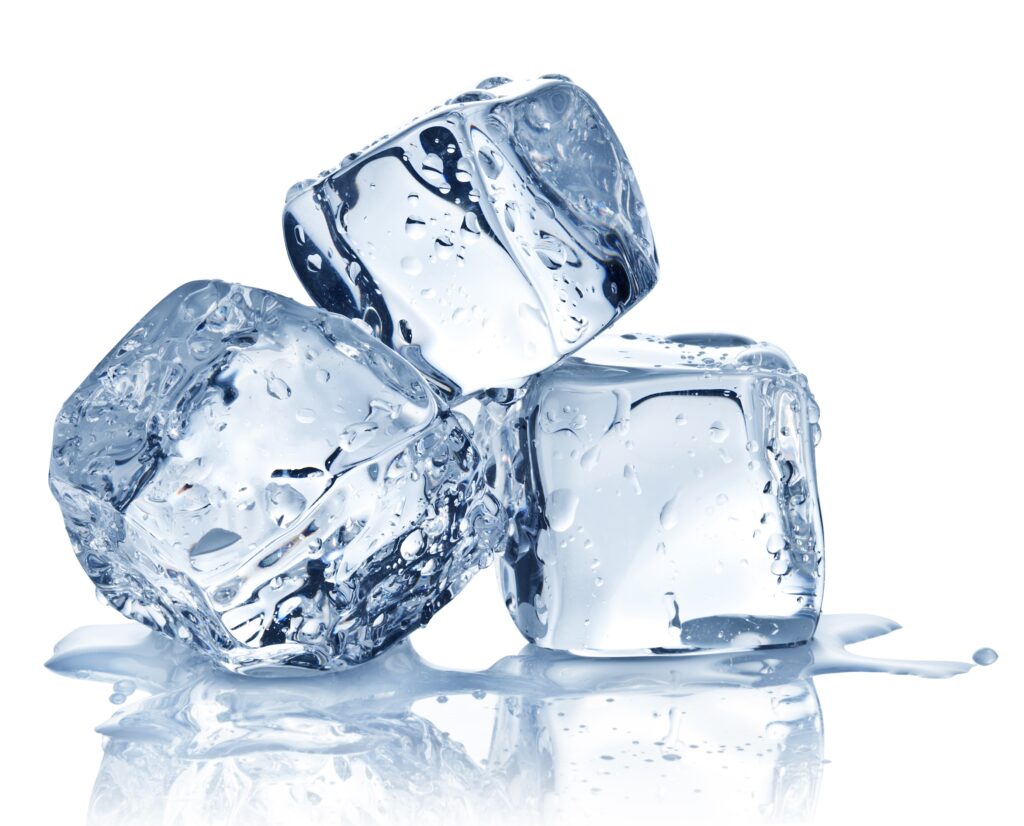
Cold therapy is a method of treatment in which there is application of chill cold below the normal temperature, it can be cold water, ice, chilled cubes wet towels, etc. It is also denoted by Ice therapy and Cryotherapy .
What is Cold Therapy used for?
Ice / Cold therapy may be used to:
- Reduce pain
- Reduce spasticity
- Reduce muscle spasm
- Reduce swelling
- Promote repair
- Provide excitatory stimulus when muscles are inhibited
To change its state, the ice requires consideration of energy (the latent heat of fusion ); to raise 1g of ice at 0 degrees celsius to 1 g of water at 37 degrees Celsius requires 491 J.
Physiological effects and uses.
Circulatory response
Cold therapy applied to an area helps to initiate vasoconstriction in blood vessels .This homeostatic response has the effect of allowing the part to becoming very cold .This s beneficial in the treatment of swelling and tissue damage .
Physiotherapeutic uses of circulatory effect
- The initial vasoconstriction is often used to limit extravasation of blood into the tissues following injury , e.g. sports injuries . Ice therapy is then usually followed by some of compression bandage.
- The vasoconstriction and dilatation affect the capillary blood flow . Consequently an effect is being produced at a very local level which can reduce swelling : excess tissue fluid can be removed from area and returned to systemic circulation.
- Cooled tissues’ reduced metabolic rate allows muscle cooling to contract many more times before fatigue sets in.
Neural response
The rate conduction of nerve fibres in a mixed peripheral nerve is reduced by cooling. The first fibres affected by gradual cooling are the A fibre ( the myelinated group ) . Eventually at very low temperature , the B and then the C fibres ( non – myelinated ) are affected

How to apply Cold therapy?
Cold Therapy is applied in the following ways
- Ice towels
- Ice packs
- Immersion( It is a technique in which the part to be treated is immersed in an ice solution .)
- Excitatory cold
- Ice massage
What are the conditions in which Cold therapy is used?
Trauma
In the case of traumatic pathologies, we will distinguish the osseous, articular, and muscular pathologies; the fracture has general consequences which derive from the immobilization.
Venous Risk
As the cold prevents blood stasis and articular or muscular oedema after the operation. It reduces the post-operative venous risk.
Muscular Atrophy
After a surgical operation on articulation, for example : the knee, the most common complication is the loss of flexibility, possibly accompanied by an inflammatory reaction to the surgical operation .
Over Sprains
Cold therapy helps to prevents pain and inflammation. Such as Ankle sprain.
Tendinitis
If any person is suffering from pain, tenderness, and swelling then cold therapy helps to reduce pain and swelling .
Luxation’s
In the case of luxation, the treatment with cryotherapy will be appreciated for its analgesic and trophic effects.
Tendinopathy
The treatment of several kinds of tendinopathies are done by cold therapy such as :
- Pathogens concerning the tendon itself ( Tenodinities )
- Pathologies concerning the tendon itself with inflammation ( Tendinitis )
- Pathologies concerning the myo–tendinous junction or more often the insertion on the bone ( insertion Tendinopathy
what are danger of Cold therapy ?
- Cardiac conditions: The administration of cold therapy in cardiac patient needs special attention. In patient with a recent myocardial infarction, application of cold may cause further drop in blood pressure and further reduces blood supply of heart. The weak heart may collapse immediately.
- Peripheral nerve injuries: In cases with peripheral nerve injuries, the blood supply of peripheral nerves reduces further and may cause its further damage. Also,the nerve supply of blood vessels is further delayed causing loss of the normal response of its cooling. Thus, in patients with peripheral nerve injuries the application of cold should be avoided.
- Peripheral vascular disease or vasospastic disease: The application of cold should be avoided in cases of peripheral vascular disease, as cold may further reduce an already inadequate blood supply. In cases of vasospastic disease like the Raynaud’s disease, the condition may worsen by application of cold.
- Psychological or cold sensitive: The patients having fear of cold may react adversely. Following application of cold, they start producing histamine like substance causing urticaria with skin rash and itching. The application of cold in.
psychologically apprehensive persons and cold sensitive patients is avoided
Where we cannot use Cold therapy ?
- Psychological
- Cardiac conditions
- Peripheral nerve injuries
- Vasospastic disease
- Peripheral vascular disease
- Cold sensitivity
Recent Article post
Best 25 Heart Healthy Foods to Eat
Best 25 Heart Healthy Foods to Eat Heart disease remains one of the leading health concerns worldwide, but many risk factors can be managed through
Sharp Pain in the Heel of My Foot: Causes and Treatment
Sharp Pain in the Heel of My Foot: Causes and Treatment Pain in the heel of my foot is one of the most common foot
Why my heel hurts when i walk : Possible Reasons and Fixes
Why my heel hurts when i walk : Possible Reasons and Fixes Heel pain can make everyday activities difficult. Many people notice discomfort while getting

8 best pain killers for muscle pain
8 best pain killers for muscle pain Pain is one of the most common health complaints worldwide, and pain killers are often the first solution

Immediate Gout Pain Relief Fast in 24 hours
Immediate Gout Pain Relief Fast in 24 hours Gout is a form of inflammatory arthritis caused by elevated serum uric acid levels, leading to the
5 Effective knee pain exercises at home
5 Effective knee pain exercises at home Knee pain exercises at home are a simple way to reduce pain, ease stiffness in an aching knee,