
what is intermittent fasting ?
-
 Dr.
Arpita Biswas
Dr.
Arpita Biswas
- Dr.Rahul Kr. Jha
- Disclaimer

Table of Contents
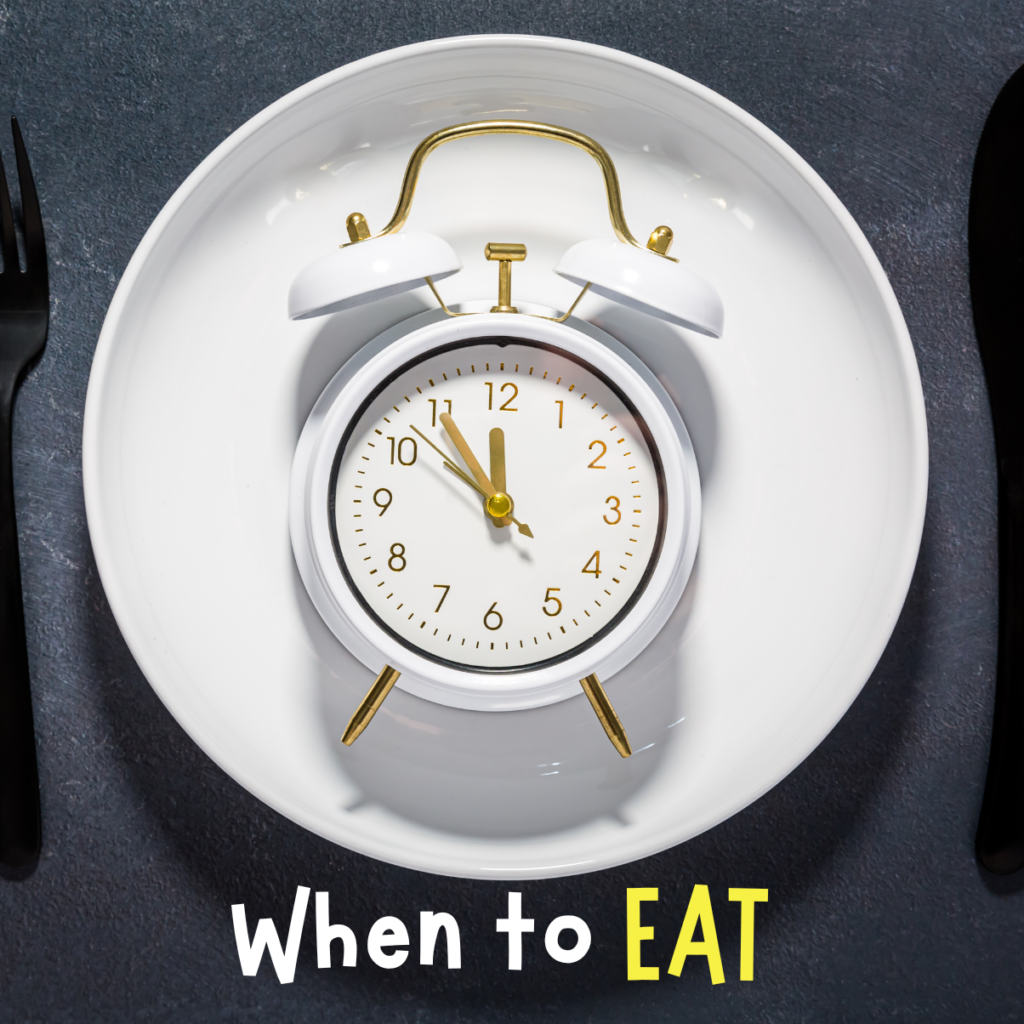
Intermittent fasting (IF) is an eating pattern cycle between periods of fasting and eating. People often think about “What to eat” but intermittent fasting is all about “When to eat”.
It simply means a person eats regularly between fasting periods, for example, fasting for a long time (e.g., 16–48 h) and then eating for a specific period (eg., 8-9 hr).
Mark P. Mattson said that Animals and humans evolved in environments where the availability of food was difficult and we as humans adapted to function highly both physically and cognitively, in a fasted state. So according to him we as humans can fast for several days as it is our adaptive behavior.
In the modern way of eating 3 meals a day, giving our body more food than we are required to. Even 50 years ago, it was easier to maintain a healthy weight. There were no Smartphones, computers, and TV shows turned off at 11 p.m.; people stopped eating because they went to bed early. People work and play more frequently, and do more exercise in their days.
Mattson says. “If someone is eating three meals a day, plus snacks, and they’re not exercising, then every time they eat, they’re running on those calories and not burning their fat stores.”
Now with Smartphones, computers, TV, and 24/7 entertainment availability make people sedentary. This makes children and adults engage in long hours scrolling through social media, playing games, and chatting online.
Extra calories and less physical activity can mean a higher risk of weight gain, obesity, type 2 diabetes, heart disease, and other illnesses. Scientific studies are showing that intermittent fasting may help reverse these conditions.
How this intermittent fasting work on the body?
Body Intermittent fasting (IF) works by changing how you utilize sources and energy. When you fast, several physiological processes improve metabolism and enhance cellular health. Your body uses glucose (carbohydrate) as a primary fuel. When we fast glucose level goes down and our body starts breaking fats to meet energy requirements in the body.
- From Glucose to Fat
- Cellular Repair
- Improves Insulin Sensitivity
- Reduces Inflammation
- The body burns more fat for energy.
- Hormonal Changes- Insulin Levels Drop which lowers the risk of diabetes.


Is intermittent fasting a safe option?
When we start to think about intermittent fasting we assume it might be harmful to the body Let’s discuss how safe it is..
Always before intermittent fasting, you (or any diet) should check in with your primary care practitioner. This type of fasting is not for everyone, people who want weight management, and others use the method to address chronic conditions such as irritable bowel syndrome, high cholesterol or arthritis.
People who should try are
- People who want to lose weight.
- Individuals with Prediabetes
- A person who wants Better Metabolic Health
- If you want to go for dieting
- A person suffering from neurodegenerative diseases (such as Alzheimer’s Disease, Parkinson’s Disease, Multiple Sclerosis, and Huntington’s Disease.
Intermittent fasting has different effects on different people. Talk to your doctor if you start experiencing unusual nausea, anxiety, headaches, or other symptoms.


How to make an Intermittent fasting diet plan?
- The first method is the 16/8 Method (Leangains Protocol) where you can fast for 16 hours and eat within an 8-hour.
- 5:2 Diet is a diet where people eat normally for 5 days a week and restrict calorie intake (600-700 calories) for 2 non-consecutive days.
- An Eat-Stop-Eat method simply means going on fasting for a full 24 hours once or twice a week.
- Alternate-day fasting where a person goes for fasting in alternative between normal eating days.
- The Warrior Diet is when you eat some raw fruits /vegetables in the day and eat a large meal at night.
What to eat during Intermittent fasting (IF)?
High-Protein Foods
Some animal-based food Chicken breast, Eggs, Lean beef, Fish, Cottage cheese, Greek yogurt, Turkey and Shrimp & seafood and plant-based food Lentils, Chickpeas, Black beans/kidney beans, Tofu, Chia seeds, Almonds and Peanuts.
Healthy Fats
Some healthy fat options such as Avocados, Nuts (almonds, cashews, peanuts, macadamia nuts), Seeds (pumpkin, sesame, sunflower seeds), Fatty fish (salmon, sardines, mackerel, tuna, trout), Walnuts (highest Omega-3 content among nuts), Dark chocolate (70%+ cacao) and Grass-fed butter & ghee.
Fiber-Rich Foods
Broccoli, Carrots, Spinach, Cauliflower, Raspberries, Blackberries, Pears, Oranges, Bananas, Oats, Brown rice, Whole wheat bread, Barley, Lentils, Chickpeas, Kidney beans, Chia seeds
Flaxseeds, Almonds, Walnuts, and Pumpkin seeds.
Drink plenty of water to aid digestion as it increases the fiber intake. Eat fruits then juices and add oats to your daily diet plan
Complex Carbohydrates
All types of whole grains, Legumes, and fiber-rich fruits are complex types of carbohydrates.
Hydration
Eating fluids helps to prevent hydration and supports fasting. Best Fluid options are Water (best choice, drink plenty), Herbal teas (green tea, chamomile, peppermint), Black coffee (without sugar or cream), and Coconut water (for electrolytes, in moderation).


What Foods to Avoid During Intermittent Fasting?
After knowing what intermittent fasting is remember to avoid food like;
- Processed foods (chips, cookies, fast food)
- Sugary drinks (sodas, fruit juices)
- Excess refined carbs (white bread, pastries)
- Fried and heavily processed foods
- Alcohol (can dehydrate and disrupt fasting benefits)