


Congenital heart diseases

Table of Contents

Definition 

Congenital heart disease can be result of defects in the formation of the heart or great vessels or can arise because anatomical changes that occur during transition between fetus and the newborn child fail to proceed normally.

Pathophysiology

 In the fetus there is little blood flow through the lungs, which are collapsed because they are not required for gas exchange. Instead, oxygenated blood from the placenta passes directly from the right atrium to the left side of the heart through the foramen ovule without having to flow through the lungs, and also from the pulmonary artery into the aorta via the ductus arteriosus .

During early embryonic life, the heart develops as a single tube that folds back on itself and then divides into two separate circulations. Failure of septation can cause some forms of atrial and ventricular septal defect, whereas failure of alignment of the great vessels with the ventricles contributes to transposition of the great arteries, tetralogy of Fallot and truncus arteriosus. Atrial septal defects occur because foramen ovale fails to close at birth, as is normal. Similarly, a persistent ductus arteriosus will remain persistent if it fails to close after birth. Failure of the aorta to develop at the point of aortic isthmus and where the ductus arteriosus attaches can lead to coarctation of the aorta.

Causes of congenital heart disease.

Clinical features of congenital heart disease.

In congenital heart disease  , Symptoms may be absent, or the child may be breathless or fail to attain normal growth and development. Murmurs, thrills or signs of cardiomegaly may be present. Features of other congenital heart conditions, such as Marfan’s syndrome or Down’s syndrome, may also be apparent. Cerebrovascular events and cerebral abscesses may complicate severe cyanotic congenital heart  disease.

  •  
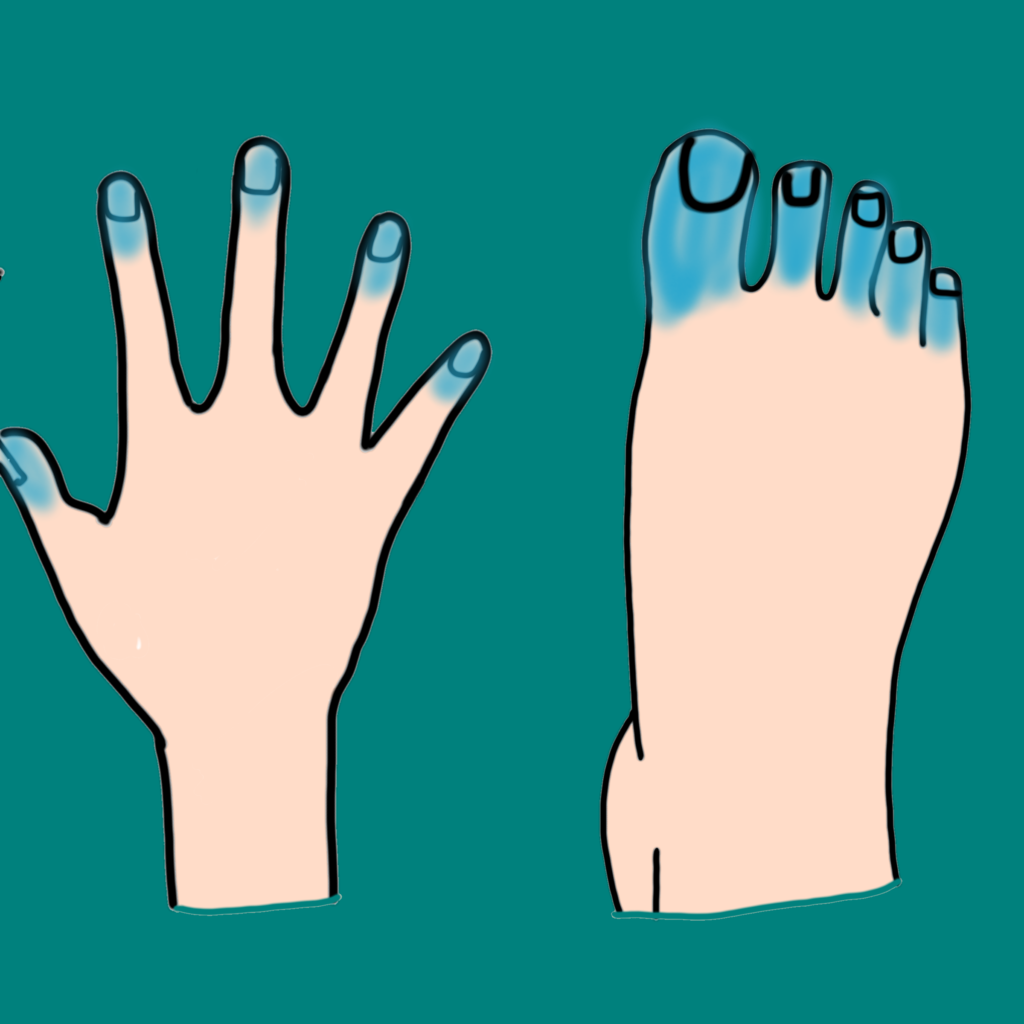
peripheral cyanosis
peripheral cyanosis
    • Central cyanosis

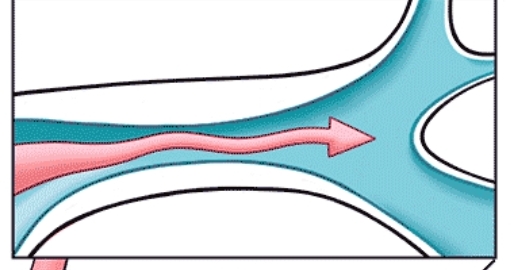
Central cyanosis of cardiac origin occurs when desaturated blood enters the systemic circulation without passing through the lungs (right-to-left shunting).In older children, cyanosis is usually the consequence of a ventricular septal defect combined with severe pulmonary stenosis (as in tetralogy of Fallot) or with pulmonary vascular disease (Eisenmenger’s syndrome). Prolonged cyanosis is associated with finger and toe clubbing

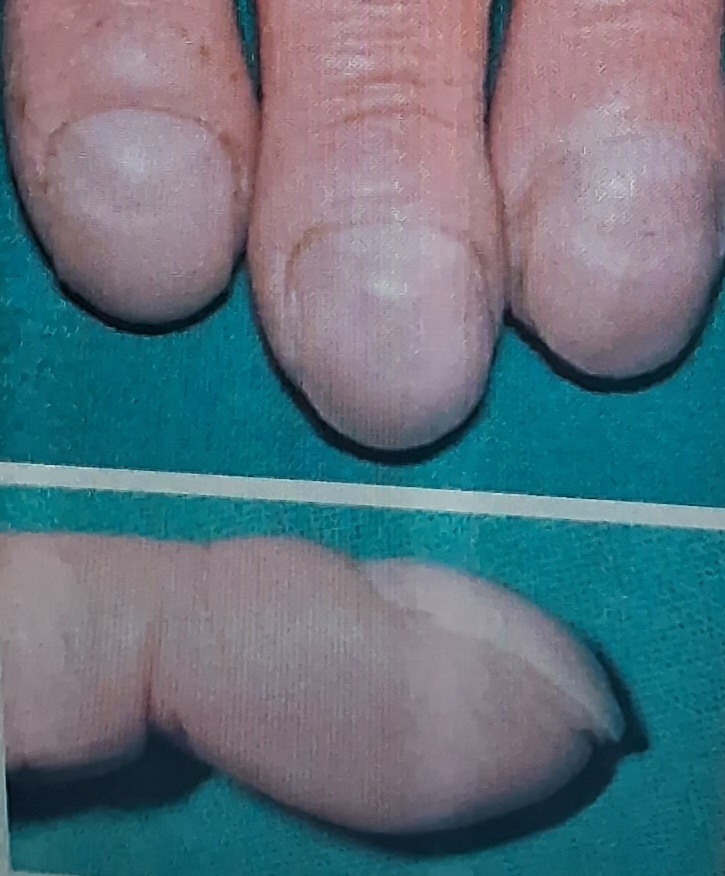
Clubbing of nails : congenital heart disease
Finger clubbing
  • Clubbing 

Finger clubbing describes painless swelling of soft tissues of the terminals phalanges ,causing increased longitudinal and lateral convexity of nails. Prolonged cyanosis is associated with finger and toe clubbing. 

Growth retardation
Mental retarded child
  • Growth retardation

These may occur with the large left-to-right shunts at ventricular or great arterial level, and also with other defects, especially if they form part of a genetic syndrome.

Synosis
Syncope
  • Syncope

In the presence of increased pulmonary vascular resistance or severe left or right ventricular outflow obstruction, exercise may provoke syncope as systemic vascular resistance falls but pulmonary vascular resistance rises, worsening right-to-left shunting and cerebral oxygenation. Syncope can also occur because of associated arrhythmias.

Pulmonary hypertension
Narrowing of pulmonary vessels
  • Pulmonary hypertension

Persistently raised pulmonary flow with a left-to-right shunt causes increased pulmonary vascular resistance followed by pulmonary hypertension.

  • Eisenmenger’s syndrome

In patients with severe and prolonged pulmonary hypertension the left-to-right shunt may reverse, resulting in right-to-left shunt and marked cyanosis. This is termed Eisenmenger’s syndrome. Eisenmenger’s syndrome is more common with large ventricular septal defects or persistent ductus arteriosus than with atrial septal defects.

  • Congenital heart disease in pregnancy

During pregnancy, there is a 50% increase in plasma volume, a 40% increase in whole blood volume and a similar increase in cardiac output, so problem may arise in women with congenital heart disease.

How is congenital heart disease divided?

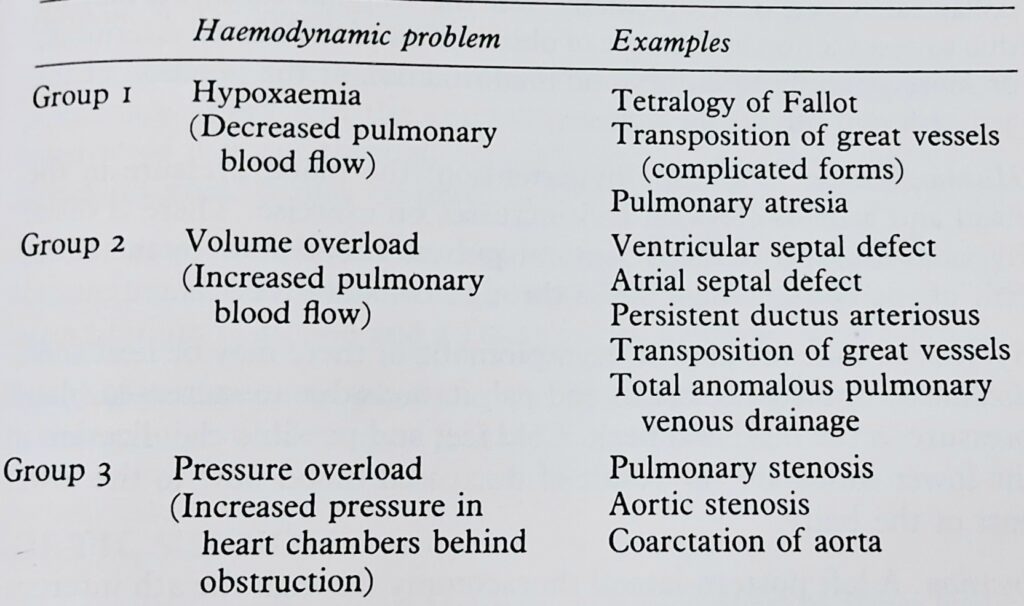
congenital heart disease are divided into three main physiological groups:


congenital heart disease are divided into three main physiological groups: